

Tiny Bedroom Design 2026 | Warm and Smart Ideas for Small Rooms
Tiny bedroom layouts are changing quickly. Tiny bedroom design ideas for small spaces are now more practical, better looking, and made for real people. In this guide, I share how tiny bedroom design meets space saving needs, cozy living, simple apartment life, and daily use. Many people ask if a 3×3 bedroom can feel comfortable, stylish, and useful for couples, kids, or men living alone. I answer these questions using hands on design experience and modern interior thinking.
1. Tiny Bedroom Design Explained for Today’s Small Homes
I see tiny bedroom design as a direct answer to how people live in cities now. The goal is to create compact layouts that support sleep, work, and storage without making the room feel heavy. Balance comes from clean shapes, soft colors like light green or gentle pink accents, and smart movement planning so the room feels open even with a double bed or a small desk.

When it comes to furniture, I focus on low height beds. This includes single beds or double beds with hidden drawers. Wall mounted nightstands and built in lights save space and keep things tidy. In many of my designs, I place a small desk near the window so working from home feels easy without losing comfort. Wardrobes are planned carefully. I prefer full height storage that looks light and does not crowd the room.
From my experience, a bedroom should support relaxation and mental calm. I focus on keeping the visual space clear with simple, uncluttered layouts. I limit the number of materials and repeat similar textures throughout the room, which helps create a space that feels peaceful and easy to live in.
What I would add more often in these bedrooms is flexible lighting. A mix of ceiling lights, bedside lamps, and soft background lights is still missing in many tiny bedrooms. This should be normal by 2026.
2. Tiny Bedroom Design Trends Shaping Interiors
Tiny bedroom design trends focus on flexibility and emotional comfort. I design bedrooms that can easily switch between day and night use, especially in simple apartments. Space saving is no longer just about fitting furniture. It is about smooth daily movement and fewer small frustrations.

Furniture trends include beds that can change shape, desks that fold away, and wardrobes with sliding doors. I usually start with calm base colors and add character using fabrics, artwork, or plants. Bunk beds for kids and boys are now more refined. They offer privacy and safety without looking bulky.
From a practical design perspective, many professionals now focus on how people actually use a space rather than just its size. I believe small bedrooms should feel intentional, not restricted. When you plan around daily habits and movement, even a compact room can feel efficient and comfortable. I apply this approach in every small bedroom design by focusing on smart, space saving solutions that improve how the room functions.
To improve this trend even more, I would include sound control solutions. Soft wall panels or padded headboards can greatly improve comfort, especially in apartments with thin walls.
3. Tiny Bedroom Design Ideas That Work in Small Spaces
When I work on tiny bedroom design ideas for small spaces, I always begin with zoning. Even in a 3×3 room, separating sleep, storage, and work areas makes a big difference. Cozy layouts depend on balance and clear focus points like a centered bed or a window view.

I often suggest a single bed for narrow rooms or a small double bed for couples. Storage benches, floating shelves, and drawers under the bed help keep the room clean. The wardrobe should be slim but tall so it uses vertical space without making the room feel crowded.
From my own experience, small bedrooms work best when nothing feels random. Popular design advice often says it is better to remove items instead of adding more. I regularly take out things that are not needed so the room can feel open and intentional.
One thing that is often missing is proper walking space. I always plan at least one clear path around the bed to avoid a tight and uncomfortable feeling.
4. Tiny Bedroom Design Ideas for Small Apartments
In small apartments, tiny bedroom design must connect well with the rest of the home. I design bedrooms that visually flow into nearby spaces using the same colors and materials. This helps the room feel larger and more connected.
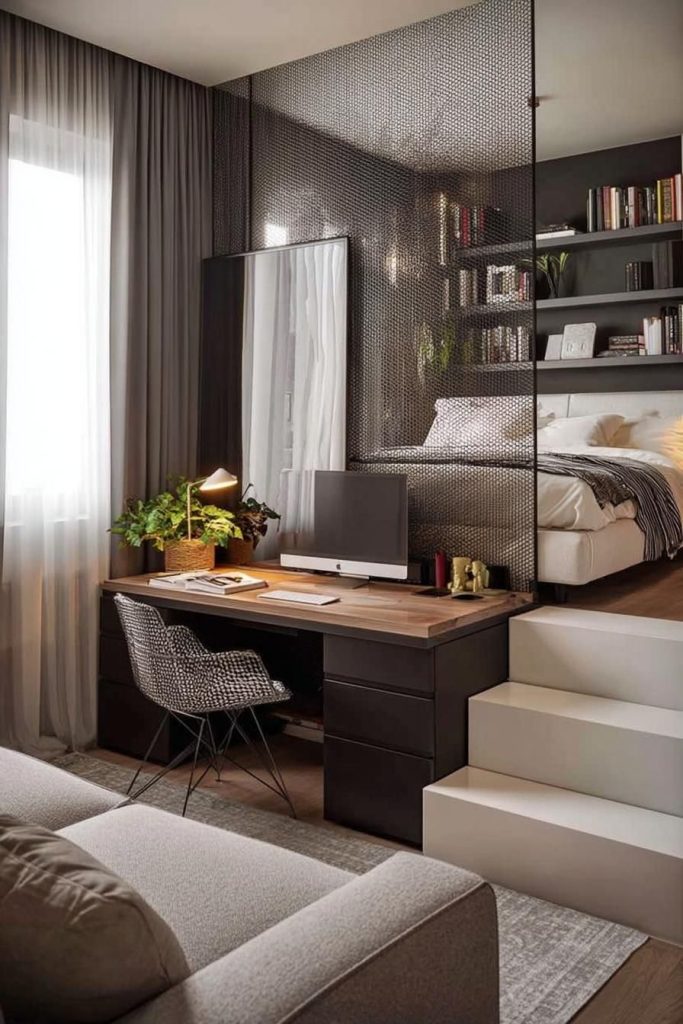
Furniture choices usually include wardrobes with mirror fronts, wall mounted desks, and beds with built in storage. I often use soft green shades or neutral colors to support relaxation while keeping the look modern and clean.
From my experience, I avoid heavy visual barriers in apartment bedrooms. I prefer light curtains or open shelving instead of solid partitions whenever possible. This keeps the space feeling open, improves light flow, and makes the room feel larger without losing function.
To make these bedrooms even better, I would include hidden charging points and smart controls. These features are still ignored but are very important for modern daily life.
5. Space Saving Tiny Bedroom Design Ideas
Tiny bedroom design space saving ideas focus on change and flexibility. Rooms adjust using sliding panels, fold down beds, and furniture with more than one purpose. I design layouts where every item serves at least two functions.

Common features include beds combined with wardrobes, desks that fold into the wall, and raised platforms with storage. These ideas work very well for men, couples, or two people sharing a small apartment.
I personally like how these designs lower stress. I always explain that clutter increases tiredness, and space saving design helps clear the mind. I see this again and again in feedback from people who live in these rooms.
What I would improve is user guidance. Many space saving systems are not fully used because people do not know how all features work.
6. Small Bedroom Design with Cozy Comfort Ideas
A cozy small bedroom design is all about touch, light, and balance. I plan these rooms to feel calm and inviting even when space is tight. Soft fabrics, layered blankets, and gentle color changes help create a relaxing feeling.
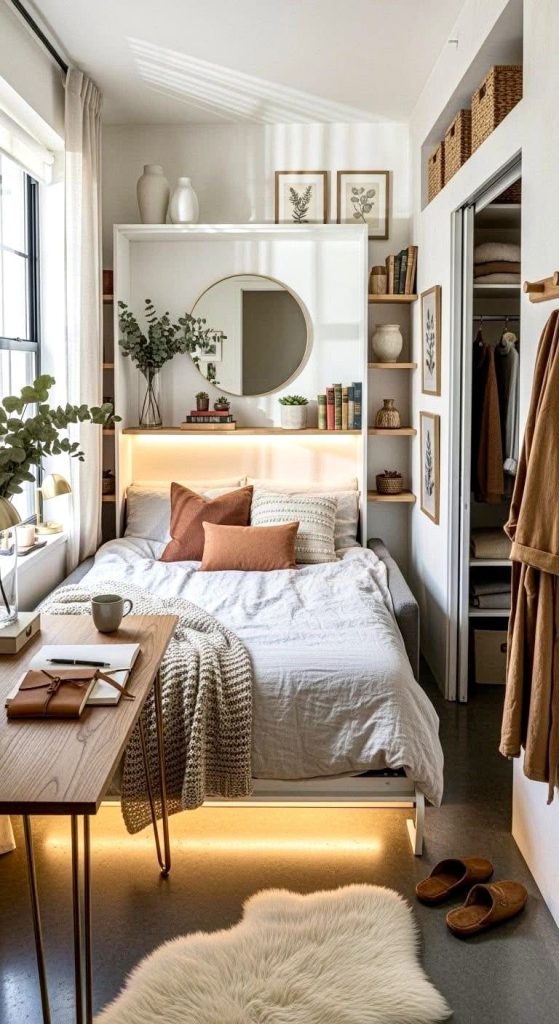
The furniture usually includes a padded bed, soft floor rugs, and sometimes a small chair if there is room. I always use warm bedside lamps and stay away from strong ceiling lights because they ruin the cozy mood.
From my experience, coziness comes from how a space feels rather than its size. I have seen that small bedrooms can feel even more comfortable than larger ones when they are planned thoughtfully and arranged with care.
One thing that is often ignored is smell and noise. I suggest using light room scents and sound absorbing materials to make the space feel calm in every way.
7. Minimalist Small Bedroom Style for Apartments
A minimalist small bedroom focuses on simplicity and control. I design these rooms using very few colors like white, soft beige, or calm green. Furniture placement is done with purpose and nothing extra is added.

The furniture list stays simple. I usually choose a low bed, a clean wardrobe, and a basic desk. Every piece must be useful. Storage stays hidden and surfaces remain neat.
From my own experience, minimalist rooms only feel right when the materials are comfortable and well chosen. Minimal spaces can easily fall flat if everything looks or feels low quality. I prefer using fewer items but choosing better materials, so the room still feels warm and intentional rather than empty.
What I always suggest adding is a personal touch. Minimalist does not mean cold. A small artwork or soft fabric can add warmth without making the room messy.
8. Small Bedroom Design Ideas for Couples
When I design a small bedroom for couples, my main goal is balance and shared comfort. The room must work for two people without feeling tight. I usually place the bed in the center so both partners have equal space, which makes daily use easier.

Furniture is chosen very carefully. I use a compact double bed with storage, slim shelves instead of large side tables, and place the wardrobe along one wall to keep walking space open. Lighting is layered so each person can control their own side, which improves comfort.
From my experience, couples feel more comfortable when each person has a small personal zone within a shared bedroom. When I design or update a space, I create these subtle distinctions through separate bedside lighting, slight color differences, or divided storage within the same wardrobe. These small details give each person a sense of their own space while still keeping the room balanced and cohesive.
What I often notice missing is flexible seating. I would add a small bench or a folding chair to make the room more useful without losing space.
9. Smart Small Bedroom Layouts for Two People
Designing a small bedroom for two people requires careful planning and exact measurements. I focus on clear walking paths and open views, especially in narrow rooms. Even a tiny bedroom can feel calm when furniture follows natural movement.

I usually suggest furniture that serves more than one purpose. Beds with drawers, wall mounted desks, and wardrobes with internal organizers work best. These help two people store items without making the room feel crowded. Soft neutral colors keep the look clean.
In my view, good layouts matter more than decoration. Many design professionals say layout is the most important part of small spaces, and I see this proven again and again in real homes.
To make these rooms even better, I would add adjustable furniture that can change as the needs of two people grow or shift.
10. Small Bedroom Design with Built-In Wardrobes
A small bedroom with integrated wardrobes is one of the best ways to save space. I design wardrobes as part of the room itself, not as extra furniture. They often surround the bed or reach the ceiling to use every inch.

These wardrobes usually have sliding doors, inside lighting, and different storage sections. I mix hanging areas, drawers, and open shelves so everything has its own place. This keeps the bedroom tidy and easy to use.
Built-in storage works best in small bedrooms because it keeps everything organized without taking up extra space. I prefer this approach since it reduces clutter and makes daily routines much easier to manage.
One thing often forgotten is air flow inside wardrobes. I always suggest adding ventilation so clothes stay fresh in small spaces.
11. Practical Small Space Ideas That Improve Daily Use
Small space ideas work best when function comes first. In tiny bedrooms, I think about how the room is used from morning to night. This approach helps turn a small area into a comfortable personal space.

Furniture choices include wall mounted nightstands, small desks, and beds with storage. I often install shelves above the headboard to use vertical space without filling the floor. These small space apartment ideas fit modern living well.
Personally, I believe comfort comes from good function. I say rooms feel bigger when they work well, and I always receive positive feedback when function is the priority.
To make these ideas even better, I would add more modular items that can be moved or adjusted as needs change.
12. Smart Tiny Bedroom Layouts Using Multi-Purpose Furniture
A smart tiny bedroom setup depends a lot on furniture that serves more than one job. When I design small rooms, I prefer pieces that replace two or even three separate items. This helps reduce both visual mess and physical crowding.

For small bedrooms , the focus is on comfort and saving space at the same time. I usually work with items like beds that include a desk, ottomans with hidden storage, or wardrobes that also act as shelving. These ideas work especially well in minimalist apartments and help the room stay neat even when space is very limited.
Based on my hands-on experience, I focus on buying fewer pieces but choosing them carefully. I follow this approach because multifunctional furniture makes daily life easier and keeps the space more organized.
One thing I often feel is missing is ease of use. Furniture should open, fold, or transform smoothly without effort or complicated steps.
13. Minimalist Bedroom Ideas for Very Small Spaces
Minimalist bedroom ideas for small spaces are all about calm and simplicity. When I design these rooms, I stick to a small color range and a clear visual order. Every item has a reason to be there and a fixed spot.

For small bedrooms, this clean and space-saving approach works very well. Furniture stays basic, usually just a bed, a small wardrobe, and sometimes a compact desk. I avoid extra decor and instead use light and textures to add interest. This keeps the space looking tidy and balanced.
From what I have seen, minimalist bedrooms feel best when natural materials are used. Many professionals suggest this to prevent the room from feeling cold, and I agree completely.
What I often add to improve these rooms is softness. Curtains, layered bedding, or soft fabrics help balance the strict minimalist layout.
14. Cozy Tiny Bedroom Ideas That Feel Calm and Relaxing
Cozy tiny bedroom ideas focus on how the space makes you feel. I design these rooms to feel safe, warm, and relaxing, even when the size is small. Soft colors, warm lighting, and gentle contrast help create a welcoming mood.
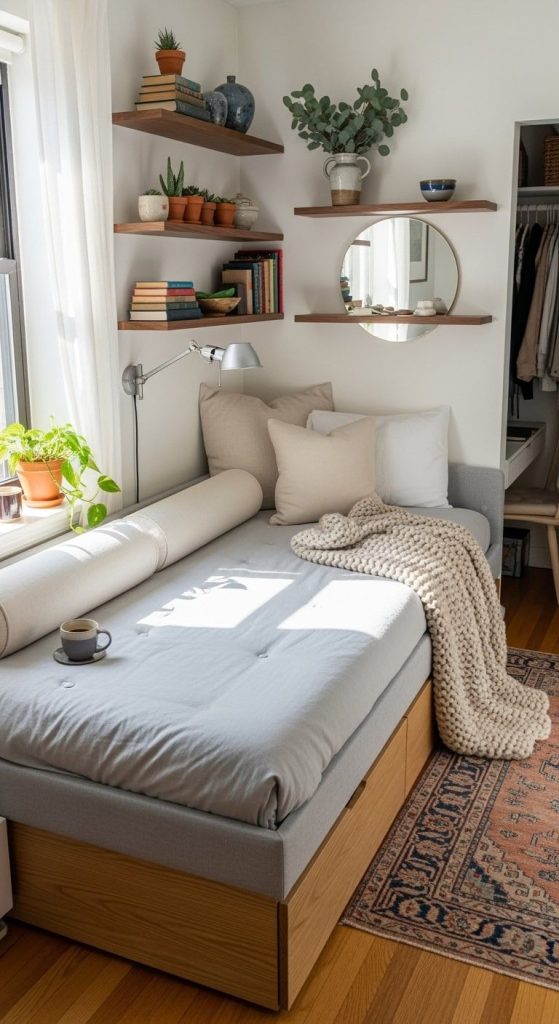
For small bedrooms, I usually choose an upholstered bed, layered blankets, and soft rugs. I like to add pink or green accents for warmth and character. Lighting is always soft and indirect to support rest and comfort.
From my experience, well designed cozy bedrooms often feel more relaxing than larger rooms. I have found that comfort comes from a balanced use of light, texture, and layout rather than the size of the space.
One thing I would add more often is personal meaning in decor. Small photo frames or special objects can make the room feel more personal without making it messy.
15. Modern Bedroom Ideas for Small Apartments
When working on small apartment bedrooms, I focus on clean layouts, smooth light flow, and smart zones. In 2026, modern tiny bedroom designs are about balance and clarity, helping even very small rooms feel open. I usually use neutral colors, soft green touches, and well-planned lighting to make the room look larger while keeping it cozy.

In this kind of minimalist apartment bedroom, I often include a low-profile single or double bed, built-in storage, and wall-mounted lights. A wardrobe built into the wall helps keep the space-saving idea strong. Furniture with slim legs allows the floor to feel more open, which is very important in minimalist small-space interiors.
Modern apartment bedrooms work best when every item has a clear purpose. From my experience, keeping things simple makes daily living more comfortable. I always choose calm, uncluttered layouts over heavy decoration, which helps even a small bedroom feel restful and practical for city living.
One detail that is often missing is layered lighting. I strongly suggest adding soft LED lights behind the headboard or along the ceiling edge to add depth without taking up space.
16. Tiny Bedroom Designs with a Double Bed in Small Rooms
Designing a small bedroom for two people with a double bed needs careful planning. I focus on balance and easy movement so both people can move around comfortably. In 2026, smart space-saving ideas make it possible to fit a double bed even in narrow rooms without losing comfort.
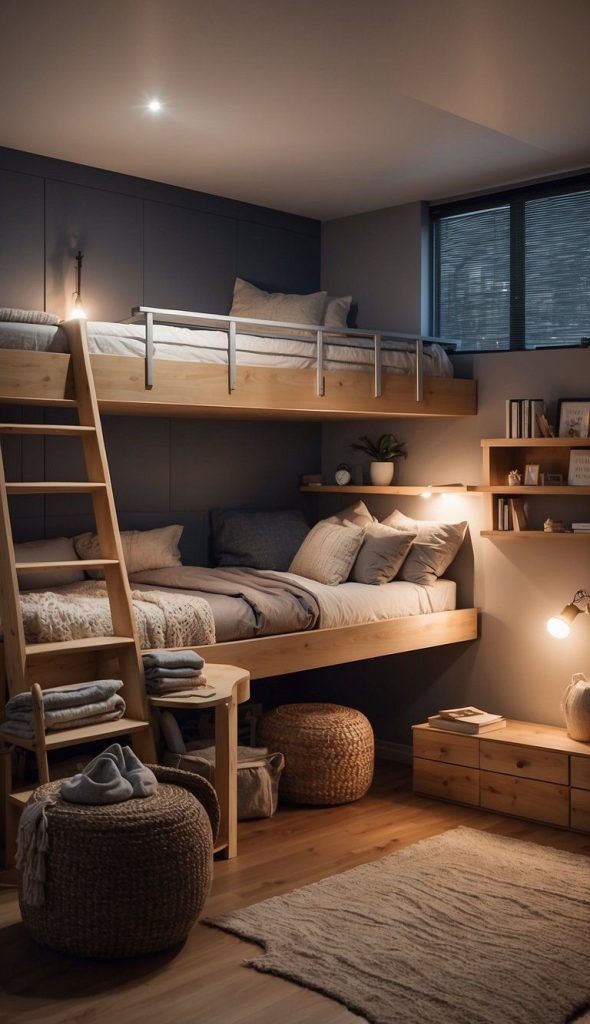
I usually choose a double bed with built-in drawers or a lift-up base. Sliding-door wardrobes work better than standard doors. Wall-mounted nightstands replace bulky tables, and soft neutral colors help the room feel open. This setup works very well for couples sharing a small bedroom.
In my experience, couples feel better when the space looks balanced on both sides. Many professionals highlight symmetry in shared bedrooms, and I have seen how it reduces visual stress. A well-planned small bedroom for couples can feel close and comfortable, not cramped.
To improve this type of layout, I suggest adding sound-absorbing fabrics like padded headboards or thick curtains. These details increase comfort when two people share a small space.
17. Warm and Cozy Bedroom Ideas for Small Spaces
When I design cozy bedrooms for small spaces, warmth becomes the main focus. In 2026, cozy tiny bedroom interiors use texture, soft lighting, and natural colors to create emotional comfort. Even the smallest room can feel inviting when the design supports relaxation.
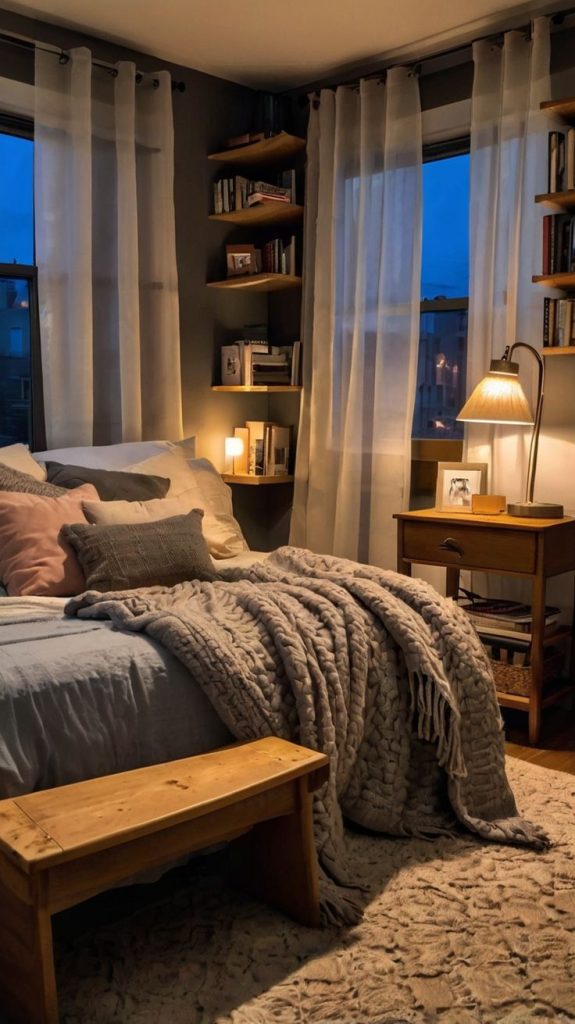
I usually include layered bedding, warm wood tones, and soft rugs. A single bed or compact double bed works well, combined with gentle lighting instead of strong ceiling lights. Pink or green accents add charm without overpowering the space, especially in apartments.
From my experience, coziness matters most at night. I pay close attention to lighting because a warm glow can make a big difference in how the room feels and how well you rest. Even in a small bedroom, the right warm lighting can create a calm and peaceful personal space.
One extra improvement I recommend is scent and sound control. Small bedrooms benefit a lot from light fragrances and soft materials that reduce noise.
18. Small Bedroom Layouts with a Desk for Work and Rest
Small bedroom designs with a desk have become more important because working from home is still common in 2026. When I design these rooms, I make sure there is a clear difference between the sleeping area and the work area, even in a very small space. This balance matters a lot in small apartment layouts.
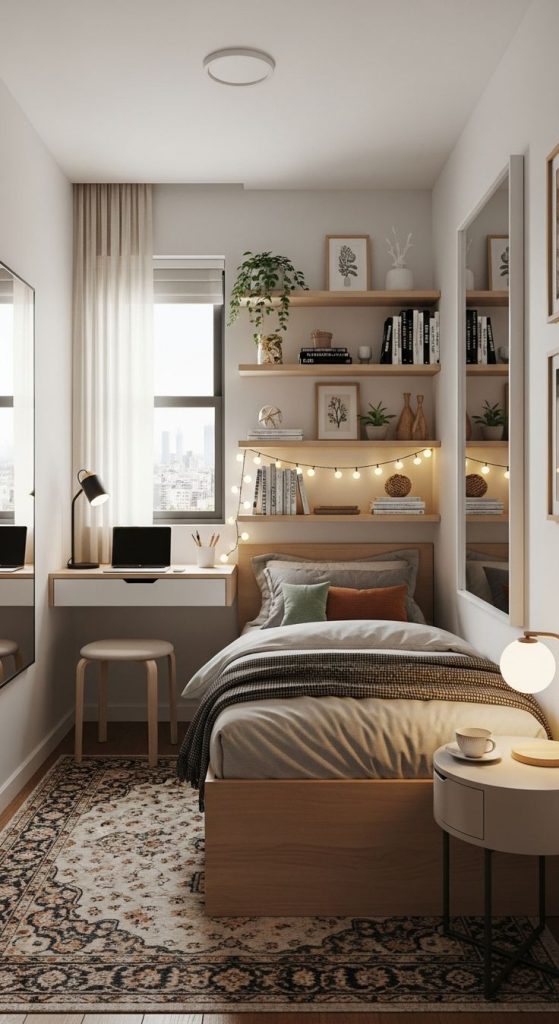
For small bedrooms in 2026, I usually place a compact desk near a window if possible. I choose wall shelves instead of floor cabinets to save space. A single bed or a slim double bed keeps the room flexible. Storage above the desk helps with organization, and neutral colors make it easier to stay focused.
From what I have seen, people work better when the desk does not visually take over the bedroom. I suggest creating visual separation, idea. A small rug or a slight wall color change can define zones without building walls.
To make this setup even better, I recommend adjustable task lights and proper cable management so the room stays clean and calm.
19. Master Bedroom Ideas for Small-Sized Rooms
A small master bedroom design focuses on comfort and elegance, even when space is limited. I plan these rooms to feel thoughtful and complete, not like a compromise. In 2026, small master bedrooms focus more on quality items rather than too many pieces.
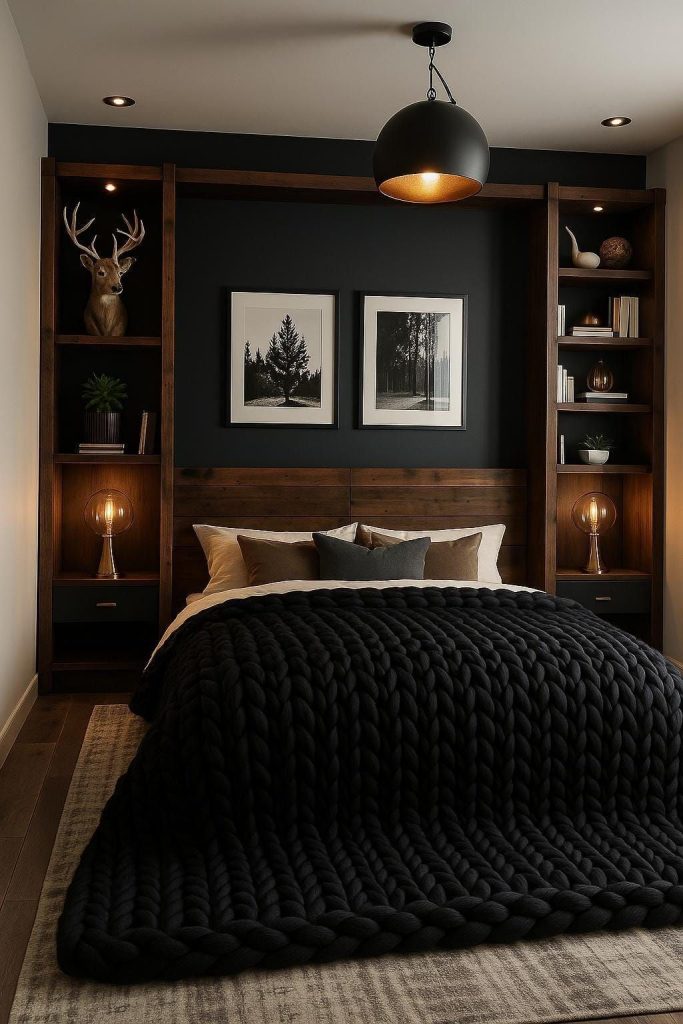
I usually include a comfortable double bed, a simple wardrobe, and minimal bedside storage. Soft fabrics, calm neutral colors, and light decorative details lift the overall feel. Even with fewer items, the bedroom feels balanced and relaxing.
From my experience, a master bedroom should support mental peace. I have seen how clutter can disrupt rest, while a clean and simple layout makes daily life more comfortable. Even a small master bedroom can feel refined and restful when everything is well organized.
If space allows, I would add a small seating piece, like a narrow bench at the foot of the bed, to increase comfort without crowding the room.
20. Tiny Bedroom Ideas for Kids in Small Rooms
Designing a tiny bedroom for children requires flexibility and safety. I focus on layouts that can change as the child grows while still saving space. In small rooms, every choice must support play, sleep, and storage together.
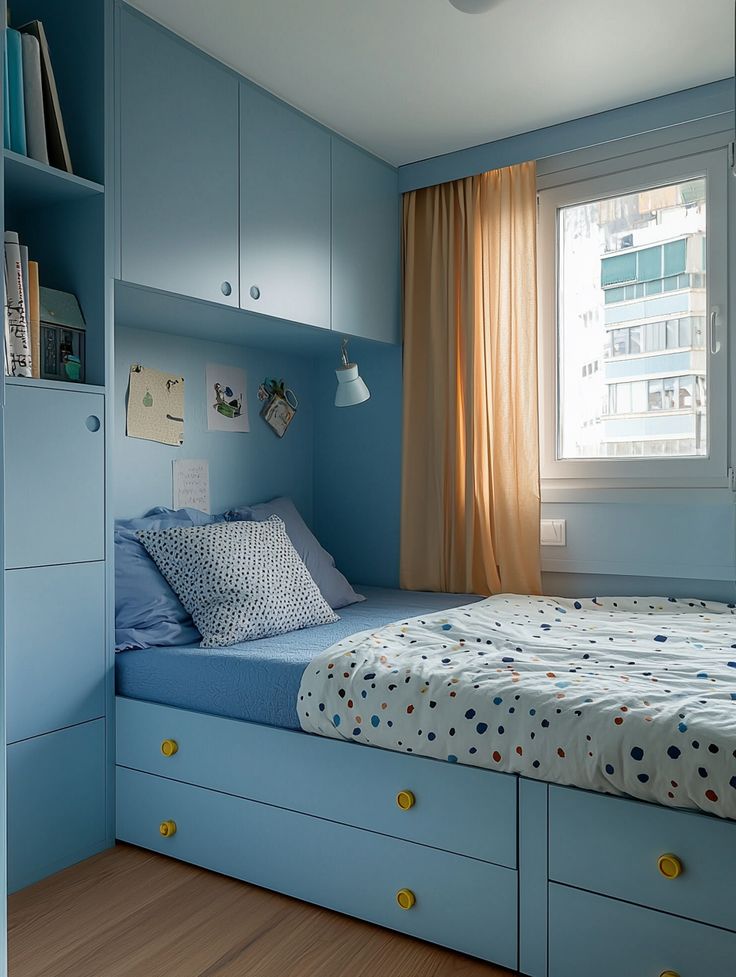
I often use bunk beds or loft beds, especially for boys or shared bedrooms. Built-in desks, storage steps, and soft color choices like green or pink make the space useful and cheerful. Safety rails and smooth edges are always a priority.
From my experience, children enjoy rooms that feel personal to them. I involve them in small choices like colors or simple decor, which helps them feel more comfortable in their space. It also encourages a sense of responsibility and connection to their room.
To improve these designs, I recommend modular furniture that can be adjusted or rearranged as the child grows.
21. Small Bedroom Designs with an Attached Bathroom
Small bedroom designs with an attached bathroom are becoming very popular in studio apartments and compact homes. I design these layouts to protect privacy while keeping the space open. Smart zoning makes this possible even in very small homes.

I usually separate the bathroom using glass panels or sliding doors. The bedroom area includes a single or double bed, a compact wardrobe, and simple decor. Materials that resist moisture and good ventilation are very important in this type of layout.
These designs work best when both areas share a consistent visual style. In my experience, keeping that continuity between the bedroom and bathroom makes the space feel more connected, balanced, and visually calm.
One thing often missing is enough bathroom storage. I suggest adding built-in shelves or mirrored cabinets to solve this problem.
22. Planning Ideas for a 3×3 Tiny Bedroom
When I design a 3×3 bedroom, careful planning becomes essential. Tiny bedrooms of this size need clear zoning so movement, storage, and sleep all work together smoothly. In 2026, I rely on vertical storage and simple visuals to make a 3×3 room feel comfortable instead of tight.
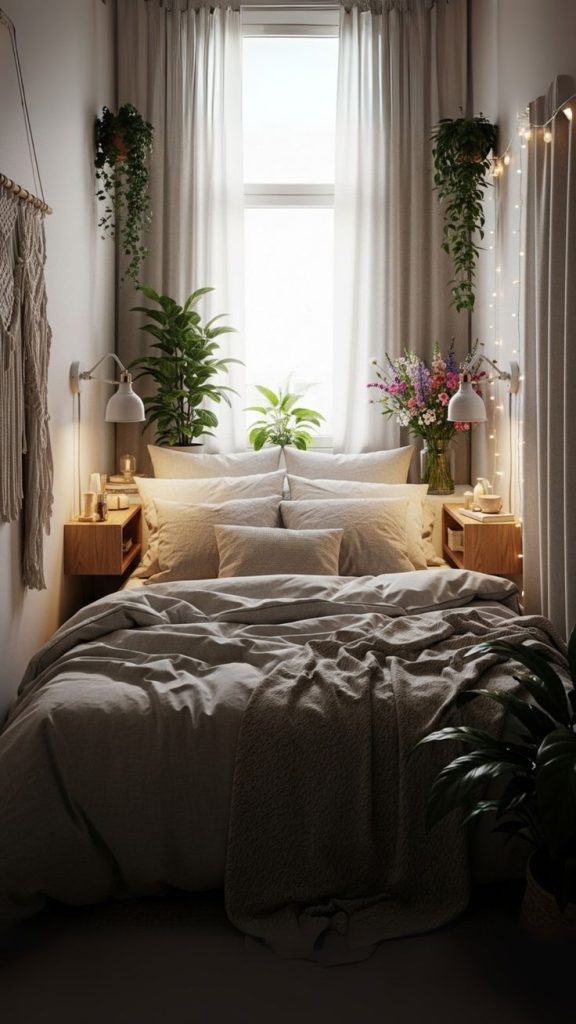
I usually choose a single bed or a compact double bed placed against one wall. A built-in wardrobe that reaches the ceiling helps maximize storage. Wall shelves replace bedside tables, and sliding doors keep walkways clear. Light wall colors and reflective finishes help brighten the room and add depth.
3×3 bedrooms only work well when furniture size is kept under control. I talk about correct scale, . The right proportions decide whether a room feels calm or stressful.
One extra improvement I suggest is using the same flooring as the nearby area. This visually extends the room and reduces the boxed-in feeling.
23. Aesthetic Small Bedroom Design Ideas
Aesthetic small bedroom trends for 2026 focus on soft visuals, gentle shapes, and quiet personality. I design these rooms to look styled but still lived-in, blending comfort with clarity. Minimalist ideas play a big role in achieving this balance.

I often use low beds, hidden storage, soft fabrics, and warm neutral colors with small touches of green or pink. Decorative items are few but meaningful, such as sculptural lamps or textured wall panels. Every element has both a visual and practical purpose.
From my experience, good design should never come at the cost of comfort. I keep decor limited and intentional so the space does not feel overwhelming. A small bedroom can still feel expressive while remaining calm and peaceful.
To enhance this style, I recommend using touch-friendly materials like linen or boucle. These add depth and warmth without making the room feel crowded.
24. Small Bedroom Layouts with Bunk Beds for Maximum Space Use
Small bedroom designs with bunk beds are some of the most effective space-saving solutions I use. These layouts work especially well for children or shared rooms where open floor space is important. In 2026, bunk beds are no longer simple frames. They are designed as complete systems with multiple functions.
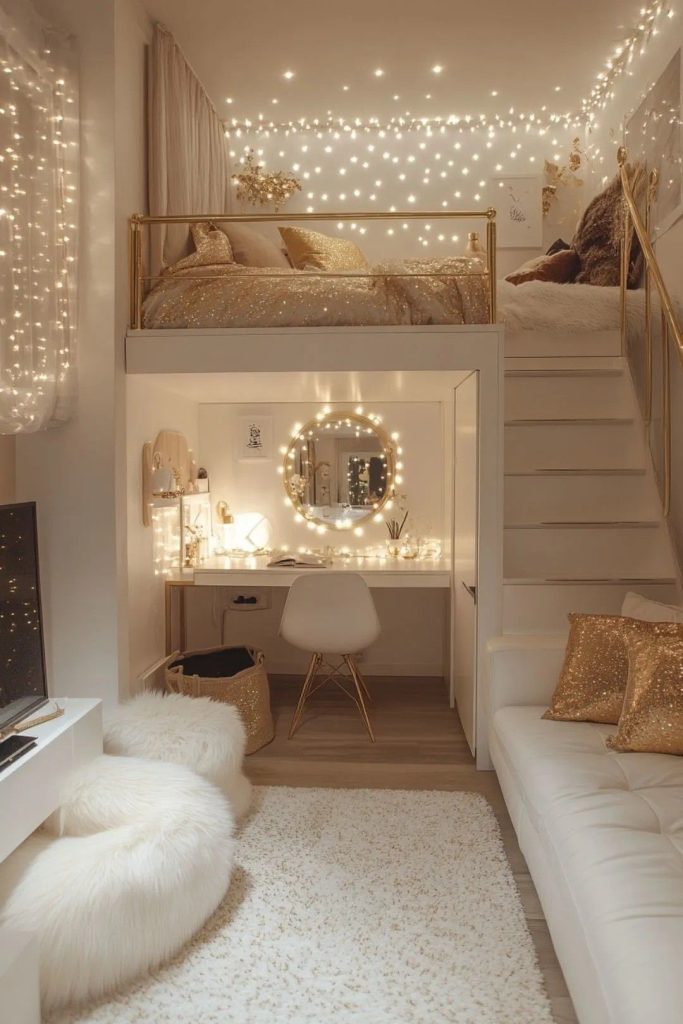
I often choose bunk beds that include built-in storage, desks, or wardrobes. This removes the need for extra furniture and helps keep the room tidy. Safety details, good lighting, and neutral colors make the space feel modern instead of childish.
From my professional experience, bunk beds work best when they are custom built. I have seen that built in solutions make better use of space than standard modular pieces, especially in very small rooms.
One thing that is often missing is proper lighting for each bunk. I always suggest separate reading lights for every level to improve comfort and daily use.
25. Small Bedroom Designs for Two People Sharing One Space
Designing a small bedroom for two people requires understanding and balance. Whether the room is for a couple or siblings, it must respect personal space while still feeling unified. In 2026, shared small bedrooms focus on symmetry and clearly divided storage.

For couples, I usually place a double bed. For children, two single beds are arranged carefully. Split wardrobes, shared desks, and calm neutral colors help maintain harmony. Space-saving furniture ensures there is enough room to move comfortably.
In my view, communication is just as important as the layout. Many professionals stress the importance of understanding daily habits during planning, and I agree. A successful shared bedroom reflects how two people actually live together.
To make this layout more flexible, I suggest adding curtains or lightweight screens to allow temporary privacy when needed.
26. Minimal Living Ideas with a Single Bed Bedroom
Small bedroom designs with a single bed are ideal for minimalist living. I design these rooms with freedom of movement and mental clarity in mind. In 2026, minimal living spaces focus more on calm feelings than decoration.
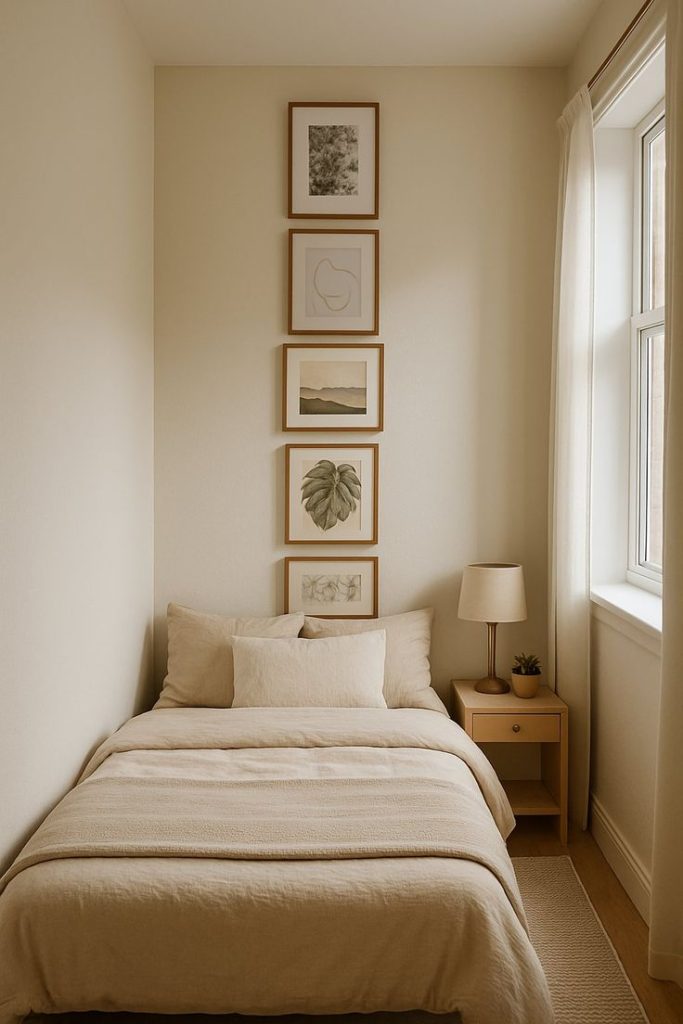
I usually include a slim single bed, a compact wardrobe, and sometimes a small desk. Storage is placed vertically, and decor is kept very simple. Neutral colors dominate, with light green accents to keep the space fresh.
From my experience, these bedrooms are very efficient and easy to live in. I have seen that simple, minimal setups often lead to better sleep and a more relaxed atmosphere, and the feedback from people using them has been consistently positive.
One useful addition could be a multi-purpose seating piece, such as a storage bench, to add flexibility without clutter.
27. Pink Color Ideas for Tiny Bedrooms in Small Rooms
Pink bedroom ideas for small spaces in 2026 move far beyond old stereotypes. I use pink as a soft and refined accent that adds warmth and character to tiny rooms. When used thoughtfully, pink creates a cozy and stylish feel.

I pair pink walls or fabrics with neutral furniture, light wood finishes, and gentle metallic touches. A single bed or compact double bed works well, supported by simple storage solutions. The overall look feels modern and well-balanced.
Pink works best when the shade is muted. I recommend blush or dusty pink tones, and I consistently use these in small bedrooms.
To improve this look, I suggest adding layered textures so the color feels rich and not flat.
28. Modern Tiny Bedroom Ideas Designed for Men
Small bedroom designs for men in 2026 focus on clarity, function, and quiet style. I design these rooms using strong shapes, neutral colors, and very little decoration to support daily routines.
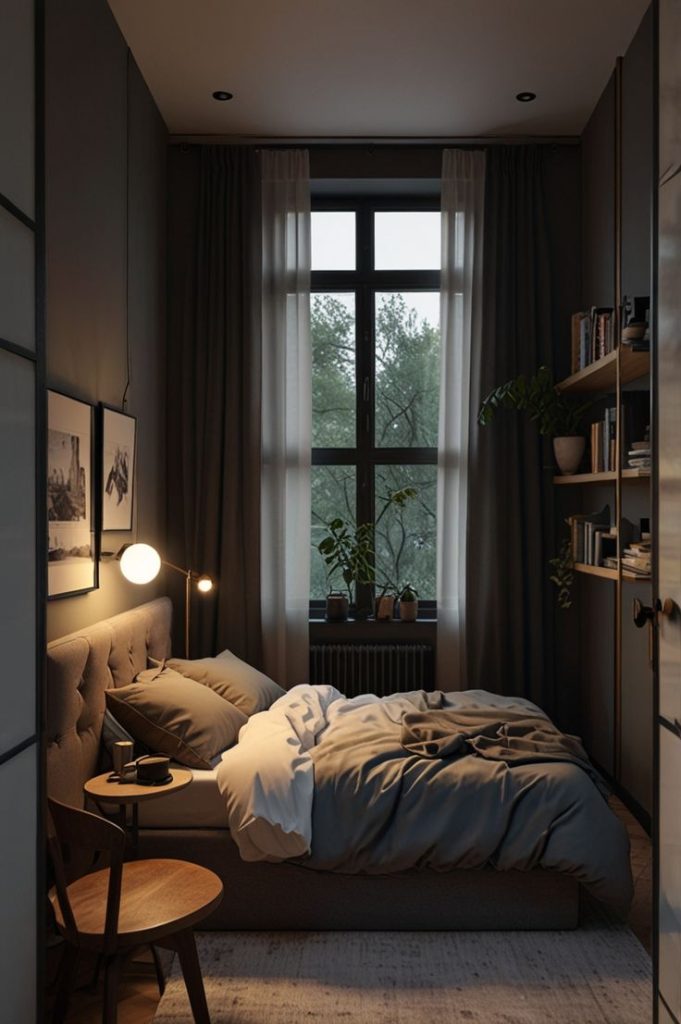
I usually include a single or double bed, a compact wardrobe, and a small desk. Darker tones combined with green accents add depth without making the room heavy. Space-saving solutions keep the layout practical and clean.
One improvement I suggest is adding discreet storage for hobbies or work tools, built directly into the design.
29. Green Color Schemes for Fresh Tiny Bedroom Interiors
Green color schemes are one of the most effective choices for tiny bedrooms. I use green because it visually opens up small rooms while keeping them calm and cozy. This works especially well in small apartments where natural light is limited. I often apply this approach in 3×3 rooms where every detail matters.

When designing with green, I pair soft green walls with a neutral single or double bed, depending on the user. I usually add a slim wardrobe with matte finishes, a small desk near the window, and wall-mounted shelves. These choices support space-saving goals without creating clutter.
From my experience, green is one of the easiest colors to live with over time. I often use nature inspired tones because they bring a sense of calm and balance to a room. I have seen great results using green in both master bedrooms and children’s rooms. It works well for different styles and can even pair nicely with soft pink accents when used in the right balance.
What is often missing in green bedrooms is layered lighting. I recommend warm LED strips behind the headboard and inside wardrobes to add depth and improve night-time comfort.
30. Minimalist Bedroom Principles for Small Homes
Minimalist bedroom ideas are at the heart of modern small-space design. I focus on clean lines, limited materials, and strong visual order so tiny bedrooms feel planned rather than cramped. This approach works very well in apartments with attached bathroom layouts.

In practice, I choose a low-profile single or double bed, built-in wardrobe storage, and one floating desk. Space-saving furniture with hidden storage is essential. I avoid extra decor and rely on textures like wood panels or fabric headboards to bring warmth.
I personally prefer minimalist bedrooms because they are easy to maintain and adjust over time. Well-known design publications often highlight how minimal spaces reduce stress, and I agree based on my own work with small bedrooms for two people.
Many minimalist rooms lack personality. I suggest adding one visual element, such as a green plant or subtle artwork, to keep the space from feeling too plain.
31. Small Bedroom Design Ideas for Boys
Designing a small bedroom for boys means balancing strength, function, and style. In 2026, many parents ask for small bedroom ideas that support study, rest, and storage in one compact layout. This is especially important in rooms with very limited space.
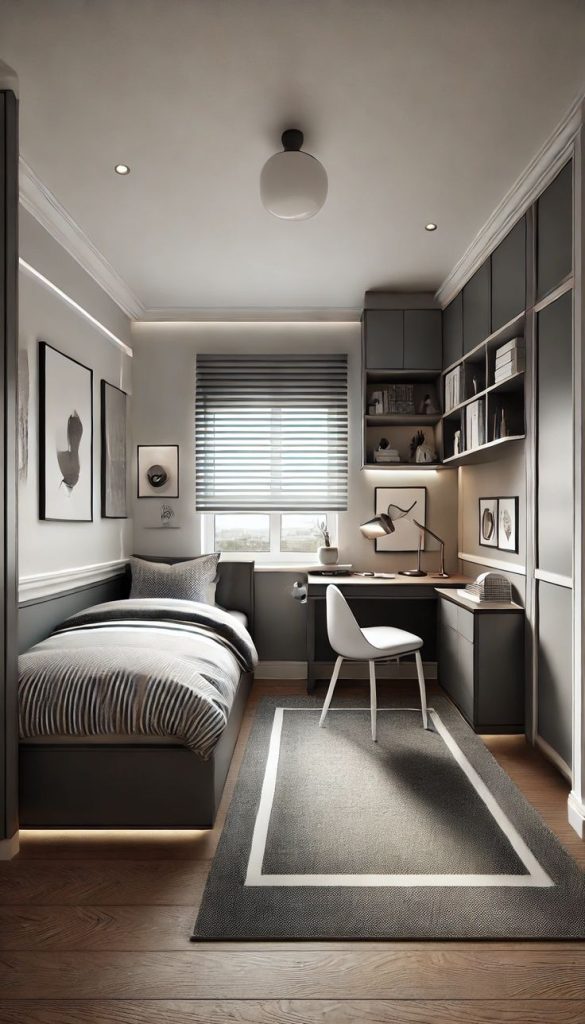
I usually include a single bed or bunk bed, a strong desk, and vertical wardrobe storage. Wall shelves are essential for books and toys. Green or neutral colors work well, with optional pink or blue accents based on personal taste.
From my experience, boys benefit from clearly defined areas within their room. I create a simple separation between sleep and study zones using rugs and focused lighting, even in small spaces. This makes the room feel more organized and easier to use every day.
What is often missing in boys’ bedrooms is adaptability. I recommend modular furniture that can change as the child grows, especially in cozy small-space layouts.
32. Smart Design Ideas for Very Small Bedrooms
Very small bedrooms require the most careful planning. I focus on space-saving solutions that use every wall and corner wisely, especially in 3×3 layouts. These designs are common in city apartments and minimalist renovations.

I usually use a compact single or double bed with built-in drawers, wall-mounted bedside tables, and a sliding wardrobe. Mirrors and light colors help the room feel larger while keeping it warm and comfortable.
From my experience, very small bedrooms work best when you keep things simple. I have seen that overcrowded spaces quickly become uncomfortable and hard to use, both visually and practically. Keeping only what you need helps the room feel more open, calm, and functional.
Many very small bedrooms also lack good lighting and airflow. I suggest choosing window treatments that allow daylight while still providing privacy.
33. Smart Wardrobe Storage Ideas for Tiny Bedrooms
Wardrobe planning plays a key role in tiny bedroom design. I design wardrobes that blend into the room so the space feels clean and organized. This approach works well for both single users and couples.
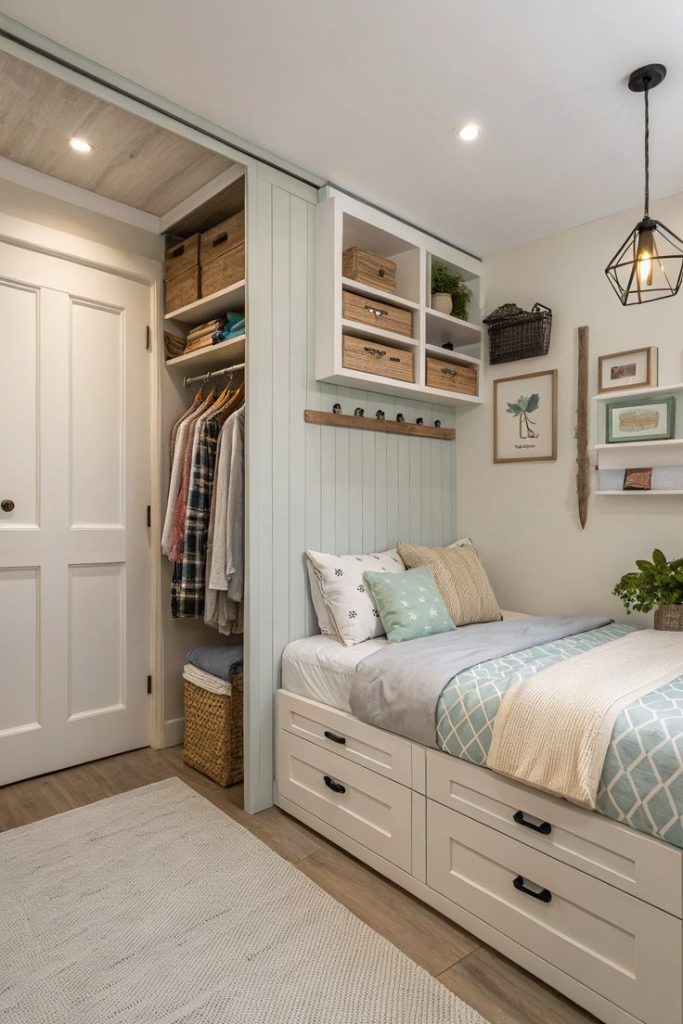
I often use floor-to-ceiling wardrobes with sliding doors, internal organizers, and built-in lighting. These space-saving options reduce the need for extra furniture and suit small apartment living very well.
From my experience, a well planned wardrobe can completely transform a small bedroom. I focus on storage efficiency rather than size, especially when working with shared spaces, because smart organization makes the room feel more open and easier to use every day.
What is often missing is personalization. I recommend customizing wardrobe interiors based on daily routines, especially when two people share the same space.
34. Space-Saving Bed Ideas for Tiny Bedrooms
Space-saving beds are a key part of modern small bedroom design. In 2026, there is strong interest in beds that combine storage, seating, or work functions in one compact form.
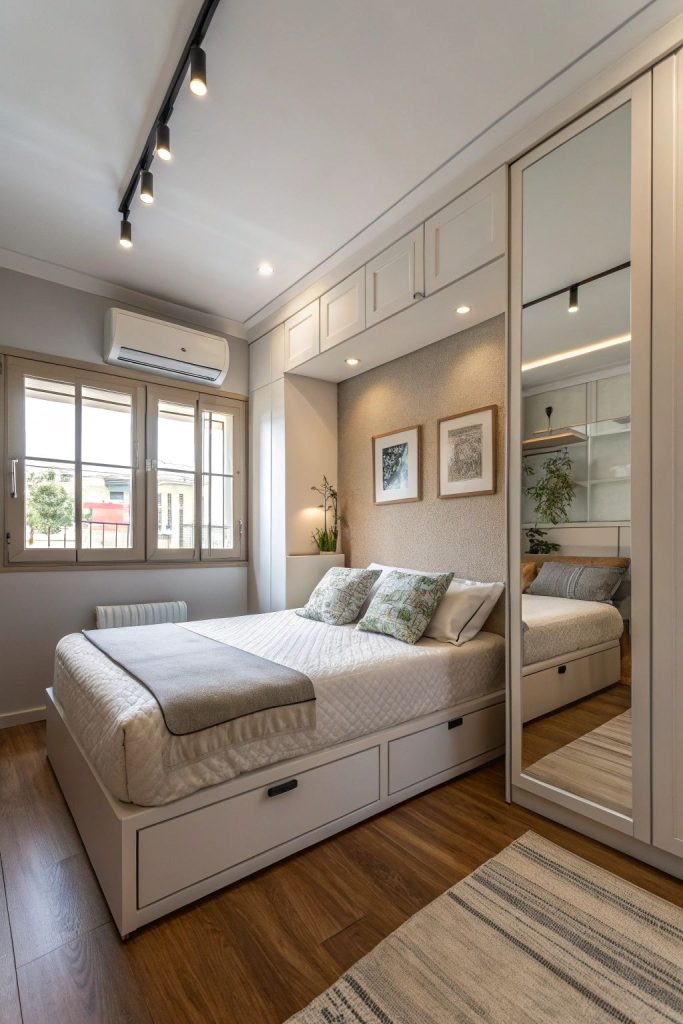
I regularly use beds with drawers, lift-up storage, or built-in desks. Bunk beds are also great for children or two people in very small rooms. These options free up space for movement and extra storage.
Personally, I prefer beds that feel visually light, such as low frames or wall-integrated designs. I point out that visual lightness improves small rooms, and I have used this idea successfully in many projects.
Many space-saving beds forget about comfort. I always suggest choosing a high-quality mattress for long-term use.
35. Final Inspiration and Ideas for Tiny Bedroom Design
Tiny bedroom designs are all about balancing function, comfort, and visual calm. I combine smart layout ideas with space-saving methods to create rooms that feel thoughtful and easy to live in for men, couples, and children.

I bring together elements like green accents, minimalist furniture, smart wardrobes, and flexible bed solutions. Whether designing a master bedroom or a small apartment room with bathroom access, consistency is essential.
From my perspective, the best tiny bedrooms reflect the real lifestyle of the user. Many trusted design sources highlight personalization over trends, and I apply this by shaping layouts around daily habits.
One thing often missing in final designs is future thinking. I recommend leaving space for change, especially in apartments where needs naturally evolve over time.


