Tiny Living Room Design 2026 for Cozy and Modern Small Spaces
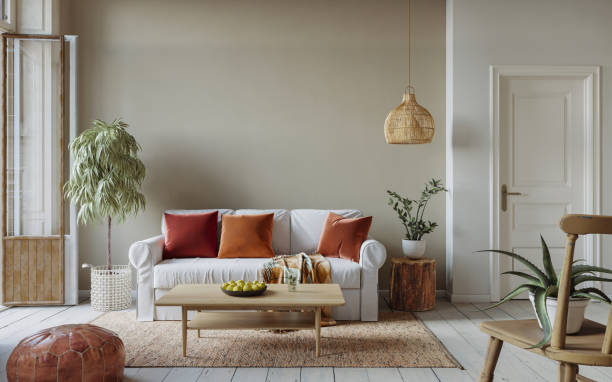
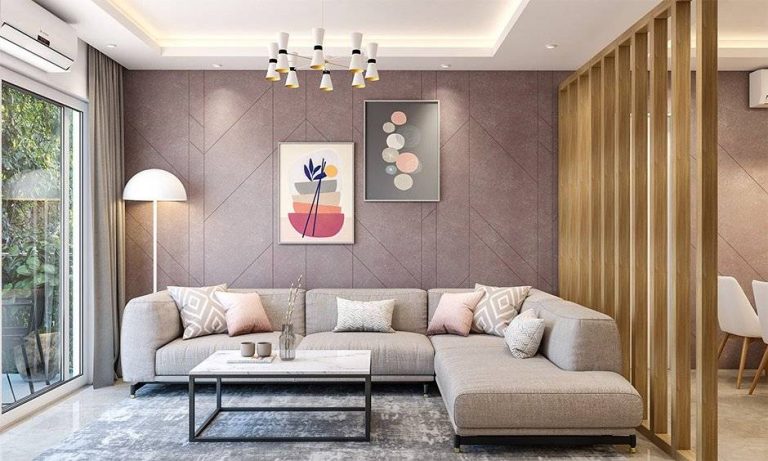
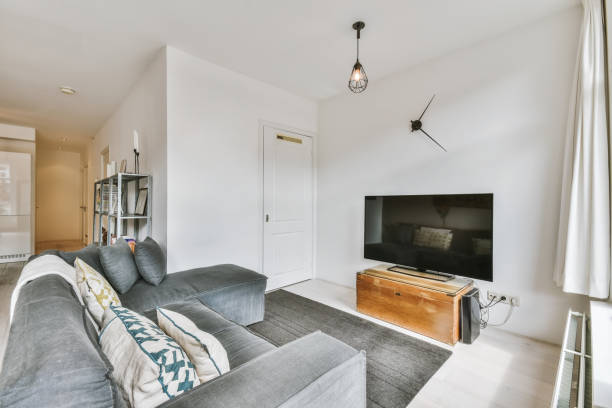
Tiny living room ideas in 2026 are changing the way we use small homes. After testing many layouts myself, I can say that small rooms can feel warm, useful, and stylish at the same time. The right tiny living room design helps you enjoy daily life without feeling stuck or crowded. In this guide, I explain how layout choices, furniture selection, and interior details come together to create cozy tiny living rooms that actually work in real apartments, condos, and tiny homes.
1. Overview of Tiny Living Room Design in 2026
To me, tiny living room design in 2026 is all about matching design with real life. The goal is comfort and flexibility without making the room feel heavy. These designs focus on smooth movement, natural light, and balanced layouts that support rest, work, and daily routines in a small area.

From what I have seen, furniture makes the biggest difference. Low sofas, modular seating, compact storage, and multi use coffee tables shape the layout without filling the room too much. I always suggest furniture with slim legs and a light look because it helps the space feel open and modern.
Small living rooms work best with a sense of restraint. I focus on removing extra items instead of adding more, because it keeps the space clean and easier to use. I have seen this approach work consistently in real homes, making rooms feel more open, comfortable, and well organized.
2. Main Trends Influencing Tiny Living Room Designs
When I study current trends, I notice a strong lean toward minimalist and Japandi inspired spaces. These styles feel calm and well planned. Tiny living room designs in 2026 use natural materials, soft neutral colors, and simple shapes that support cozy living without visual stress.

I often use light wood furniture, soft fabric seating, and built in storage that blends into the walls. These choices reduce clutter and improve function. Open shelves, small media units, and hidden storage help keep the room clean and organized.
I have learned that trends only work when comfort comes first. I always make sure the space feels practical and easy to live in before thinking about style. I focus on getting the seating and lighting right first, then add decor in a way that supports the overall comfort of the room.
3. Why Tiny Living Room Designs Matter for Modern Life
Tiny living room designs are important today because homes are getting smaller while comfort needs are growing. I see this a lot in city apartments where every bit of space counts. A smart tiny living room design can support work time, rest, and social moments without feeling tight.

In real use, I rely on flexible furniture like sofa beds, nesting tables, and movable poufs. These pieces allow one room to change roles easily. Built in storage inside seating or walls also helps keep small spaces tidy and cozy.
Personally, I believe better design matters more than having a bigger house. I often suggest say that smart interiors improve daily life more than extra square footage, and my experience proves this.
4. Tiny Living Room Designs Made for Small Spaces
Designing tiny living rooms for small spaces starts with understanding scale and movement. I focus on clear walkways and furniture placement that allows easy movement. Balanced layouts help small rooms feel calm and usable.

I usually suggest one compact sofa, a single accent chair, and a slim coffee table. Wall shelves and floating cabinets keep the floor open. Together, these choices make the room feel bigger without losing comfort.
Simple choices always work best in small interiors. I focus on using fewer but higher quality pieces, and I have seen how this approach improves both the overall look and everyday functionality of a space.
5. Smart Layout Tips for Tiny Living Room Design
A good layout is the base of every successful tiny living room. I always start with the main seating piece and plan everything around it. Even the smallest room needs clear zones.

I often use modular sofas, corner seating, or built in benches to add seating without blocking movement. Wall mounted TVs or projectors save surface space and support clean layouts.
I know layout mistakes are very common in tiny rooms. Many professionals stress the importance of correct scale, and I always recommend measuring before buying furniture.
6. Modern Tiny Living Room Design Ideas
Modern tiny living room ideas focus on clean shapes, neutral colors, and gentle contrast. My goal is always a space that feels current but still warm, mixing modern finishes with soft textures.

I prefer furniture with simple forms, built in storage, and soft matte finishes. Rugs, accent lighting, and minimal decor soften the space. These details keep the room inviting while staying modern.
In my view, modern design works best in small rooms when warmth is added intentionally. I focus on using texture to soften clean lines and make the space feel more inviting. This approach helps simple interiors feel more comfortable and lived in without losing their modern look.
7. Cozy Tiny Living Room Designs for Daily Comfort
Cozy tiny living room designs always start with comfort. I build these spaces by layering soft materials and warm tones so the room feels welcoming every day.

I usually add soft sofas, throw blankets, area rugs, and warm lighting. Small side tables and upholstered ottomans add function without taking much space. These choices keep the room cozy and practical.
From my point of view, comfort should never be traded for style. I believe that living rooms must feel welcoming, especially in small homes where they serve many purposes.
8. Minimalist Tiny Living Room Designs
Minimalist tiny living room designs in 2026 focus on clarity and calm. When I work with minimalist spaces, I remove visual clutter and let the layout breathe. This helps small rooms feel organized instead of empty.
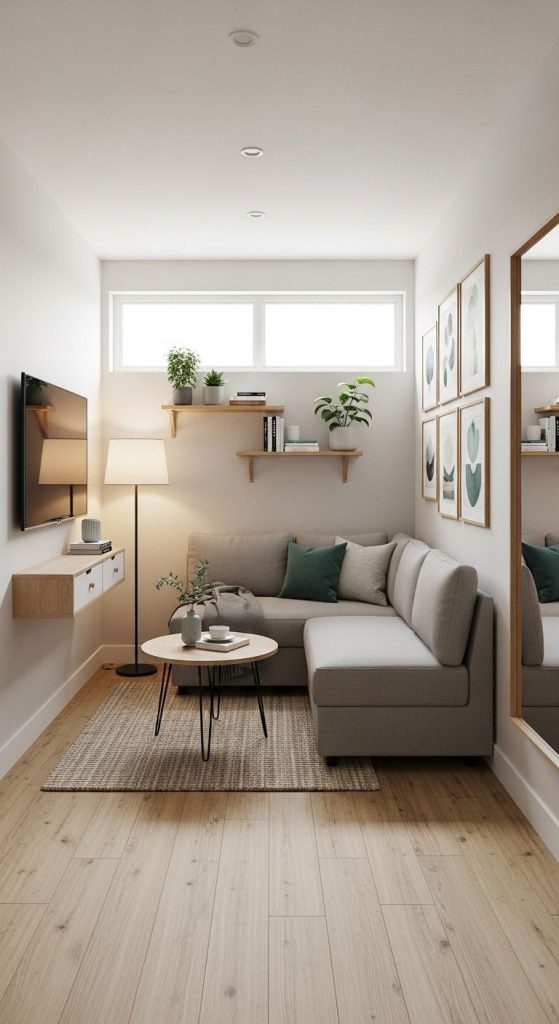
I usually choose one simple sofa, a compact coffee table, and one storage piece that blends into the wall. Clean lines, neutral fabrics, and hidden storage work best. Every item must earn its place in minimalist tiny living rooms.
Minimalism only works when comfort stays intact. I often suggest say minimalist rooms should feel lived in, not like showrooms. I always balance simplicity with soft textures.
9. Japandi Style in Tiny Living Room Design
Japandi style continues to shape tiny living room design by mixing Japanese calm with Scandinavian warmth. I find this style perfect for small spaces because it values balance, nature, and thoughtful layouts.

I often use low seating, light wood furniture, linen fabrics, and simple decor. These choices keep the layout light and functional. Storage is usually hidden or built in to protect the calm feel.
Japandi is one of the most practical styles for small living rooms. It blends clean, simple design with warmth, which helps the space feel cozy without adding clutter. I often use this style when I want a room to look modern while still feeling comfortable and easy to live in.
10. Tiny Living Room Designs for Very Small Areas
Designing tiny living rooms for very small spaces requires discipline. I always focus on movement and daily use first. Every choice must support comfort in a tight area.

I usually recommend a small loveseat, wall shelves, and furniture with storage like ottomans. Vertical space becomes very important, and I use it to keep floors clear.
Very small rooms work best when limits are accepted. Many professionals suggest furniture that fits the scale, and I have seen how this improves daily comfort.
11. Small Living Room Ideas Inspired by Tiny House Design
Tiny house living room ideas offer great inspiration for apartments and condos. I often use tiny house concepts because they focus on efficiency and comfort. These ideas translate well into cozy small homes.

I use foldable furniture, built in benches, and seating with storage. These are common in tiny house interiors and help increase function without crowding the room.
Tiny house design is all about intentional living. I make sure every item serves more than one purpose so the space stays practical and uncluttered. This approach helps create a home that feels organized, efficient, and comfortable to live in.
12. Tiny Condo Living Room Interior Design Concepts
Tiny condo living room interior ideas focus on modern lifestyles within tight space limits. condos are different because they often have open layouts but limited square footage. A well planned tiny living room design helps create clear zones without using walls.

I usually work with compact sofas, slim media units, and light dividers like rugs or lighting changes. These details help organize the space while keeping it open. Storage is often built into walls or furniture to avoid clutter.
13. Living Room Design Ideas for Tiny Houses
Living room designs for tiny houses must mix comfort and efficiency perfectly. I design these spaces around daily routines and storage needs. In tiny houses, the living room often works as a seating area, sleeping spot, and social space.
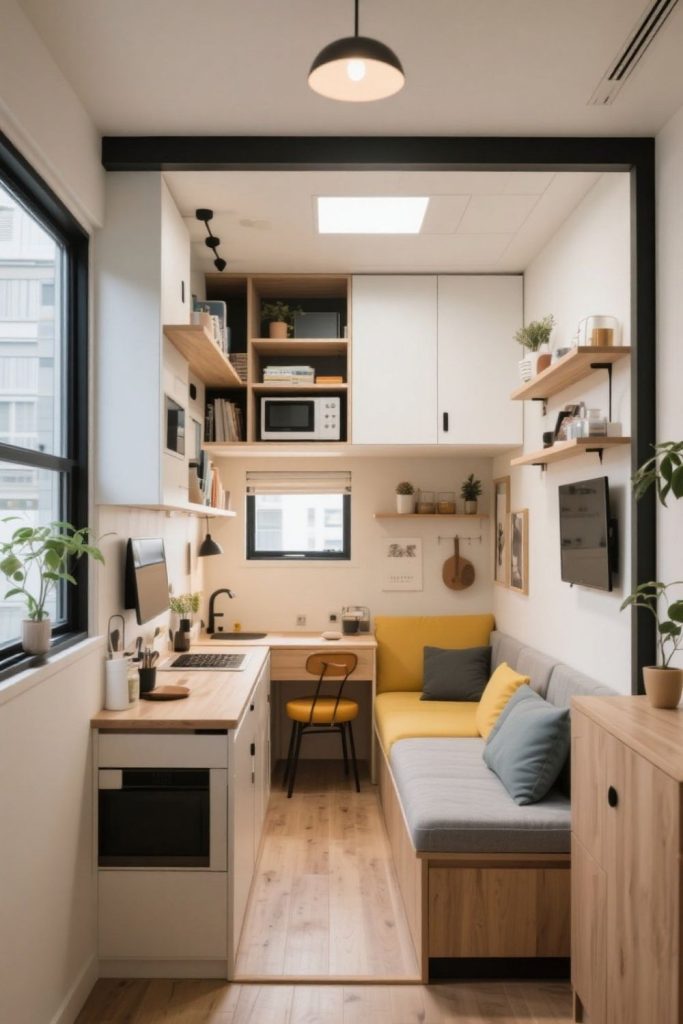
I use convertible sofas, built in storage, and lightweight furniture that is easy to move. Natural light is very important, so I keep window coverings simple to help the space feel open.
Tiny house living rooms work best when simplicity is combined with warmth. I focus on adaptable layouts and flexible pieces that can serve different needs throughout the day. This approach helps the space stay practical, comfortable, and easy to live in over time.
14. Tiny Kitchen and Living Room Design Solutions
Tiny kitchen living room design solutions are becoming very common in small modern homes. I focus on creating smooth flow between the kitchen and living area while keeping everything visually organized. This approach supports open kitchen and tiny living dining room layouts.
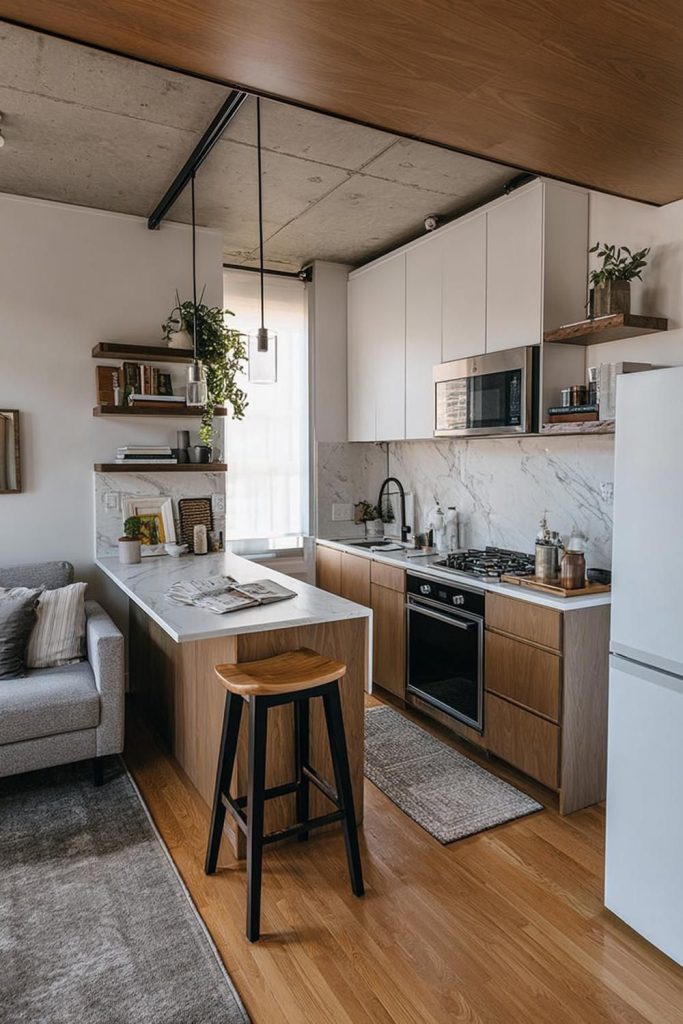
I usually suggest matching cabinet finishes, compact appliances, and shared lighting styles. A small open kitchen combined with a defined living room rug helps separate functions without walls.
Unity matters most in open layouts. Many professionals suggest treating the kitchen and living room as one complete design, .
15. Tiny Living and Dining Room Design Ideas
I see tiny living dining room design as one of the smartest solutions for small homes. In 2026, this style focuses on one shared space where living and dining work together without clutter. The key is a clear layout that allows easy movement, good light flow, and flexibility. I always focus on compact proportions, open views, and balance between seating and dining areas.

When choosing furniture, I rely on multi use pieces. A slim dining table that also works as a desk, armless chairs that slide fully under the table, and a compact sofa with clean lines are essential. I often recommend benches with hidden storage and lightweight coffee tables that can be moved easily. These choices work well for tiny kitchen living room layouts and condo interiors.
Living and dining spaces work best when colors and materials stay consistent. I often suggest explain that continuity makes small interiors feel larger. I agree and always suggest treating this area as one space instead of two separate zones.
16. Design Ideas for Tiny Living Room Spaces
Design ideas for tiny living rooms focus on simplicity and purpose. I approach these spaces with a clean mindset where every item has a reason. The goal is to create tiny living rooms that feel comfortable and usable every day. I pay close attention to scale, walking paths, and how the room connects to the rest of the home.

Furniture choices matter a lot. I select low sofas, wall mounted shelves, and small side tables to keep the space open. Modular seating works especially well because it adapts to changing needs. I also use mirrors and vertical storage to lift the room visually and make the most of small areas.
I have seen how reducing visual clutter can instantly improve comfort in a space. Instead of adding more decor, I focus on editing what is already there and keeping only what truly adds value. This approach helps the room feel calmer, more organized, and easier to live in.
17. Cozy Living Room Designs for Small Spaces
Cozy living room designs for small spaces are about feeling comfortable, not filling the room with furniture. I create warmth through size balance, texture, and lighting rather than excess items. Cozy small spaces focus on calm layouts, soft shapes, and thoughtful design that supports rest and connection.

I carefully choose furniture that feels good to touch. Soft sofas, layered rugs, gentle curtains, and compact armchairs make a big impact. I often add a small rounded coffee table with warm wood tones. These details help turn small living rooms into welcoming spaces.
Personally, I believe cozy design comes from balance. Many US professionals highlight the importance of softness in modern small interiors. I have applied this idea successfully in both tiny house and condo projects.
8. Furniture Solutions for Tiny Living Room Designs
Furniture choices decide how successful a tiny living room will be. I design these spaces by thinking upward and keeping flexibility in mind. In modern small homes, furniture needs to serve more than one purpose without taking over the room. A clear layout helps movement stay smooth and makes the space feel well planned.

I often use convertible sofas, nesting tables, wall mounted desks, and storage ottomans. These pieces support minimalist ideas while keeping comfort intact. For tiny house living room layouts, I also suggest built in seating with storage underneath, which works very well in small interiors.
Buying fewer but better quality furniture pieces is always worth it. I often suggest recommend adaptable furniture, and I have seen how this choice reduces clutter and daily stress.
19. Lighting Ideas for Tiny Living Room Design
Lighting plays a major role in tiny living room design because it changes how space feels. I treat lighting as part of the structure, not just decoration. Layered lighting is key for adding depth and flexibility to small rooms.

I mix ceiling lights, wall lights, and floor lamps to avoid harsh shadows. Adjustable lights help the room shift between activities. I usually choose warm light tones to create a cozy mood, especially in small and tiny house living rooms.
In my work, I rely on indirect lighting to create a more comfortable and relaxed atmosphere. I use this approach often in small condo living rooms, where soft, layered lighting helps the space feel larger and more inviting without adding visual clutter.
20. Color Ideas for Tiny Living Room Designs
Color has a strong effect on how tiny living rooms feel. I use color to make the room look larger while keeping personality. Many small spaces use neutral bases with gentle contrast inspired by minimalist and Japandi styles.
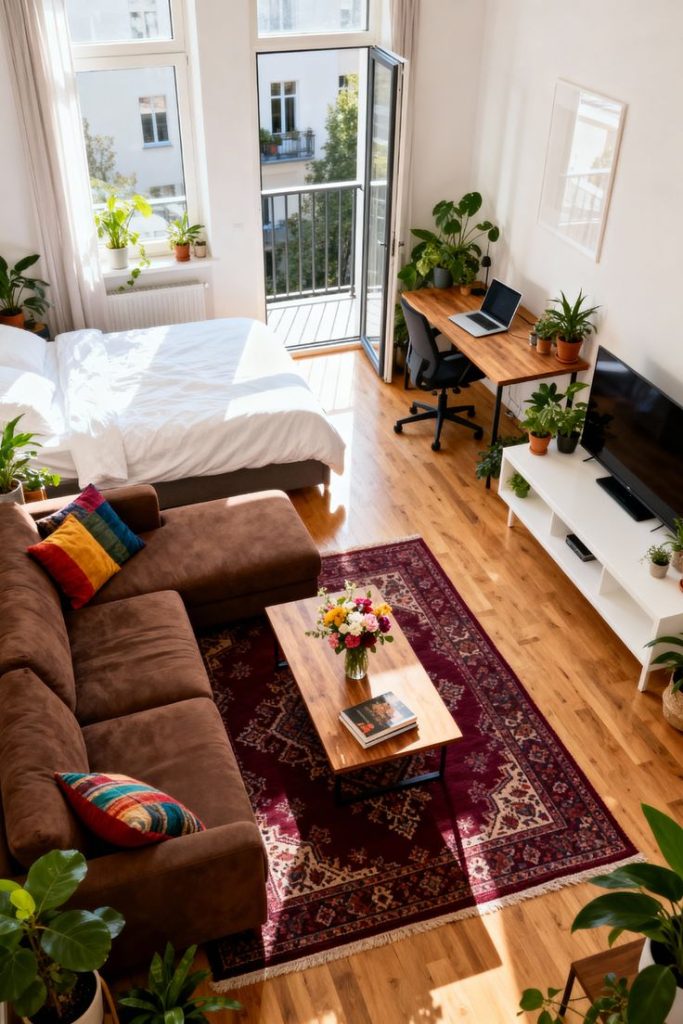
I like light colored walls with slightly darker furniture to add depth. Soft earth shades, warm whites, and muted greens work very well in cozy small spaces. Accent colors are best added through cushions, artwork, or small decor pieces so the room does not feel busy.
Mticking to a consistent color palette makes the layout feel more unified. I often suggest suggest using no more than three main colors, and I find this advice very helpful.
21. Materials and Textures for Cozy Small Living Rooms
Materials and textures decide how warm a small living room feels. I choose materials with comfort and durability in mind. In cozy tiny living rooms, texture replaces extra decoration.

I often use natural materials like wood, linen, wool, and soft leather. These materials age nicely and add warmth to modern spaces. Textured rugs, fabric sofas, and matte finishes soften the look of small rooms.
Mixing textures works better than using strong patterns. I follow this approach because it keeps the space calm and flexible, which is especially important in tiny house interiors.
What is often missing is contrast in finishes. I like to balance matte surfaces with a slight sheen to add interest without clutter.
22. Storage Ideas for Tiny Living Room Designs
In tiny living rooms, storage needs to be planned from the start. I treat storage as part of the room design, not an extra addition. In 2026, good storage is subtle, vertical, and visually quiet, helping the room stay clean and open.

I use built in shelves, storage benches, and wall mounted cabinets that blend into the background. Coffee tables with hidden storage and sofas with storage bases are very useful in tiny house living rooms. These ideas keep the space open while handling daily needs.
Smart storage lowers stress in small homes. Many professionals recommend hiding storage whenever possible, and I completely agree, especially for condo living rooms.
23. Layout Ideas for Small Open Kitchen and Living Rooms
Layout planning is very important for small open kitchen and living room spaces. I focus on smooth flow between areas without visual overload. In tiny kitchen living room layouts, zoning matters more than decoration.

I use furniture placement and lighting to define areas. A compact sofa facing away from the kitchen, a slim island, or a small rug can separate zones gently. These ideas help open kitchens feel connected but not overwhelming.
Open layouts feel more spacious when walking paths are kept clear. I make sure there is at least one uninterrupted pathway so the room is easy to move through and feels more open and comfortable.
24. Interior Design Ideas for Small Apartment Living Rooms
Interior design ideas for small apartment living rooms focus on flexibility and light. I design these rooms to support daily activities without constant furniture movement. Apartment interiors focus on efficiency and calm visuals.

I choose compact sofas, slim shelves, and wall mounted media units to save floor space. Neutral colors and reflective surfaces help bring in more light. These ideas work especially well in city apartments.
From my professional work, I know apartments feel better with fewer but higher quality pieces. I often suggest support this approach, and I apply it in every small apartment project.
25. Cozy Small Spaces Living Room Design Inspiration
Cozy small living room inspiration always begins with comfort. I aim to create spaces that feel welcoming even when square footage is limited. In 2026, cozy interiors balance softness with structure.

I use soft seating, layered lighting, and warm materials to create intimacy. Compact chairs, plush rugs, and textured cushions help small rooms feel complete without excess.
In my view, coziness comes from thoughtful limits. I talk about emotional comfort, and I have seen how this mindset transforms tiny living rooms.
26. Modern Small Spaces Living Room Design Concepts
Modern small living room concepts in 2026 focus on clarity and smart features. I design these rooms with clean lines, hidden storage, and flexible layouts that suit modern life.

I use low profile furniture, integrated lighting, and smart storage solutions. These choices support minimalist ideas and help small living rooms stay visually calm.
Modern spaces feel better when they are softened with texture. I pair clean, modern shapes with warm materials to make the room feel more comfortable and balanced without losing its simplicity.
27. Tiny Living Room Interior Design for Urban Homes
Tiny living room design for urban homes must respond to busy city life. I create spaces that feel calm and efficient, offering comfort while supporting compact living.

I rely on multifunctional furniture, sound absorbing materials, and light reflecting finishes. These choices work well for condo living rooms and modern small homes.
Urban interiors improve when visual clutter is reduced. Many professionals highlight simplicity, and I apply that rule in every city project.
28. House Interior Design Ideas for Tiny Living Rooms
House interior design ideas for tiny living rooms focus on connection with the rest of the home. I treat the living room as part of one continuous design story.

I match colors, materials, and finishes with nearby rooms. Compact sofas, built in shelves, and soft decor help the living room blend smoothly into the house interior.
From my perspective, consistency plays a big role in improving comfort in small homes. I stick to one clear design style throughout the space, and I have seen how this makes everything feel more cohesive, calm, and easy to live in.
29. Kitchen and Living Room Design in Tiny Homes
I see kitchen and living room design as one of the most important parts of tiny homes. A shared space improves movement, light, and openness. When planning these layouts, I focus on consistent materials and clear flow between cooking, dining, and relaxing areas.

I use compact sofas, slim cabinets, and built in storage for daily needs. A small dining table that also works as a desk is very helpful. Built in benches, wall shelves, and minimal upper cabinets keep the space open and unified.
I often suggest recommend using lighting instead of walls for zoning. I agree. Pendant lights in the kitchen and softer lights in the living area define spaces without closing them off.
30. Small Interior Design Ideas for Tiny Living Rooms
When working with very small interiors, I focus on flexibility and simplicity. Tiny living rooms benefit from layouts that avoid extra furniture and adjust easily during the day. Clean lines, light colors, and layered lighting are very popular.

Every furniture piece needs a clear role. I often suggest a loveseat instead of a full sofa, nesting tables instead of one large table, and wall mounted media units. Storage ottomans and slim shelves keep the room tidy without crowding it.
Removing items often improves a space more than adding new ones. I focus on keeping only what is truly useful or meaningful, and even one less piece can make the room feel more comfortable, open, and easy to manage.
31. Modern Tiny Living Room Design for Small Apartments
Modern tiny living room design in small apartments balances clean visuals with comfort. I design condo living rooms using good proportions, neutral colors, and finishes that reflect light.

Furniture choice is very important. I prefer low sofas, armless chairs, and modular seating that can move easily. Glass or light wood tables feel lighter, while built in storage hides clutter. Wall lights and simple window treatments keep the look clean.
From my professional view, Japandi and minimalist styles continue to shape small apartments. Natural materials and limited colors create calm spaces with warmth.
32. Family Friendly Tiny Living Room Design Ideas
Family friendly tiny living room ideas need to be strong, safe, and flexible. I design these spaces to support daily family life while staying organized and calm.

I recommend stain resistant fabrics, rounded furniture edges, and multi use storage. Low sectionals help define seating while keeping space for movement. Closed storage keeps toys and daily items out of sight.
I have seen how important flexibility is in family spaces. I choose furniture that can adapt as children grow, which helps reduce the need for frequent changes and keeps the room practical for years.
33. Sustainable Tiny Living Room Design
Sustainability is now essential in tiny living room design. I combine energy saving choices with timeless style. Small spaces benefit greatly from sustainable materials because everything is used more often.

I choose furniture made from responsibly sourced wood, recycled fabrics, and low emission finishes. Modular furniture reduces waste, while natural light and indoor plants improve comfort and air quality.
In my experience, focusing on durability makes a space more practical and long lasting than chasing trends. I choose pieces that hold up well over time and continue to feel comfortable, so the room stays functional and relevant for years.
34. Future Trends in Tiny Living Room Design After 2026
Looking past 2026, I see tiny living rooms becoming even more flexible. Layouts will adjust more easily, and furniture will adapt to daily needs. This direction supports very small homes where space is precious.

Furniture will include more built in technology, like charging points and adjustable parts. Materials will mix modern finishes with natural textures. Open kitchen and living layouts will continue, especially in city homes.
Customization is becoming essential in small interiors. I have seen how tailored solutions can completely improve how a tiny living room functions and feels. When furniture and storage are designed to fit the exact space, the room becomes more efficient, comfortable, and visually balanced.