Kitchen Remodel Concepts for 2026: Open Layout & Modern Design
What will kitchen remodeling look like in 2026? Is the classic all-white kitchen finally fading away, or are new materials and smarter layouts taking over? In this guide, I am sharing the latest kitchen remodel ideas that focus on sustainability, comfort, and style. If you are planning a kitchen remodel on a budget or just want ideas to refresh your ranch-style home, these modern concepts will help you plan your next update.
Many homeowners still prefer open layouts where the kitchen flows into the dining and living areas. Clear floor plans make homes feel brighter and easier to move through. In 2026, older split-level homes are often updated into ranch-style layouts, with a strong focus on balance, personal style, and modern kitchen design.
Let us explore how you can build a dream kitchen that blends timeless charm with smart 2026 trends.
1. Updating Split-Level Kitchens for a Modern Feel
Split-level homes have unique layouts that offer great kitchen remodeling potential. In 2026, the focus is on matching modern design ideas with the home’s natural levels. raised platforms and half-walls can define areas without making the space feel closed. The goal is to keep the kitchen open while still giving each zone a purpose.
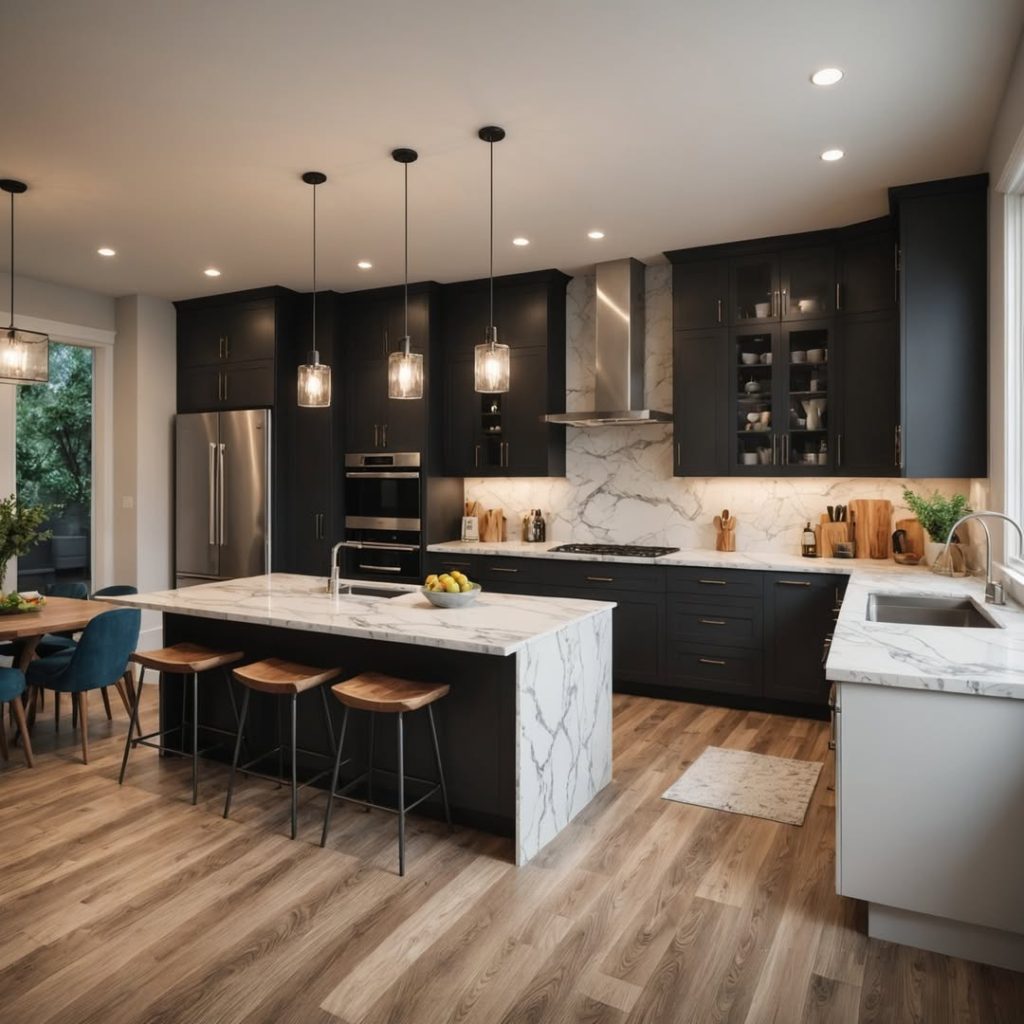
When I work on split-level kitchens, I pay close attention to how floors, cabinets, and lighting work together. Floating wood steps, soft stone countertops, and matte black accents give the kitchen a clean and updated look. Smart lighting helps separate spaces visually without adding full walls.
I have noticed that creating a stronger connection between the kitchen and nearby living areas makes the entire home feel brighter, more open, and easier to move through. I also find that natural light and layered textures can refresh an older kitchen without requiring major structural changes. Simple updates like these often make a space feel more modern while still keeping it warm and comfortable.
One more tip from my side. If your split-level kitchen feels tight, replacing railings with glass panels can open up the view and let more light move through the space.
2. Open Kitchen Remodel Ideas to Boost Light and Space
I believe an open kitchen should feel like a natural extension of the living room. In 2026, smooth flow, good lighting, and shared spaces are at the heart of kitchen remodeling. Removing unnecessary walls can turn even small kitchens into bright and welcoming areas.
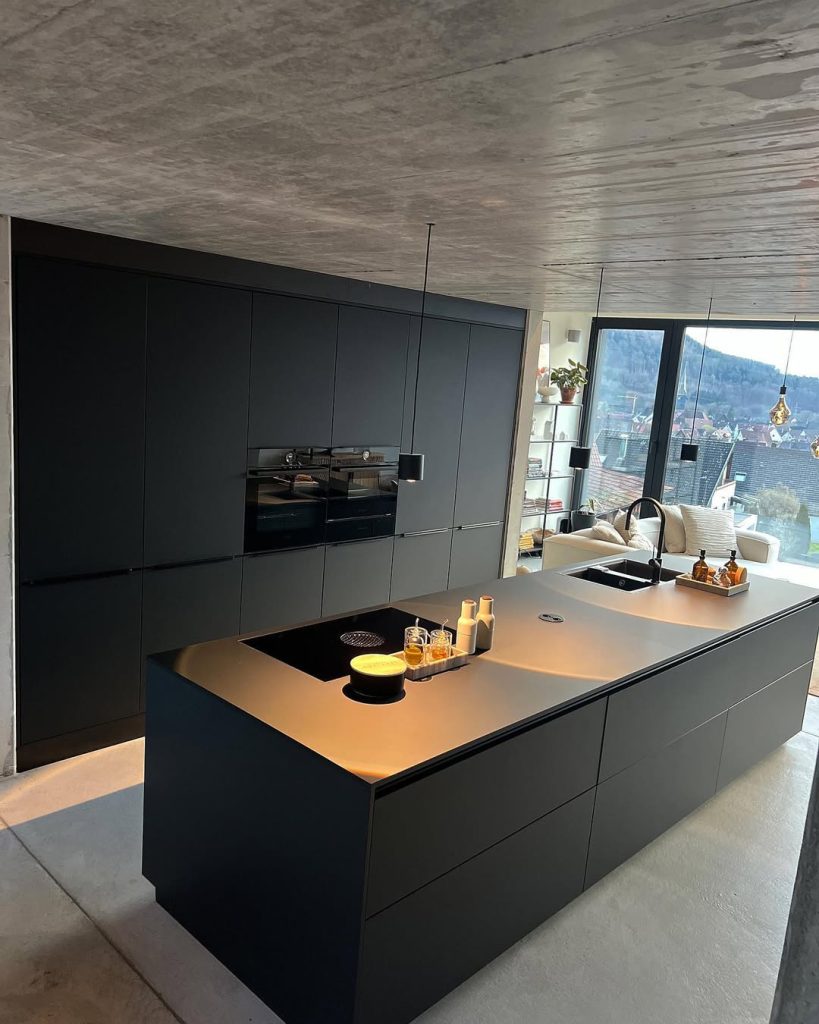
For this style, I suggest using the same flooring in both the kitchen and living room. Warm wood tones and simple hardware keep the look clean. Recessed lights and skylights increase brightness, while slim furniture keeps the space feeling open. Flexible dining tables or cozy breakfast corners work well here.
From what I have seen, open kitchen remodels make homes feel more social, welcoming, and connected in everyday life. Removing barriers between the kitchen and nearby living areas often encourages more conversation and shared time with family or guests. I have also noticed that homes with open layouts tend to feel brighter and more functional, which can add long term value as lifestyles continue to shift toward more connected living spaces.
To enhance this look, I like adding natural stone textures and indoor plants. These choices support sustainable kitchen remodel ideas that continue to grow in popularity.
3. Wall Removal Ideas for an Open Kitchen Layout
Whenever I plan an open kitchen by removing walls, my first step is checking the home’s structure. Load-bearing walls need professional advice before removal. Once the space opens up, light flows better and communication between rooms becomes easier, making the home feel more welcoming.

Instead of removing every wall, I often keep half-walls with built-in shelves or breakfast bars. They provide support and add function. Soft colors and gentle lighting help the new open layout feel calm and well planned.
From experience, removing even a single wall can completely transform how a kitchen looks and functions. The space usually feels brighter, more open, and far easier to move through during everyday use. I have also seen how open layouts improve the overall flow of a home, making cooking, dining, and spending time together feel much more connected while also adding long term appeal for future resale.
If I could add one more improvement, it would be sound control. Rugs, curtains, and textured walls help reduce noise in open kitchens.
4. Smart Floor Plans and Layout Ideas for Open Kitchens
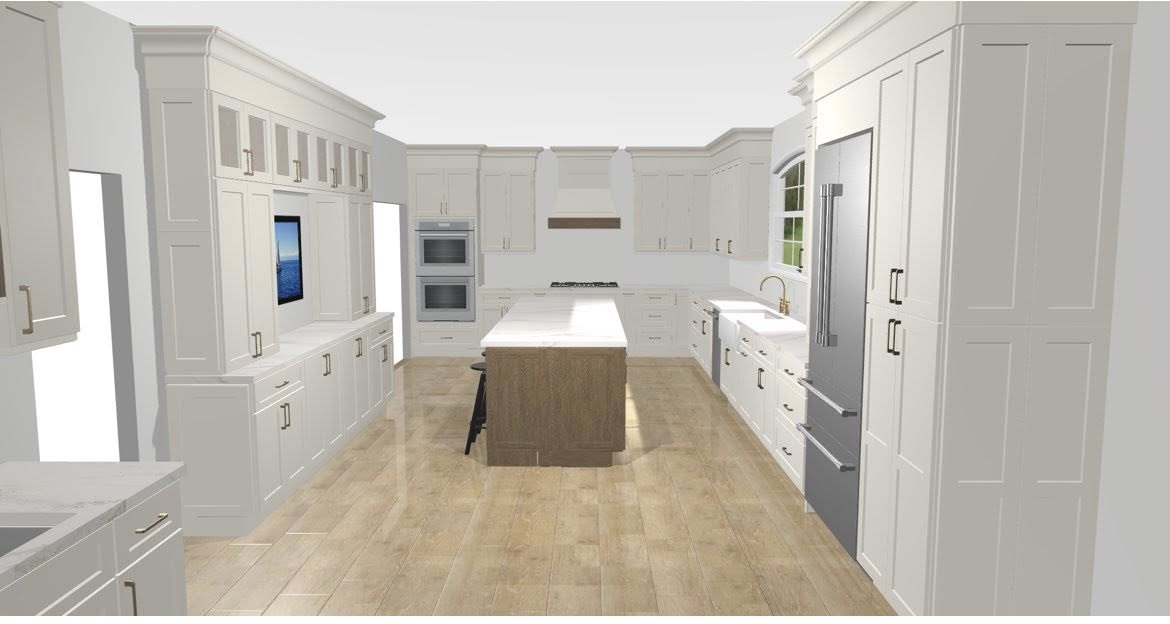
When planning open kitchen layouts, efficiency and movement matter most. I often recommend L-shaped or U-shaped designs because they offer easy access to appliances and open views. The classic work triangle between the sink, stove, and refrigerator still works very well.
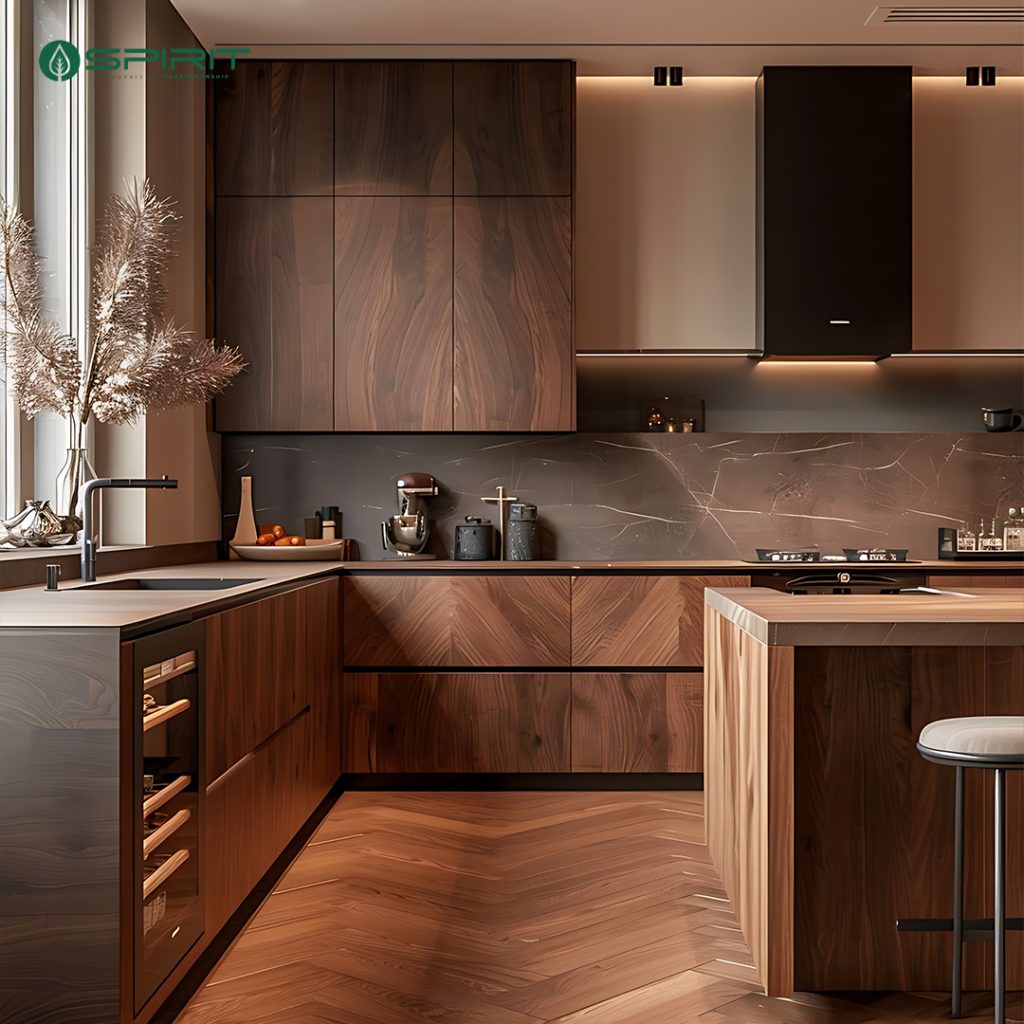
For smaller kitchens, I like using multi-purpose islands and pull-out counters. Built-in appliances and smooth cabinet fronts keep the space looking modern. Bright materials like quartz counters and glass tiles reflect light and make compact kitchens feel larger.
To me, a smart kitchen layout is one that makes everyday cooking and daily routines feel easier and more comfortable. I always focus on flexibility, practical movement, and creating spaces that can adapt to changing needs over time. Features like multi use islands, flexible storage, and open flow continue to stay popular because they support the way people actually live today.
I also recommend adding layered lighting, including task lights, ambient lights, and accent lights, to improve both function and mood.
5. Blending the Kitchen and Living Room Naturally
Combining the kitchen and living room is a key feature of modern kitchen remodeling. In 2026, these spaces often become hybrid areas where cooking and relaxation happen together. I use matching colors and flooring to connect the rooms while still keeping each area distinct.
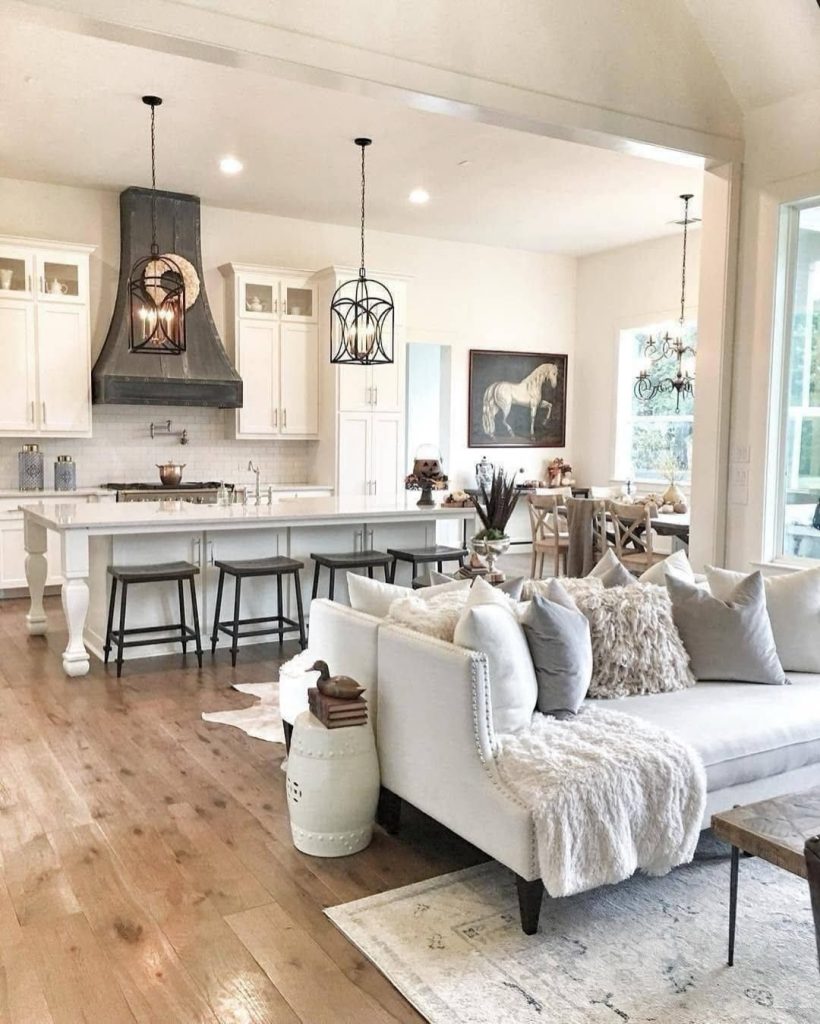
Soft seating, open shelves, and barstools make the space more social. I also like furniture with built-in storage, such as coffee tables with drawers or islands with hidden compartments. This keeps everything neat and open.
Success in dining and living room remodels often comes from layering textures in a balanced and thoughtful way. I like combining natural materials such as oak, stone, and linen because they bring warmth, depth, and a more relaxed feeling to the space. When these materials are used consistently, the room feels stylish without becoming overly decorated or heavy.
To finish the look, I suggest area rugs and layered curtains. They help define each space without adding walls.
6. Ranch-Style Kitchen Remodels That Feel Classic and New
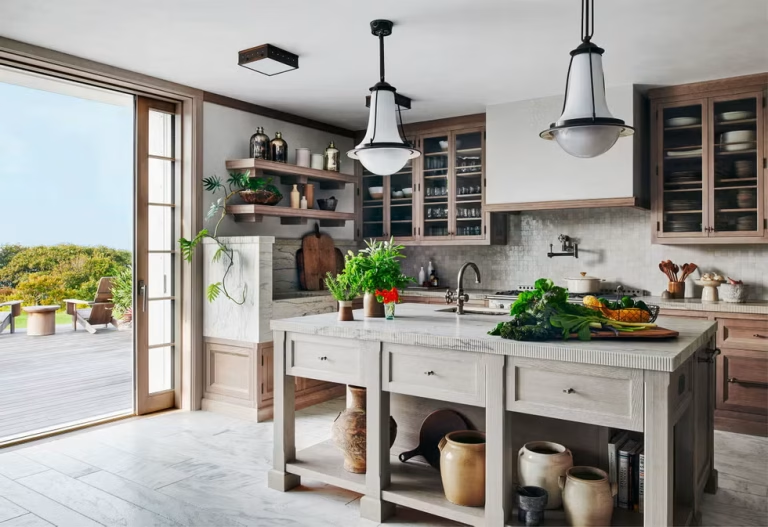
Ranch homes are very satisfying to remodel because of their single-level layout. In 2026, ranch kitchen updates focus on earthy colors, stone finishes, and energy-saving upgrades. The goal is to respect the simple ranch style while adding modern comfort.
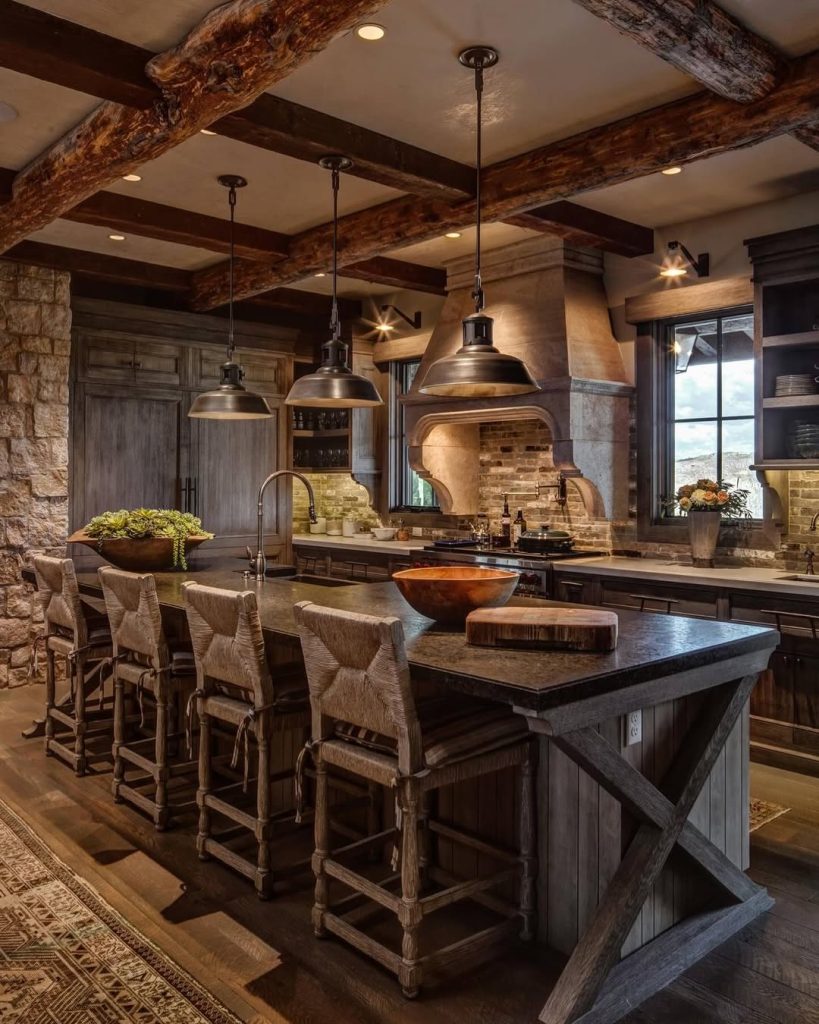
I often combine white oak cabinets with matte black handles and ceramic backsplashes. Natural light is essential, so I suggest adding larger windows or sliding doors that connect the kitchen to the backyard. These upgrades can stay affordable with smart lighting and fresh paint.
From what I have seen, many ranch home kitchens are moving back toward a mid century modern style because it fits the relaxed and practical feel of these homes so naturally. Clean lines, warm wood tones, simple cabinetry, and functional layouts work especially well in ranch spaces where comfort and openness matter most.
To take this design further, I recommend solar skylights or smart thermostats to improve comfort and energy efficiency.
7. Adding a Kitchen Island to an Open Layout
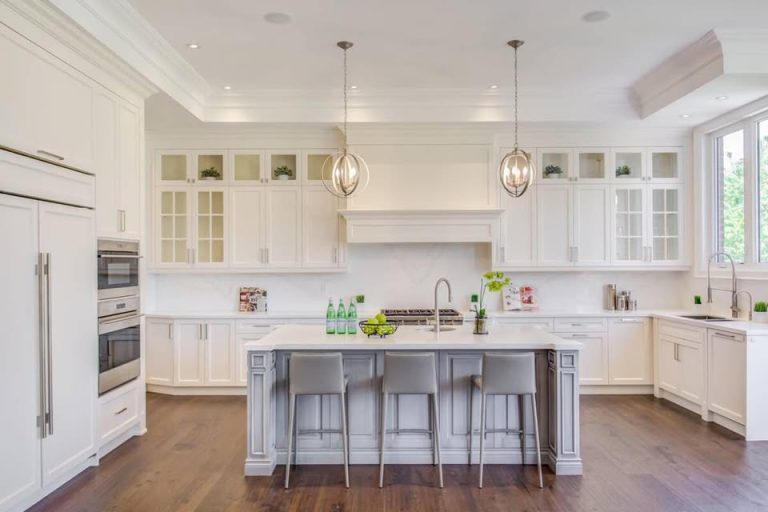
A well-designed island can easily become the center of an open kitchen. I always focus on size and spacing. An island that is too large can block movement, while a properly sized one improves flow and usefulness.
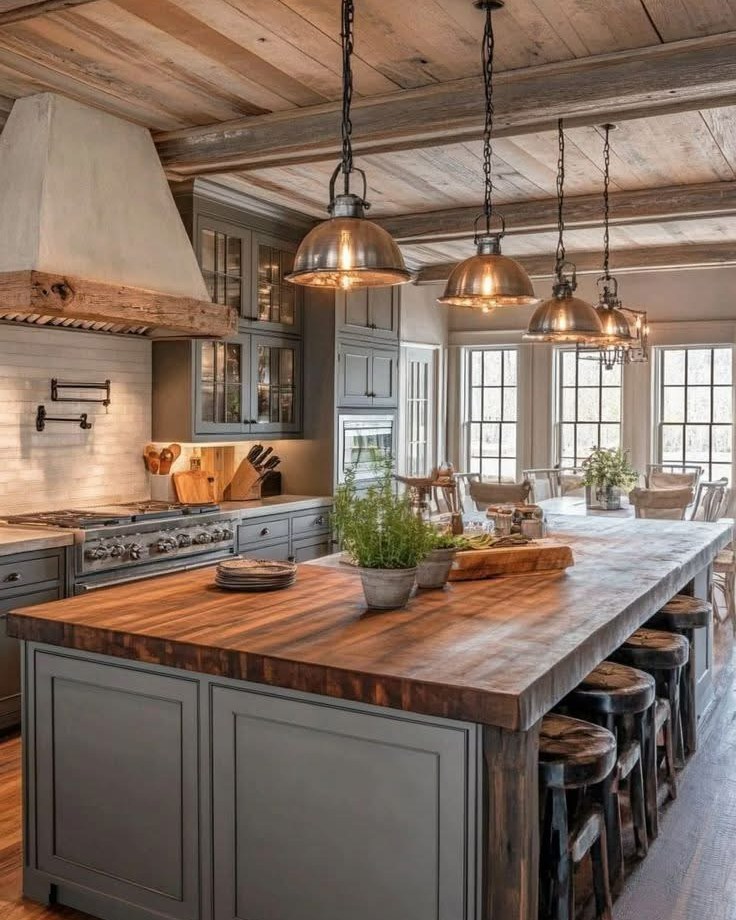
For materials, I prefer quartz or natural stone with smooth waterfall edges. Hidden drawers and built-in appliances like microwaves or wine coolers add function without clutter. Comfortable seating makes the island a great spot for meals or work.
In my experience, homeowners get the most value from kitchen islands that support multiple everyday activities in one place. A well designed island can make cooking, casual dining, homework, and even remote work feel more connected and convenient. That flexibility is one reason multi use kitchen islands continue to remain popular in modern remodels.
To complete the look, I suggest pendant lights above the island and LED lighting underneath. These details add warmth and depth to the kitchen.
8. Smart Living Room Solutions for Compact Indian Homes
In many Indian homes, the living room serves many purposes. Families live together across generations, guests visit often, and daily life happens in this one space. When people search for compact living room ideas in India, I always keep the center area open. This allows the space to work as flexible seating when needed. Storage is placed along the walls so movement stays smooth. To avoid a crowded look, I balance traditional details with calm finishes. I also plan shoe storage near the entrance so dust stays away from carpets.
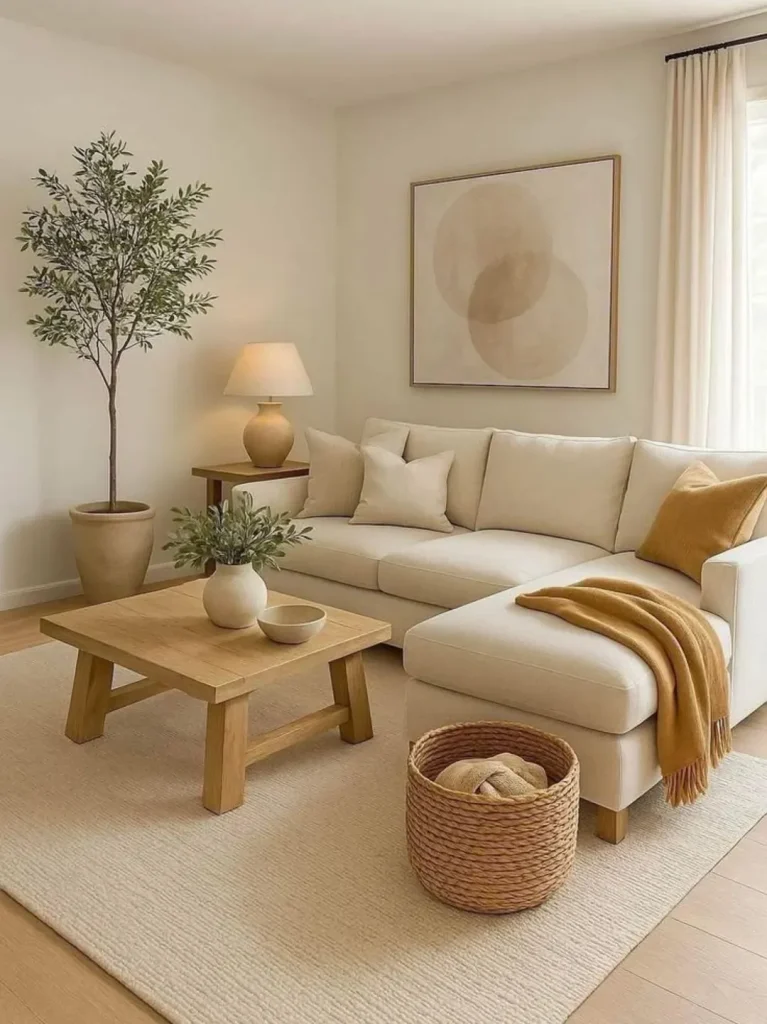
My basic setup includes a straight three seater sofa with washable covers, along with two armless chairs that can be stacked away. I add a bajot or a low table that works for serving tea or as a pooja table. Religious items are placed inside a shallow wall niche with doors. For electronics, I use a media unit with cane panels so heat can escape easily in warm weather. Lighting is planned in three layers. Ceiling lights, wall lights, and table lamps help change the mood for prayer, movies, or reading.
Stone or porcelain flooring is usually the easiest option to maintain, especially in busy living rooms. I also like using flat weave dhurries because they are lightweight, practical, and easy to clean. To keep the design feeling connected, I repeat brass accents in small details throughout the room instead of overusing them in one area. I prefer keeping most storage below eye level as well since it helps the space feel calmer and less crowded, which is especially important in smaller living rooms.
Near the entrance, I always include a covered tray for incense and matches, a slim umbrella stand, and a small shoe drawer. These small details help the room feel ready to welcome guests.
9. Practical Studio Apartment Designs That Feel Open
When readers ask about tiny studio apartment living room ideas, I design the space like a ship cabin. Every item has a purpose and fits away neatly. Instead of heavy partitions, I use rugs and lighting to divide areas. This keeps daylight and air flowing freely through the home.
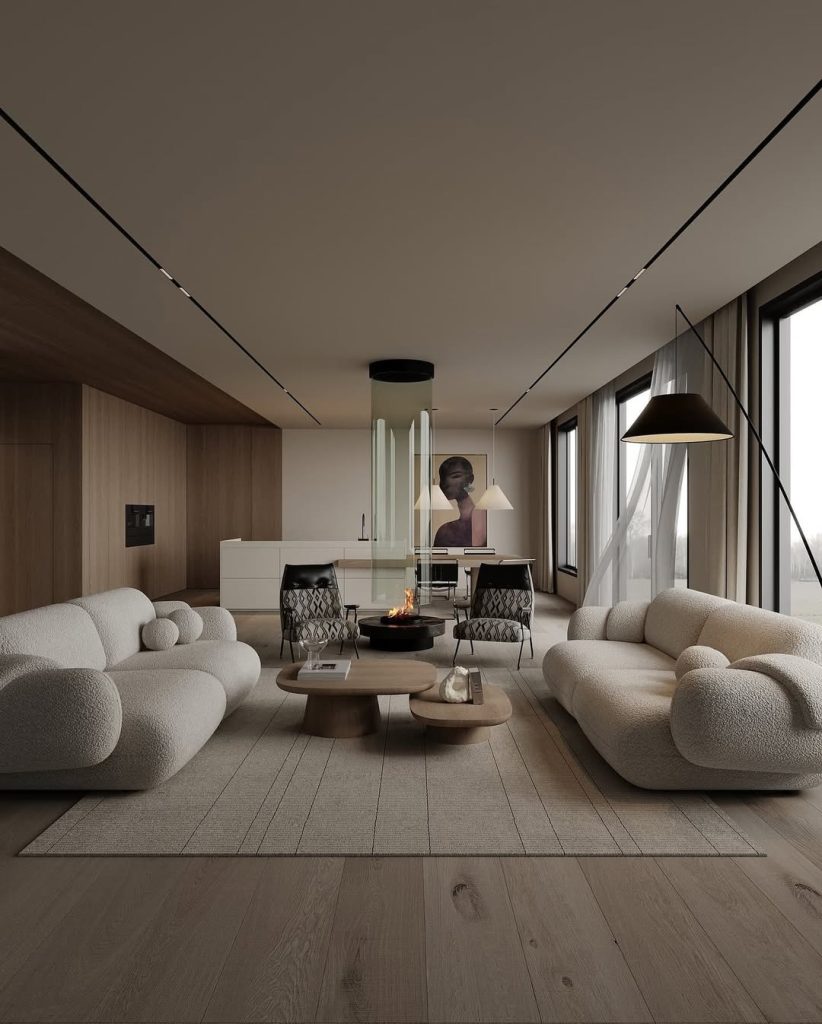
My preferred furniture includes a loveseat that converts into a bed, a nesting coffee table with a lift top, and a wall mounted fold-down desk. At night, the bed area can be closed using a ceiling-mounted curtain track that does not take floor space. I also add a storage ottoman for linens and a wall rail system with shelves and hooks that can be moved as needs change.
I personally find small studios more calming when the layout feels balanced and symmetrical. Simple details like matching side tables or similar lighting on both sides can make the room feel more organized and visually steady, even if one fixture is wall mounted. I also prefer hanging curtains closer to the ceiling because it naturally draws the eye upward and makes the entire space feel taller and more open.
I also added storage bins under the sofa with wheels and a magnetic board near the door for keys and headphones. These small tools make studio living much easier.
10. Space-Saving Layout Ideas for Small Living Rooms
Good compact living room layouts always start with movement. I mark clear walking paths of about 30 inches. Corners are kept open, and seating is moved slightly away from walls to avoid discomfort. This approach greatly improves small living room layouts.
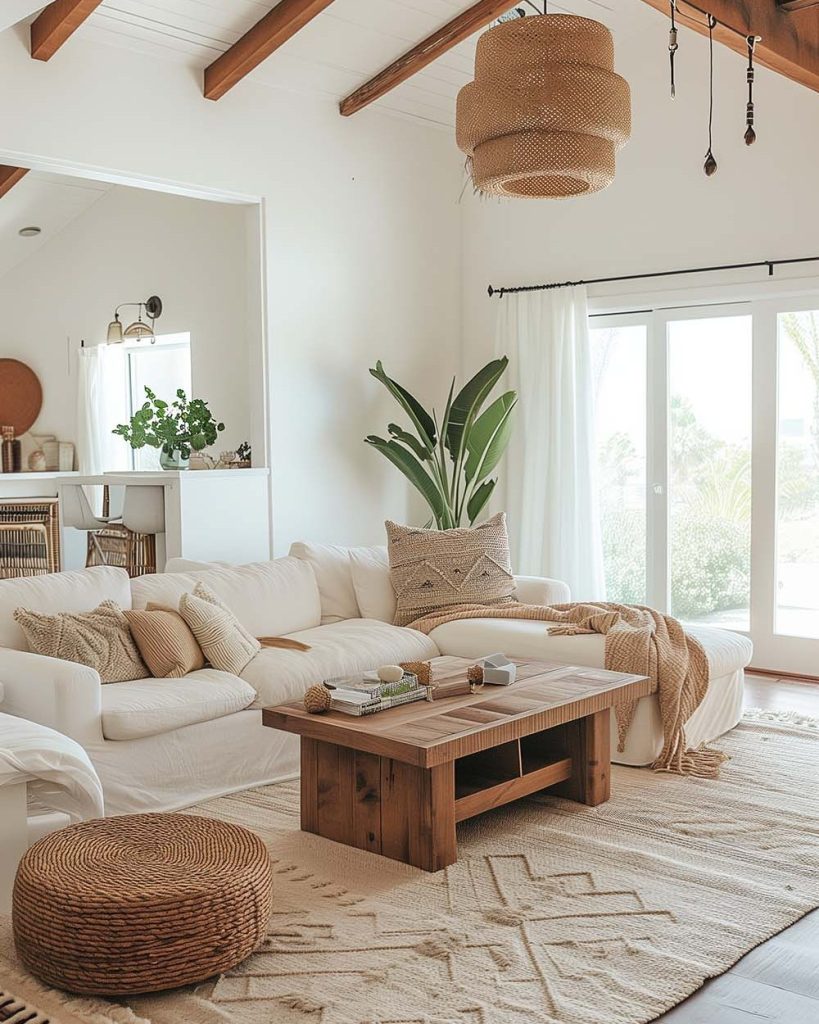
For planning, I often use an L-shaped arrangement with a light sofa and a slipper chair. In long and narrow rooms, two small sofas facing each other work well. Rugs are placed to support conversation areas, even if they need to be turned sideways. Wall lights save floor space, and a slim console behind the sofa works as a serving surface.
I have noticed that round tables usually work better than rectangular ones in tight spaces because they make movement easier and soften the layout. When a column or awkward corner stands out, I like turning it into something useful by adding a shallow shelf or small display area around it. I also prefer mixing different heights throughout the room, such as low seating, mid height tables, and taller artwork, because it helps the space feel more balanced and visually interesting.
Before finalizing any layout, I always check TV viewing angles, window clearance, and door swing space. These checks prevent most mistakes in small rooms.
11. Updated Compact Living Room Styles for 2026
My modern design approach for 2026 focuses on soft shapes and texture. For compact living rooms, I use rounded corners, fine textures, and low-gloss finishes. These choices look good in photos and feel comfortable in daily use. Colors stay muted so light becomes part of the design.
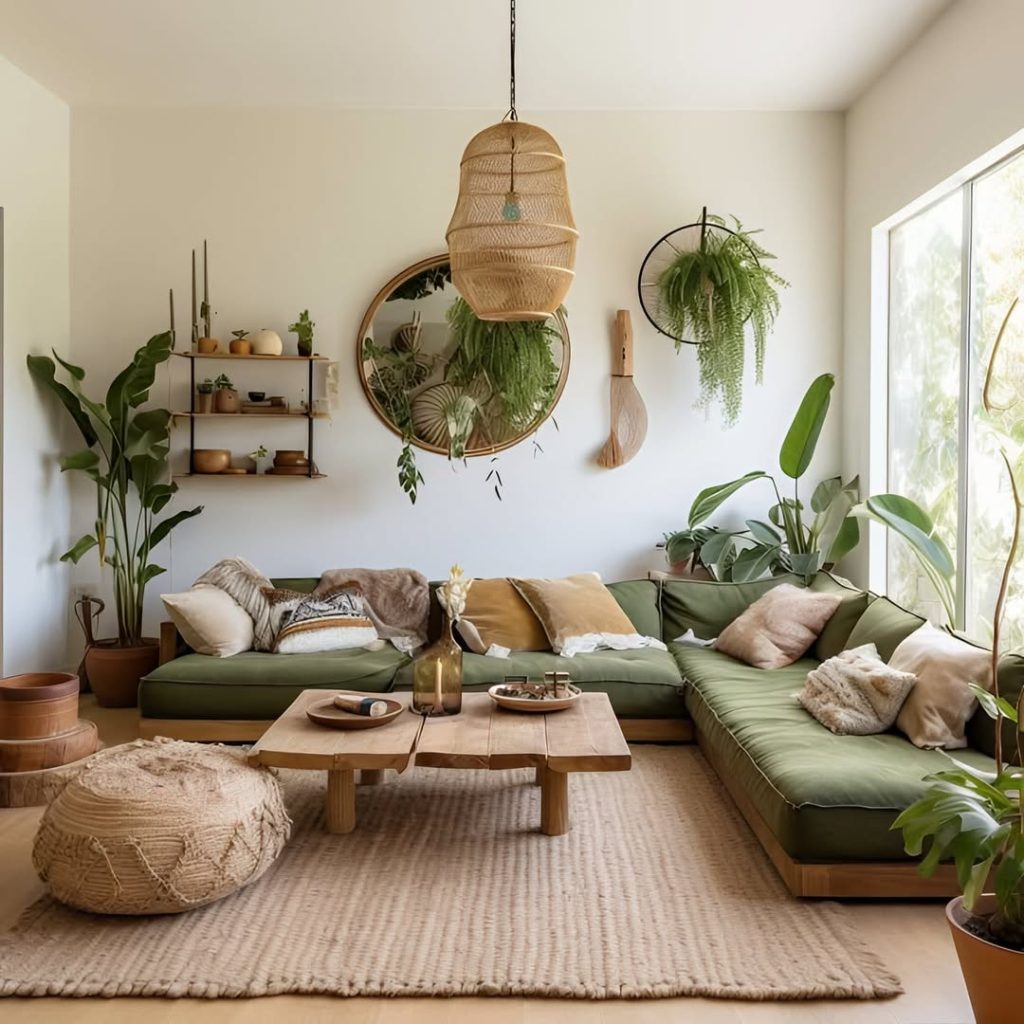
I prefer bench-style sofas with loose cushions, curved edges, and round coffee tables. Media shelves stay thin and close to the wall. Fabrics like textured linen and performance chenille work best. One sculptural floor lamp adds character. Wall wash lights help define edges and make the room feel wider.
To me, modern design in small rooms means restraint with one bold feature. This could be a stone table or a single large artwork. Cables are hidden and remotes are stored away.From my work agree that choosing the right scale matters more than adding decoration, and I see this work every time.
I also plan for sound comfort. Rugs with padding, curtains, and fabric wall panels reduce echo. When a room sounds calm, it also feels larger.
12. Sofa Choices That Maximize Small Living Rooms
Many clients ask for small sofas that still feel comfortable. I usually select sofas between 70 and 78 inches long. Slim arms and raised legs keep the floor visible and make the room look more open. This is one of the easiest ways to improve compact living rooms.
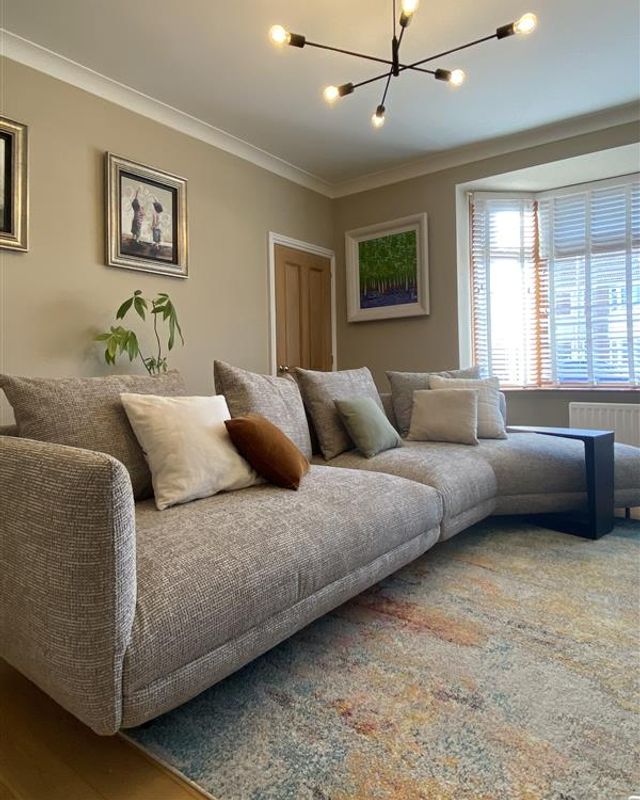
I like two-seater modular sofas, sleeper loveseats, and daybed-style sofas that double as lounges. These work well with a storage ottoman and a slim C-shaped side table. Cushions should feel soft but not sink too deeply. Durable fabrics are important for everyday use.
I have found that sitting with a more relaxed backrest usually feels more comfortable for everyday use, especially in smaller homes where furniture gets used constantly. I also recommend checking seat height while wearing your normal shoes because even small differences can affect comfort. Before buying larger furniture pieces, I always measure staircases, doorways, and elevators first, since dealing with returns or delivery problems can become expensive and frustrating.
Here is my quick sofa checklist. Arm width under 4 inches. Overall depth under 35 inches. Leg height at least 6 inches so robot cleaners can fit easily.
13. Professional Tips to Make Small Living Rooms Feel Bigger
When readers want expert tips for tiny spaces, I focus on visual tricks. Ceiling-height curtains, soft color layering, and large artwork help coordinate the view. These methods increase the feeling of space without changing the room size.
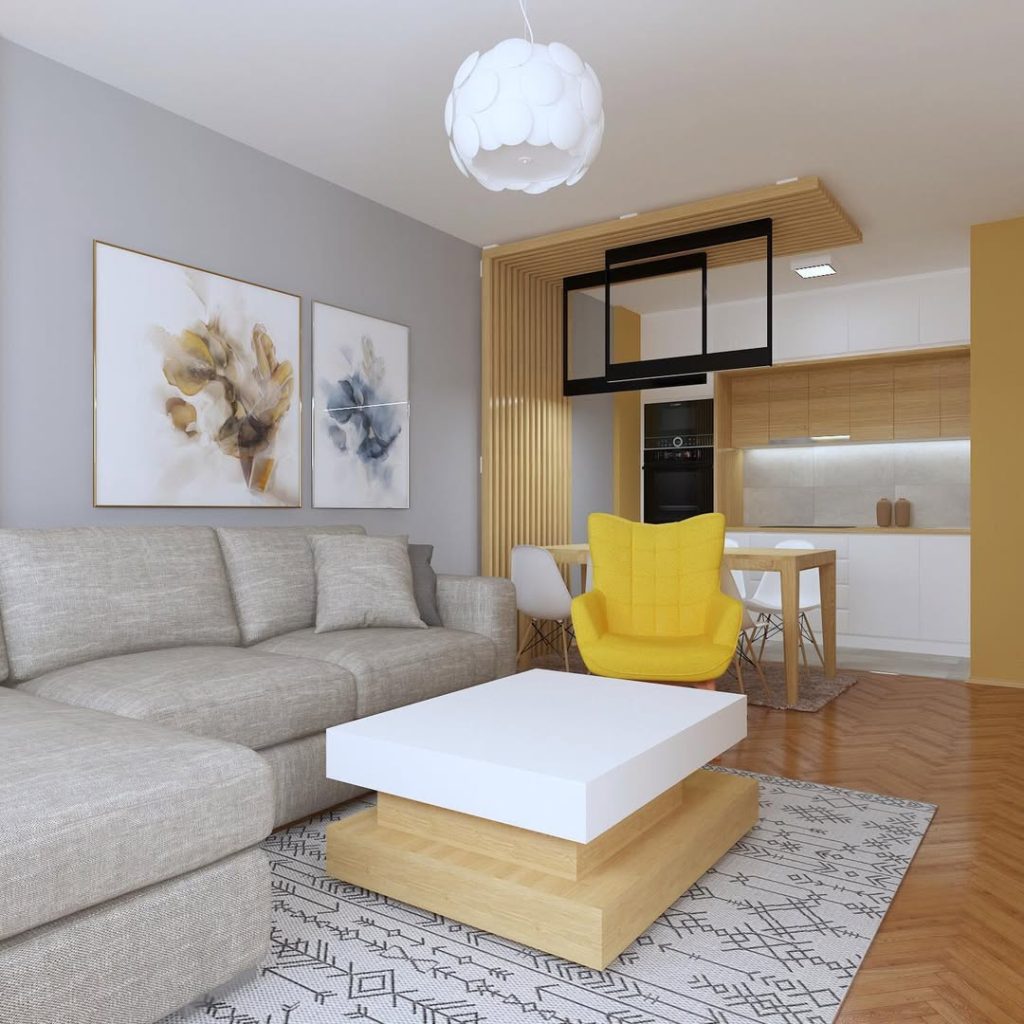
I limit wood finishes to two shades and repeat metal finishes for consistency. One main material keeps the look clean. Mirrors work best when placed opposite light sources. I use dimmers throughout and install curtain tracks wall to wall to stretch proportions. One large rug ties all furniture together.
I have seen many spaces improve simply by removing unnecessary items instead of adding more decor. If something no longer feels useful or meaningful, I prefer taking it out to create a cleaner and calmer environment. When styling shelves, I usually group items by color, shape, or height to keep the arrangement feeling balanced. I also leave some empty space because a room feels far more relaxing when every surface is not overcrowded.
At the end of the year, I suggest packing away extras and refreshing fabrics. Small homes work best when rhythm and order are maintained.
14. Blending Living and Dining Areas in Small Homes
When readers ask about combining living and dining spaces in compact homes, I design them as one flexible zone. Clear pathways and adaptable lighting allow the room to change purpose easily, especially in apartments.
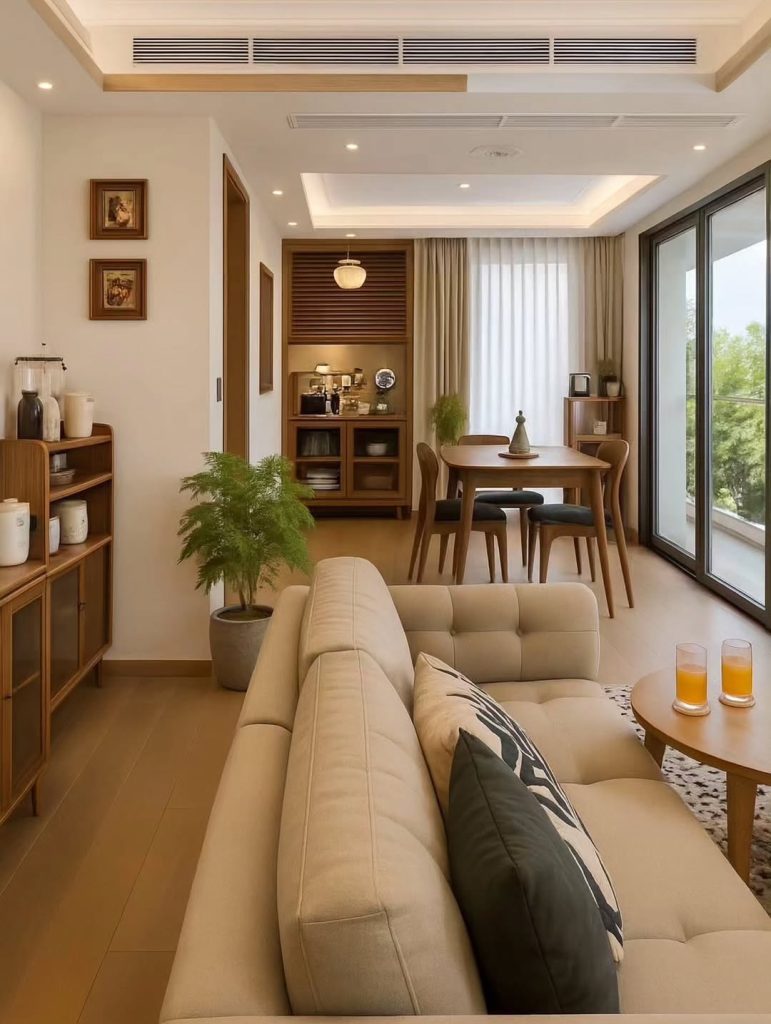
I recommend a drop-leaf or gateleg dining table with four stackable chairs. A straight sofa can be moved forward when extra seating is needed. A pendant light on a hook can shift between dining and coffee areas. A slim sideboard stores placemats and cutlery. A flat weave rug connects both zones into one unified look.
For me, elegance comes from consistency rather than adding too many different styles together. I prefer sticking to one main wood tone for tables and storage, one metal finish for lighting and hardware, and a fabric palette that feels connected throughout the room. In smaller multi use spaces, keeping materials and finishes consistent helps the design feel calmer, cleaner, and much more cohesive.
I also add folding wall hooks for spare chairs and a table grommet for laptop cables. This helps keep work time separate from meal time.
15. Fresh Kitchen Remodel Ideas to Try in 2026
When I plan kitchens, I always start with finishes and how the space flows. In 2026, most homeowners I work with want bold and flexible kitchens. They want one open space that supports cooking, working from home, and hosting guests. This often means making smart structural changes. I usually suggest opening the wall between the kitchen and dining area so the whole home feels connected.
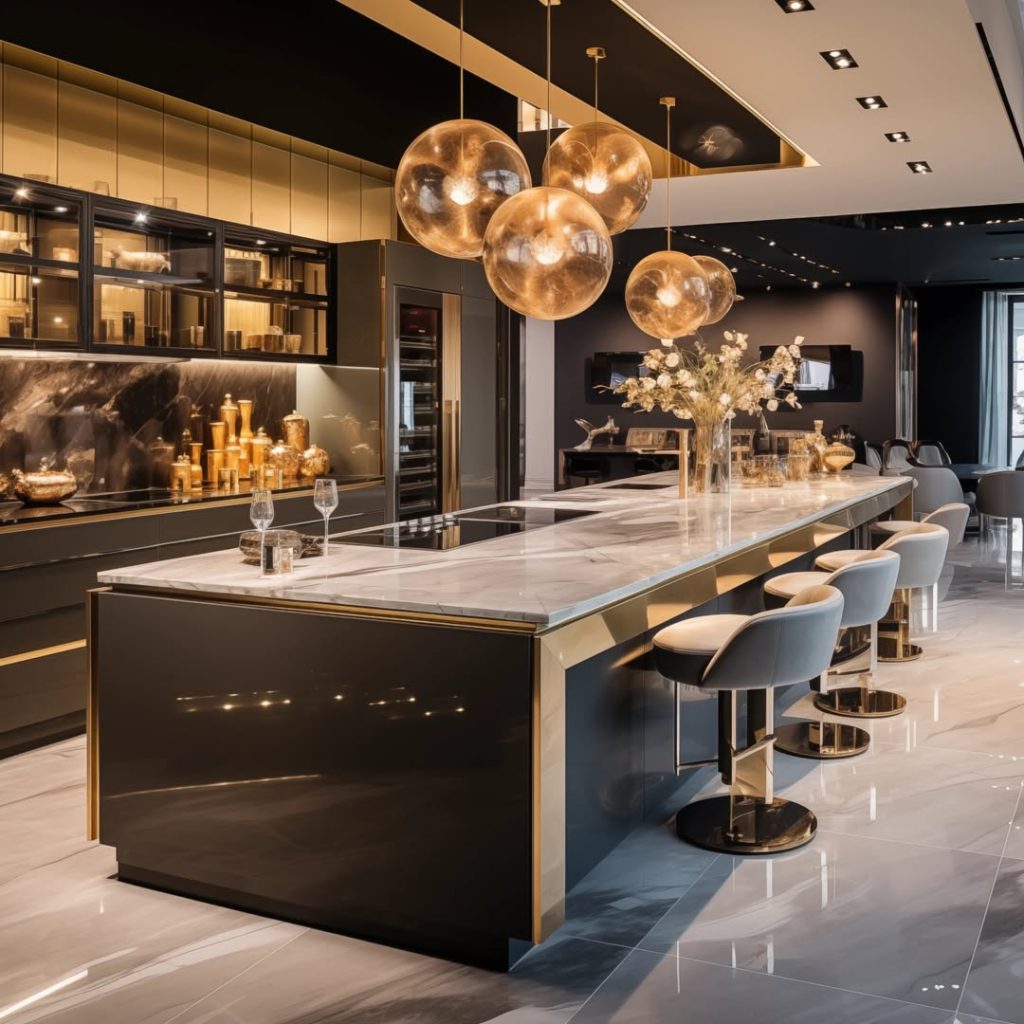
The quickest upgrades usually happen in bilevel and raised ranch homes. These layouts make it easier to bring in more light and create cleaner sightlines across rooms.
I often design a multi-use island that does many jobs at once. It includes built-in power outlets, a slide-in induction cooktop, a panel-ready fridge, and a shallow appliance garage. This keeps counters neat and clutter-free. On both sides of the fridge, I like adding tall pull-out pantries for balanced storage.
I also add a prep sink in the island and use a ceiling hood that sits flush. This keeps the view open. Seating is placed at different heights. I add two counter stools for quick meals and a small bench that extends toward the dining area.
The best remodels feel easy to live in. I often repeat the same stone on the counters and backsplash, then balance it with warm wood on the island. Many successful kitchens I have worked on use layered lighting. This includes task lighting, soft ambient light, and small accent lights. I usually install two small pendants instead of one large one, which feels lighter and more balanced.
One thing I always plan for is flexibility. I mark walls that could be opened later, plumbing that could support a second dishwasher, and cabinet runs that could switch to drawers in the future. This helps the kitchen grow with the family.
16. Budget-Friendly Kitchen Remodel Tips Without Cutting Corners
When clients ask for a budget kitchen remodel for 2026, I focus on layout first. I keep the plumbing where it is and spend money on the areas people touch every day. You can still get an open feel by widening one pass-through instead of removing a full wall.
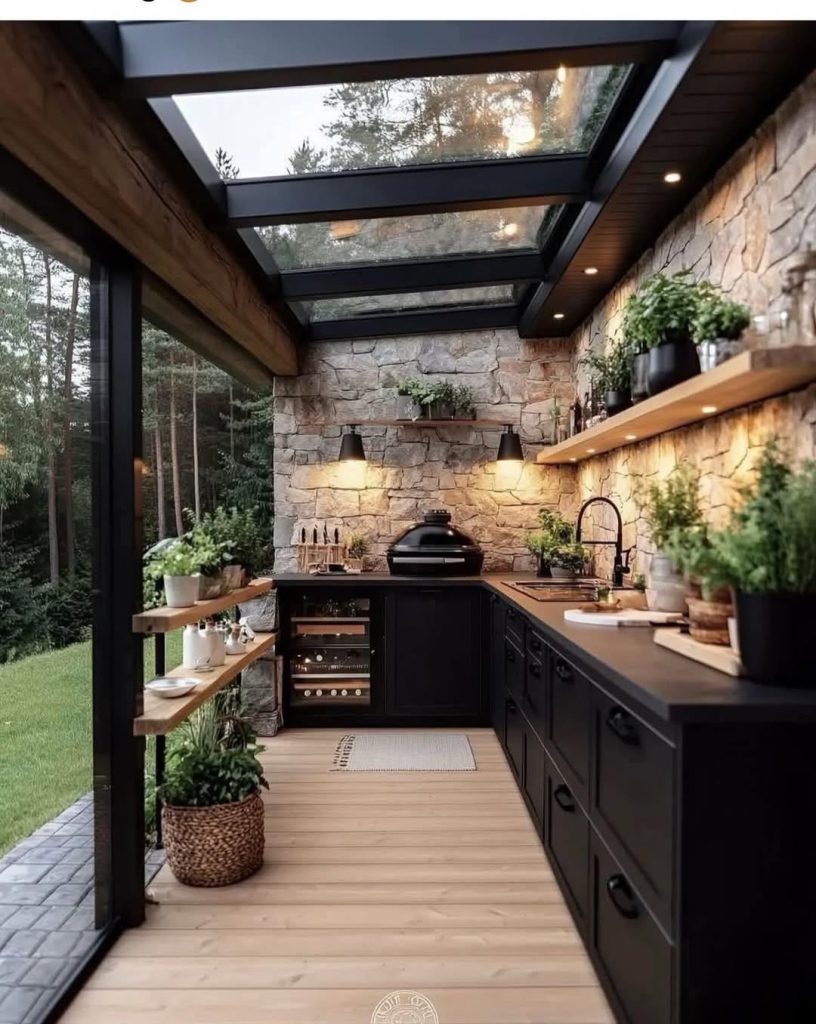
I often repaint existing cabinets using high-quality paint and add new doors, drawers, and updated hardware. This gives a fresh look without loud demolition.
My top priorities are a good faucet, soft-close drawers, and durable countertops. I usually recommend quartz or sintered stone in the main work area. On the other side of the island, I add a butcher-block top for the breakfast side.
For appliances, I mix price levels. I choose an induction range and an energy-efficient dishwasher, but pair them with a standard counter-depth fridge. If space is tight, a movable island on wheels works well and avoids custom cabinet costs.
I have helped clients completely refresh their spaces without major renovations simply by upgrading the lighting. Replacing outdated fixtures with high quality LED lights and adding dimmers can dramatically improve both the mood and functionality of a room. I also believe that practical upgrades like good lighting and durable hardware add far more everyday value than following short lived design trends.
I also do a reuse check. I list items that can be refreshed, like turning a backsplash into open shelving. I give painters a clear step-by-step plan for sanding, priming, and spraying so everything looks factory-finished. This keeps quality high and budgets under control.
17. Smart Kitchen Remodels That Use Every Inch Wisely
Small kitchens work best when every inch is planned carefully.
My go-to setup includes drawer-based cabinets, slim pull-outs for oils near the stove, and drawers hidden in the toe-kick. When an island will not fit, I use a peninsula instead. I protect tight corners with waterfall edges.
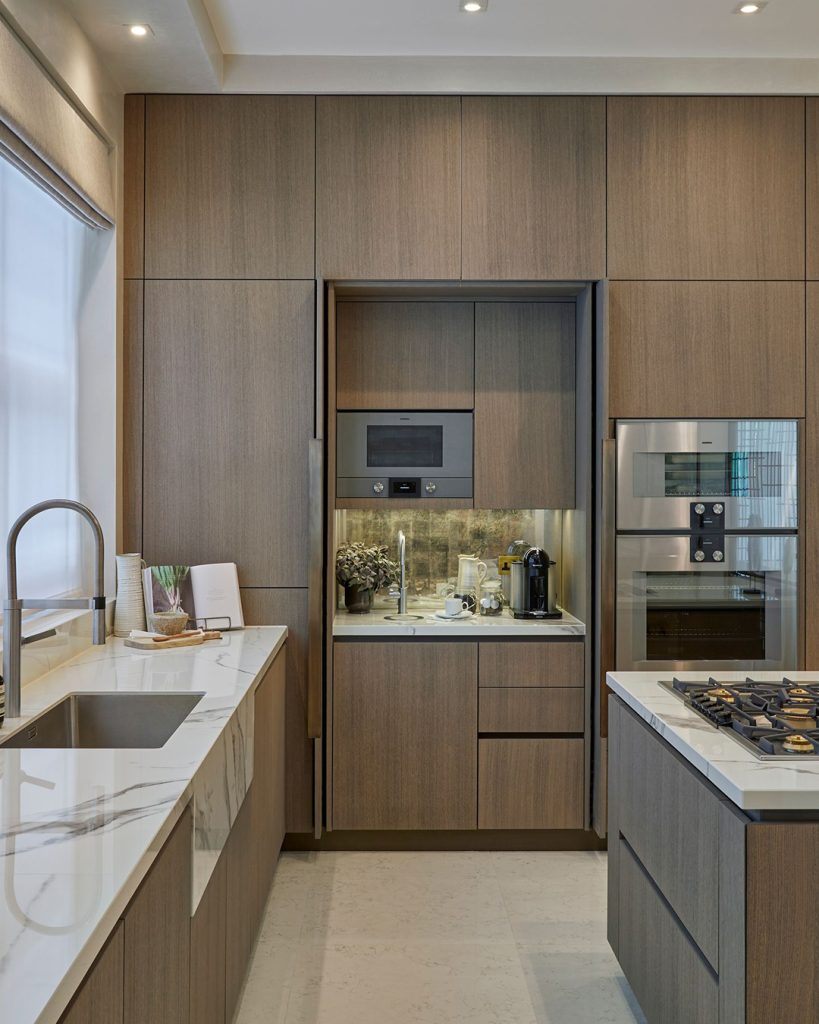
For seating, I choose slim stools with no backs that slide under easily. A narrow console table behind the sofa can double as a serving spot between the kitchen and living area.
Visual flow plays a huge role in making a space feel larger and more open. I often match floor tones closely with cabinet colors and choose low contrast countertops to create a smoother, more connected look. I also prefer smaller tiles with subtle edges because they help grout lines blend in rather than stand out. These simple choices reduce visual breaks and make the entire room feel cleaner and more spacious.
I also create a storage map. I assign spots for spices, bulk food, small appliances, cleaning supplies, and pet items. A written plan helps families keep the system working long-term.
18. Kitchen Remodel Inspiration Based on 2026 Trends
For 2026, I see cooler colors, rounded island edges, ribbed or fluted wood, and soft technology becoming popular. Think touch-open cabinets, hidden ceiling vents, and built-in charging drawers. These ideas work especially well in ranch-style homes.
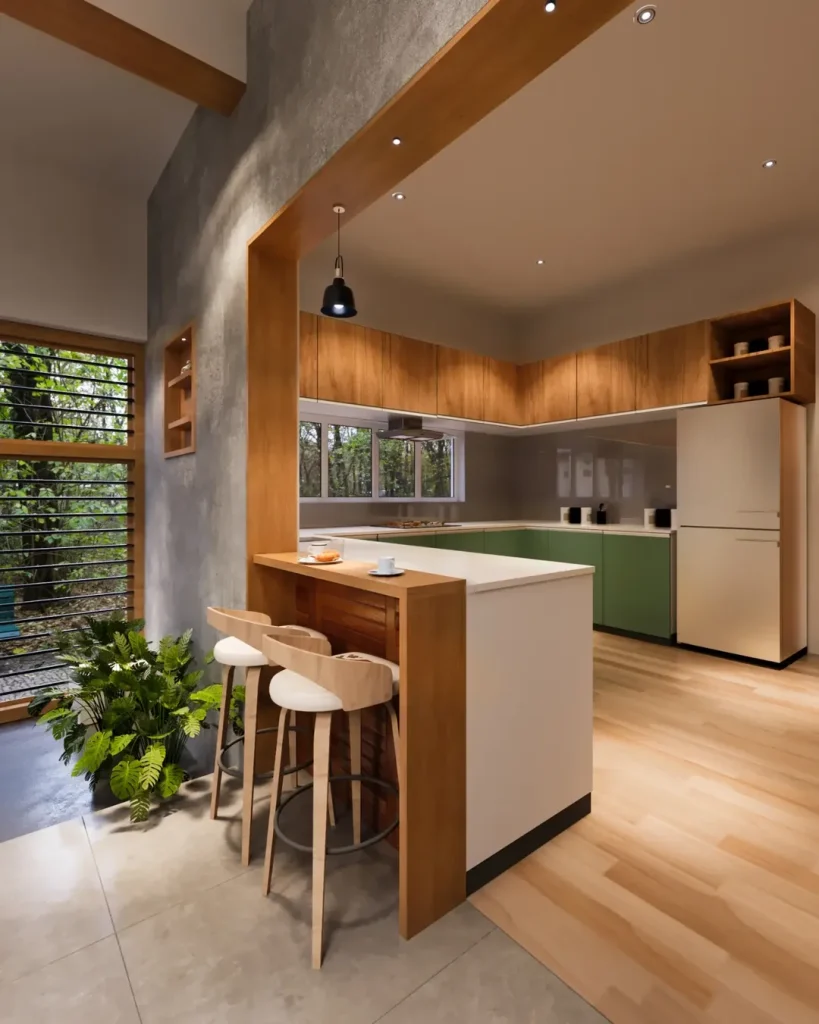
On islands, I prefer rounded corners for easier movement. I like a textured wall behind the range and a full-height backsplash behind one open shelf for display. Hardware stays simple with slim pulls or cut-out grips.
I usually add woven barstools for warmth. Floors are often wire-brushed oak paired with satin nickel or soft black finishes to keep things balanced.
I believe trends should always have a practical purpose instead of being added just for appearance. Rounded edges can make a kitchen safer for kids and more comfortable in tight spaces, while textured walls are great for hiding small marks and splashes. I also find that one statement shelf is much easier to maintain than filling a room with too many decorative pieces. I prefer keeping cabinet layouts simple and timeless, then adding personality through lighting, stools, paint colors, or smaller accents that are easier to update later.
I also include a care plan. I explain how to maintain plaster finishes, which cookware works with induction, and how to protect fabric seating. Trends last longer when they are easy to maintain.
19. Kitchen Remodeling Methods That Change the Look Completely
When I talk about advanced remodeling techniques, I mean changes that reshape how the space feels. This includes opening ceilings, adjusting floor plans, and improving sightlines. In bilevel and split-level homes, I often shorten walls to create a clear line between the entry, kitchen, and living room.
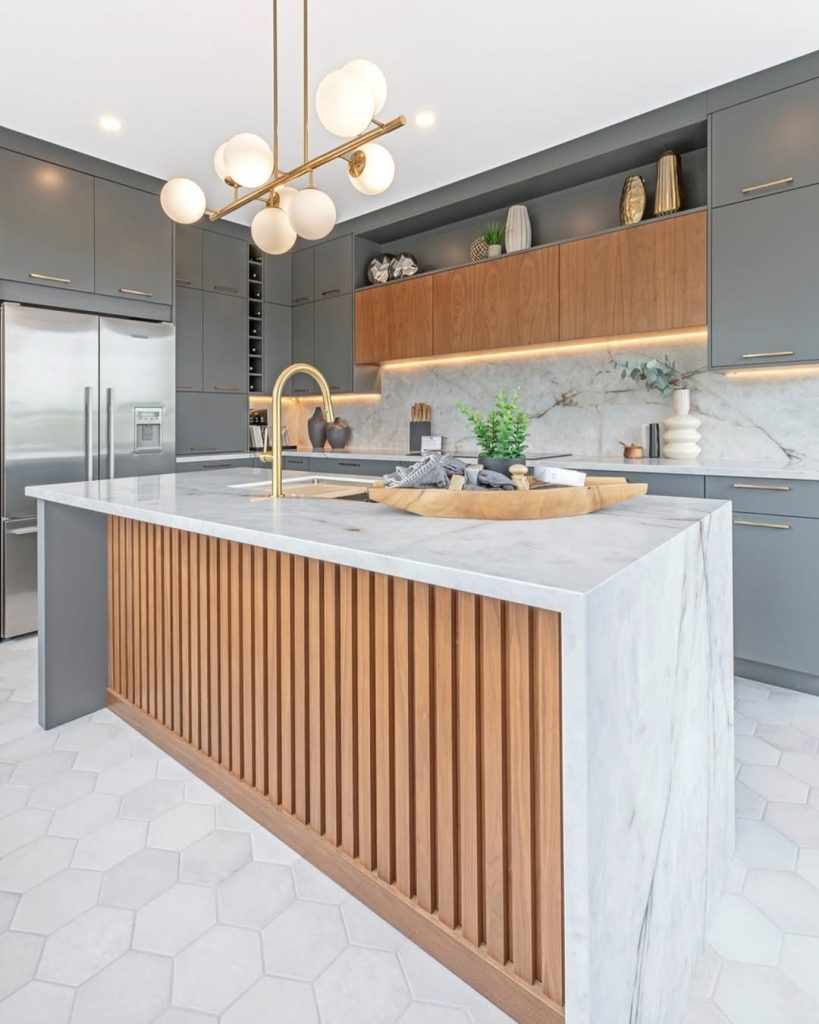
I organize materials by use. Heavy-use areas get durable stone. The wall behind the range gets heat-safe surfaces. Touch points like stools and handles use warm wood.
Lighting is planned in three layers. I also add a small art light to highlight the range wall. Daily clutter stays hidden with a recycling station and a concealed charging shelf inside a pantry door.
Over time, I learned that proportions matter more than decoration. Cabinet widths, clean reveal lines, and consistent hardware make kitchens feel custom. Many skilled cabinetmakers in the US follow this rule, and I apply it to every project.
I also plan for sound. I use soft rugs, fabric seating, and felt pads under furniture so open kitchens do not feel noisy.
20. Kitchen Remodel Design Ideas for Modern Living
When designing modern kitchens, I see them as social spaces. They support cooking, technology, and wellness. Low dividers and large glass openings help people talk and share views. In ranch homes, I often line the island with the patio to connect indoors and outdoors.
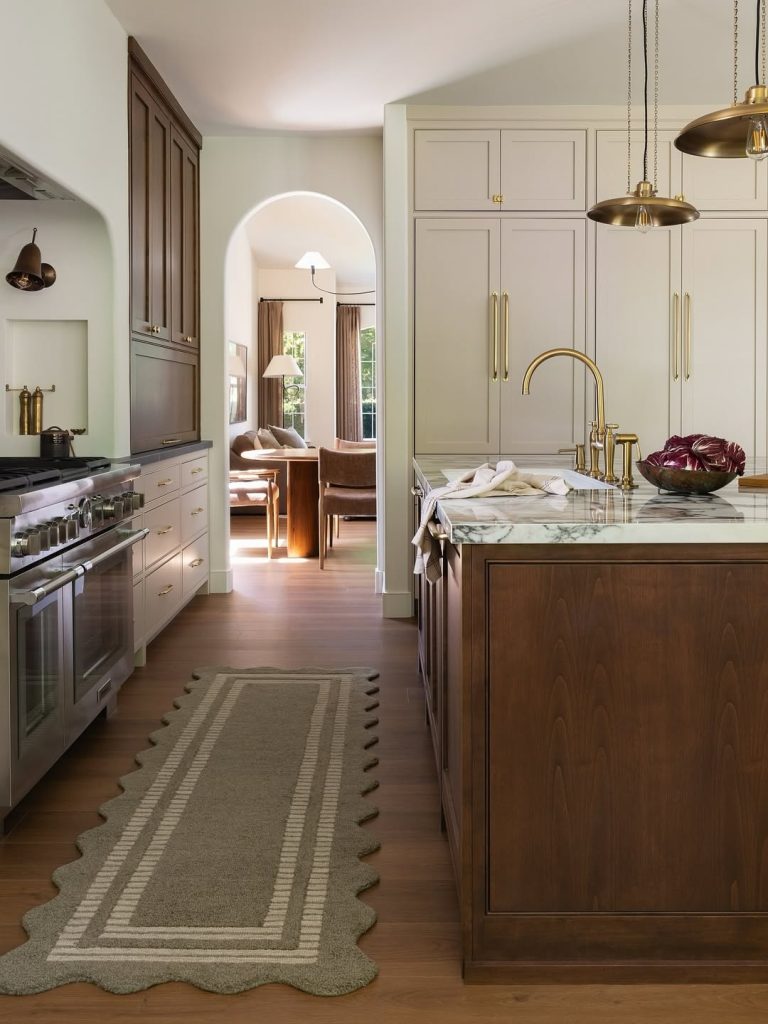
I recommend induction cooking for safety and speed. I include filtered water taps, built-in compost bins, and tall pantries with airflow. Seating usually includes two padded stools and a bench with storage.
I add a small prep sink on the island so multiple people can cook while the main sink handles dishes.
Wellness is now part of every design brief I create. I use dimmable lighting that follows daily rhythms and low-VOC finishes. I often suggest stress the importance of good ventilation. I prefer quiet but powerful hoods that work well without blocking views.
I also plan for future tech. I run extra conduit between the panel, island, and ceiling so upgrades like smart lights or a second oven can be added later without major work.
21. Kitchen Remodel Trends From 2025 That Will Last Beyond 2026
Looking at kitchen remodel trends from 2025 that are still strong in 2026, I see textured neutrals, slim cabinet frames, and built-in handles staying popular. Open layouts with clear pathways remain a favorite, especially in ranch and split-level homes. These ideas feel timeless and warm.
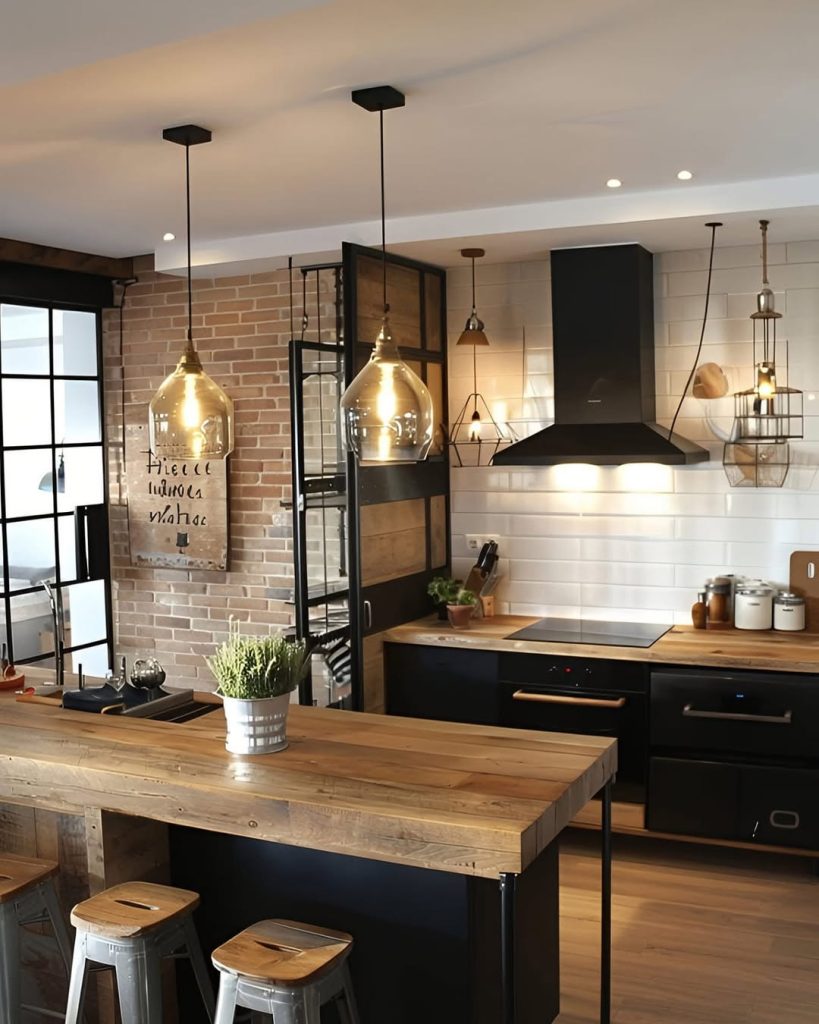
I often design a clean work surface with a flush induction cooktop, a hidden appliance garage, and a tucked-away breakfast bar. Curved seating areas and a sturdy wood edge add comfort.
In smaller homes, a peninsula with a 12-inch overhang creates the same social feel as an island.
I prefer refining designs instead of replacing everything. The best 2025 ideas work when you reduce hardware and focus on touch-friendly materials. I keep the base colors calm and add life with plants and artwork that connect with the living room.
I also plan for seasonal changes. I include one open shelf and a pinboard so decor can change without damaging cabinets.