Open Kitchen Living Rooms for 2026 – Fresh and Practical Layout Ideas
Open kitchen, dining, and living room designs keep changing how we plan our homes. I have personally seen how these layouts make daily life easier and more social. The big question is how to connect the kitchen, dining area, and living room without putting up walls, while still keeping the space warm and welcoming. In 2026, family homes and apartments are focusing more on comfort, flow, and smart design. In this guide, I will share the key layout and interior ideas that make open kitchen living rooms stylish and easy to use for the year ahead.
1. New Directions in Open Plan Kitchen Dining Living Rooms
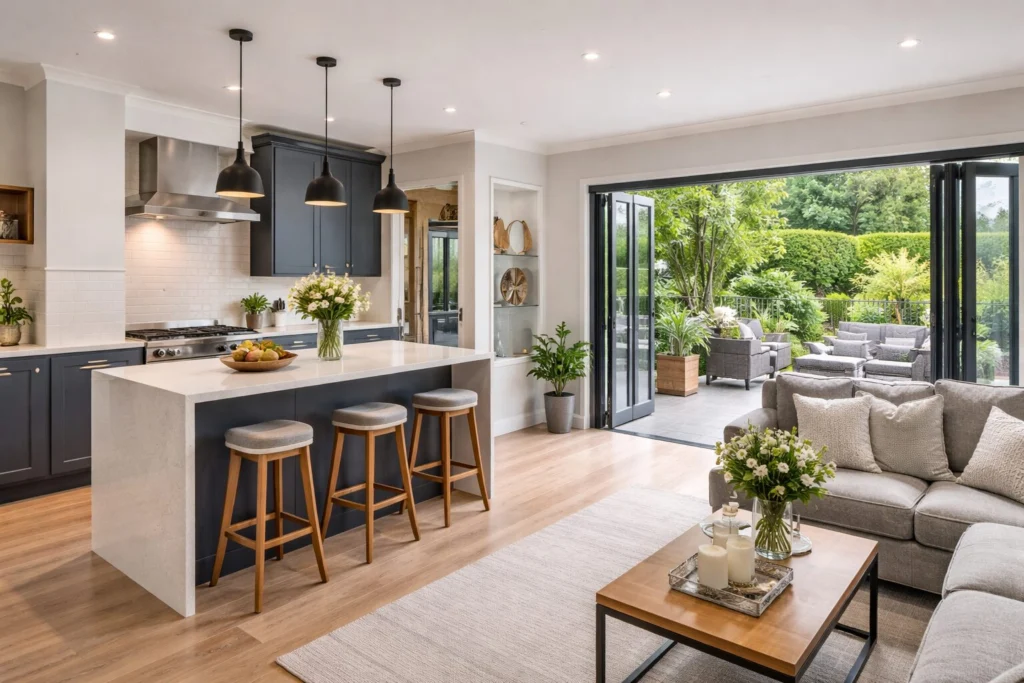
Open plan kitchen dining living rooms are now a core part of modern home design. In 2026, these layouts are shaped around flexibility, good daylight, and a well-balanced setup. From what I have seen, homes now feel more connected and interactive. People want spaces where cooking, eating, and relaxing all happen together without feeling cramped. This layout helps families spend more time together in one shared area, which makes everyday life feel simpler.
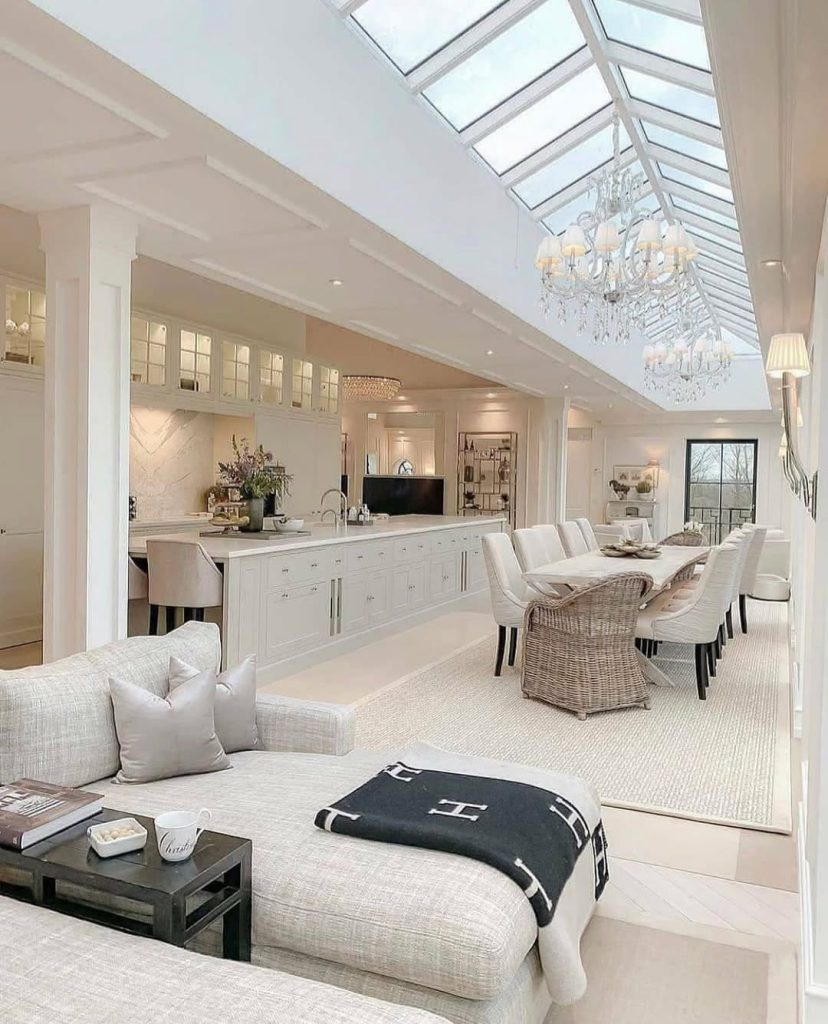
When I design these spaces, I focus on creating clear zones while keeping everything visually connected. The kitchen, dining, and living areas should share similar materials and colors so they feel unified. I often recommend using an L-shaped sofa or modular seating to gently separate areas without blocking the view. Rugs and lighting also help mark dining and lounging zones without using walls. I personally like movable pieces such as extendable tables or rolling kitchen islands because they make the space flexible for guests. Based on my experience, natural materials like wood, stone, and soft fabrics add a timeless and modern feel that lasts for years.
I also feel this part should talk more about small homes. Open layouts work very well in apartments when designed carefully. At the same time, large open spaces need thoughtful planning so they feel warm and not overwhelming. Designing for comfort is just as important as designing for size.
A deeper look at how open layouts can support both compact apartments and spacious homes would make this topic even more useful.
2. L-Shaped Family Rooms with Built-In Kitchen Layouts
In my recent projects, L-shaped open family rooms with kitchen and dining areas have become very popular. This layout makes smart use of corner space and allows smooth movement between zones. It works well in both large houses and smaller apartments. Even without walls, the L-shape naturally separates cooking from relaxing while keeping everything connected. It creates a strong sense of togetherness without feeling messy.
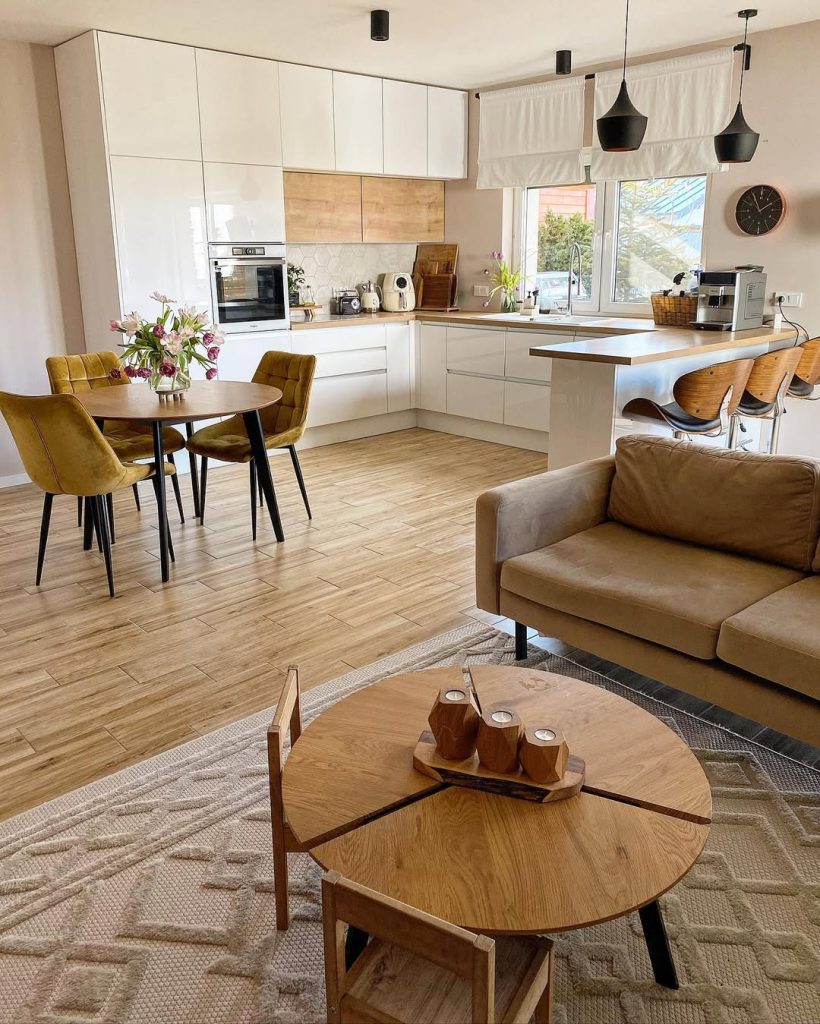
For furniture, I usually choose low-height pieces so nothing blocks the view. A built-in bench in the dining corner adds charm and saves space. Modular shelving works well for storage and decoration. Placing the sofa along the longer side of the L-shape creates a beautiful view toward the kitchen. Soft lighting under cabinets helps improve comfort and keeps the space visually connected.
What I love most about this layout is how practical it is. L-shaped layouts stay popular because they combine openness with everyday function. I find this especially useful for family homes where visibility and easy movement matter.
For extra inspiration, this section could also include examples from modern countryside homes or semi-open house designs that use this shape successfully.
3. Painting Open Floor Plan Kitchens and Living Rooms in 2026
Choosing paint colors for open kitchen and living rooms in 2026 is all about harmony. I focus on colors that connect the whole space visually. Warm neutrals mixed with soft greens or earthy clay tones help balance energy and calm. These color choices make the space feel open while still adding character and depth.
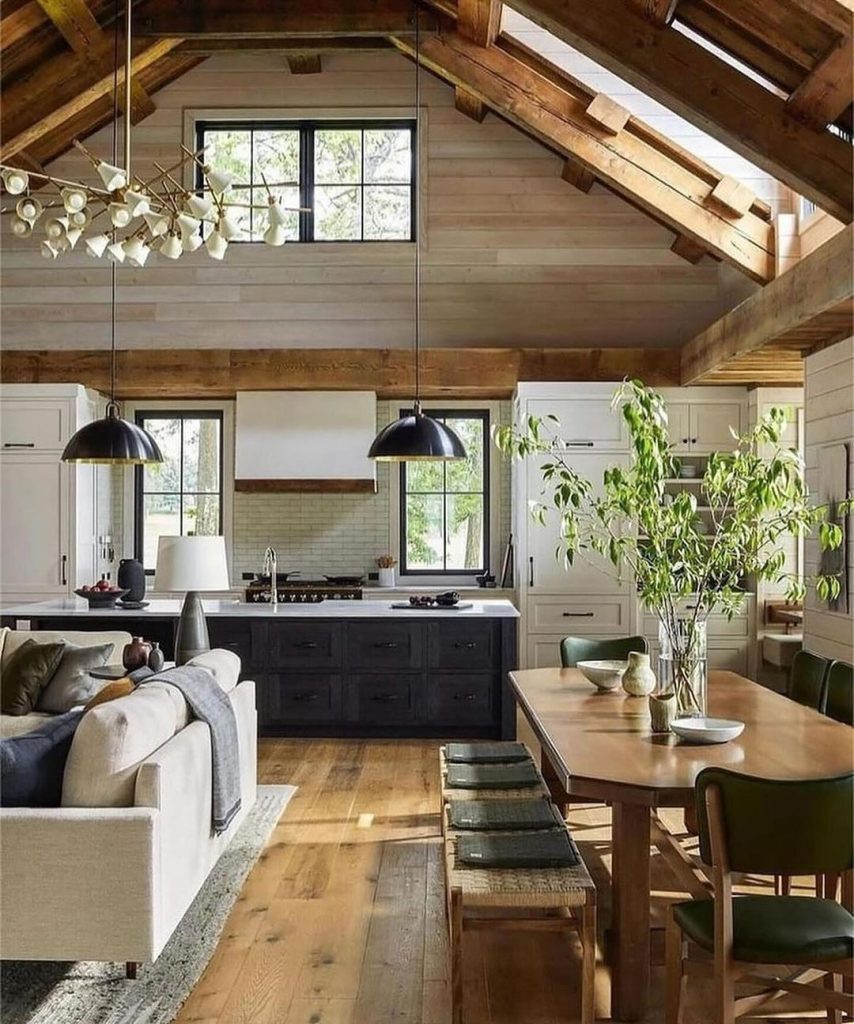
I often use color changes to gently define each area. For example, soft beige in the dining space and muted green tones in the kitchen work beautifully together. Walls, trims, and décor in warm white keep everything flowing smoothly. My main rule is that colors should look good from every angle and connect naturally across the room.
Color specialists are seeing a return to warm and balanced tones. This matches exactly what I see in real homes. Choosing colors that work well in daylight and artificial light helps the space stay stylish for many years.
This section could be even better with a simple guide on where to place accent walls to add depth and highlight architectural features
4. Smart Design Tips for Modern Open Plan Family Rooms
When I work on open plan kitchen dining living family rooms, my goal is to tie everything together using shared materials and finishes. A smooth floor plan helps families feel connected while still keeping clear zones. Using common textures like wood or polished concrete helps unify the whole space.
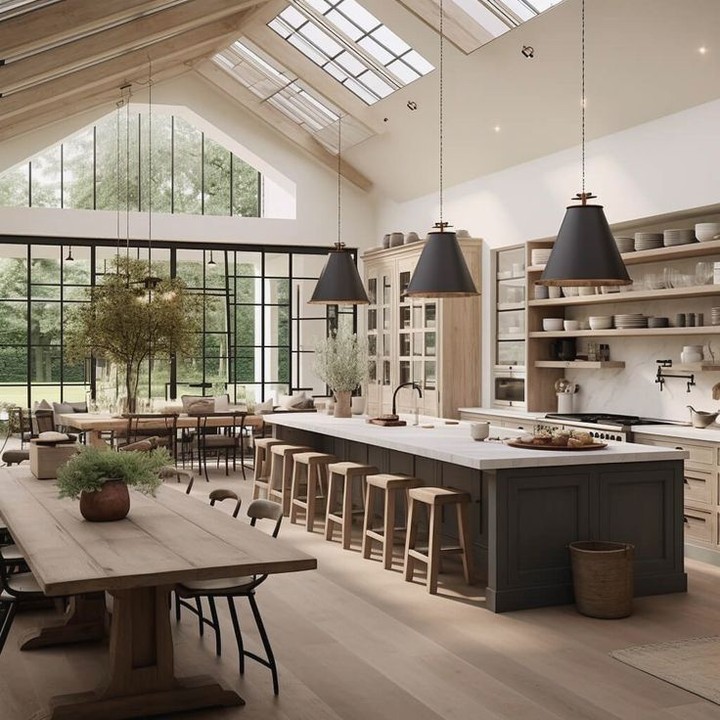
I like combining kitchen storage, tall cabinets, and living room furniture into one visual system. A neutral sofa with textured cushions and a large rug anchors the living area. The dining table becomes a strong focal point in the center. Furniture is a great option when you want good style without overspending.
Lighting makes a huge difference. From my own projects, layered lighting completely changes how an open space feels. Mixing ceiling lights with statement pendant lights helps the room transition smoothly from day to night. With smart lighting systems recommended adjusting the mood becomes easy and practical.
Adding more tips for small city apartments would make this section even more helpful for readers living in urban spaces.
5. Styling Small Open Plan Kitchen Living Rooms the Right Way
Designing a small open kitchen living room requires careful planning. Every part of the space should be useful without blocking movement. I often use reflective surfaces, glass dividers, and foldable furniture to make the room feel bigger. The key is staying open while avoiding clutter.
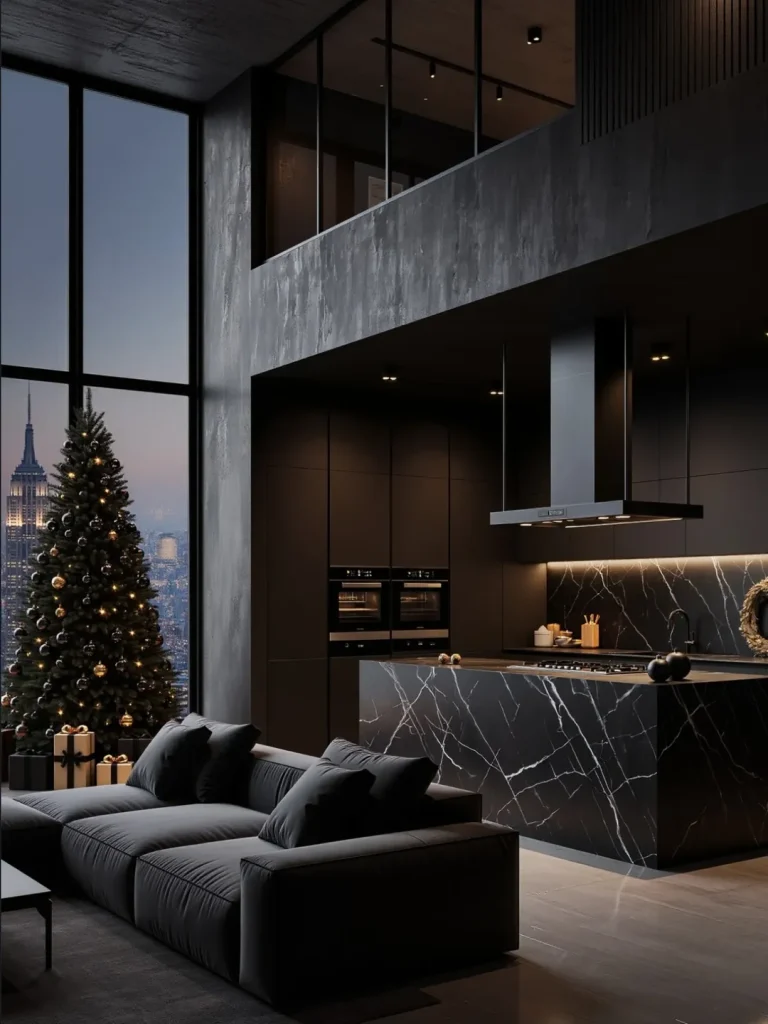
Furniture choices matter a lot. Slim sofas with visible legs help keep the room feeling light. Rounded dining tables reduce visual crowding. Modular shelves and hidden storage also help maintain a clean and modern look while maximizing space.
From what I have seen, neutral colors and simple décor make small spaces feel larger. Uusing rugs and different lighting styles is an easy way to define zones without walls.
6. Kitchen Ideas for Open Living Rooms That Feel Light and Calm
My approach to kitchens in open living rooms is to keep everything bright and purposeful. Every item should serve a function while supporting a clean look. I usually recommend mixing open shelves with closed cabinets so the kitchen feels open but stays organized.
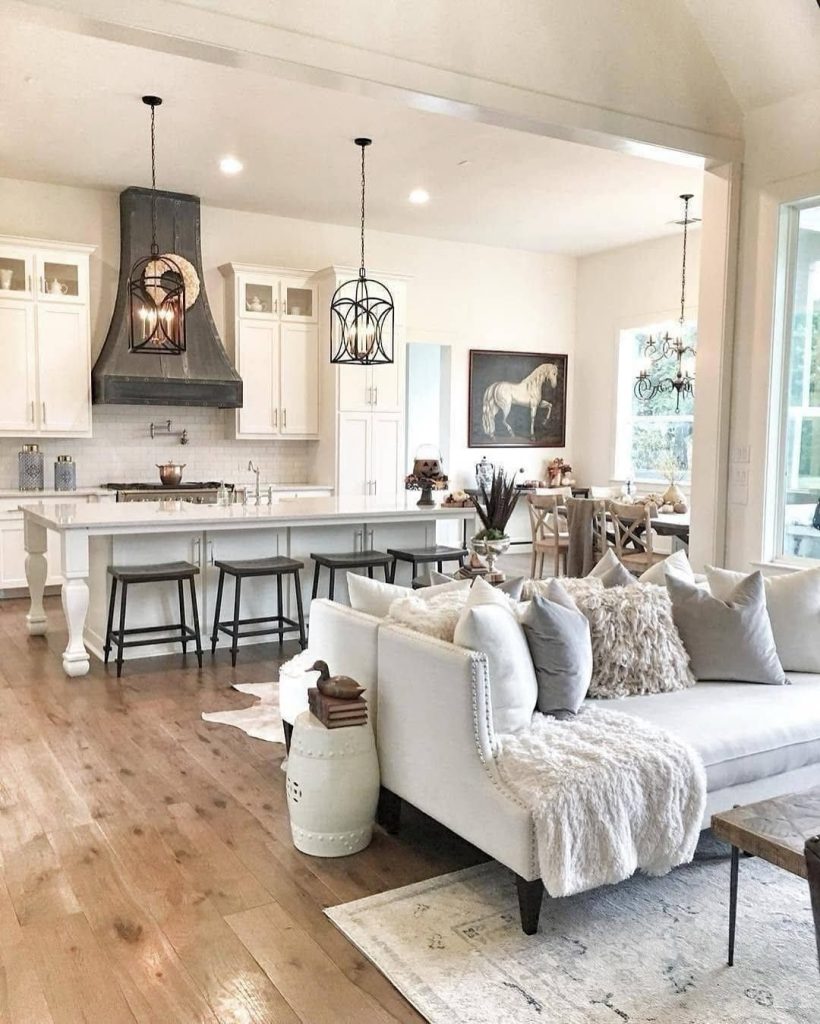
Furniture should feel simple and well-matched. A clean-lined sofa, a dining table that fits the space, and finishes like light wood, white stone surfaces, and soft metal details all help reflect light. Built-in appliances keep the design smooth and uncluttered.
For me, balance is the key. I like to pair low furniture with higher ceilings to create a sense of visual harmony. When I need to separate areas, I prefer using glass dividers or soft panels so the spaces stay connected without feeling closed off.
This section could be stronger with added guidance on lighting choices and basic furniture layout diagrams to help readers visualize the setup.
7. Cozy and Inviting Color Ideas for Open Kitchen Living Areas
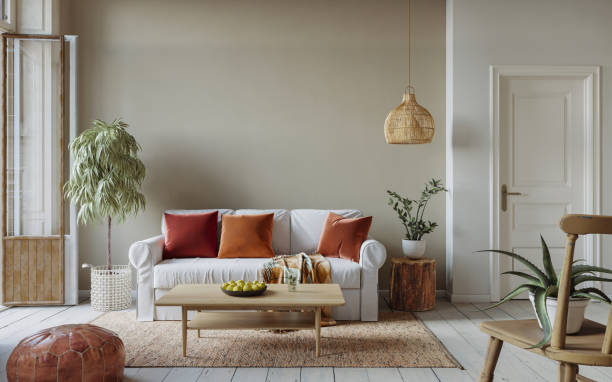
These color choices feel soft, calm, and welcoming. They work perfectly for relaxed open kitchen living rooms in 2026. warm shades help the space feel peaceful and comfortable. Colors like caramel, taupe, and ivory look natural and soothing. Small touches of rust or ochre add extra warmth. These tones help the dining and living areas feel open while still feeling cozy.
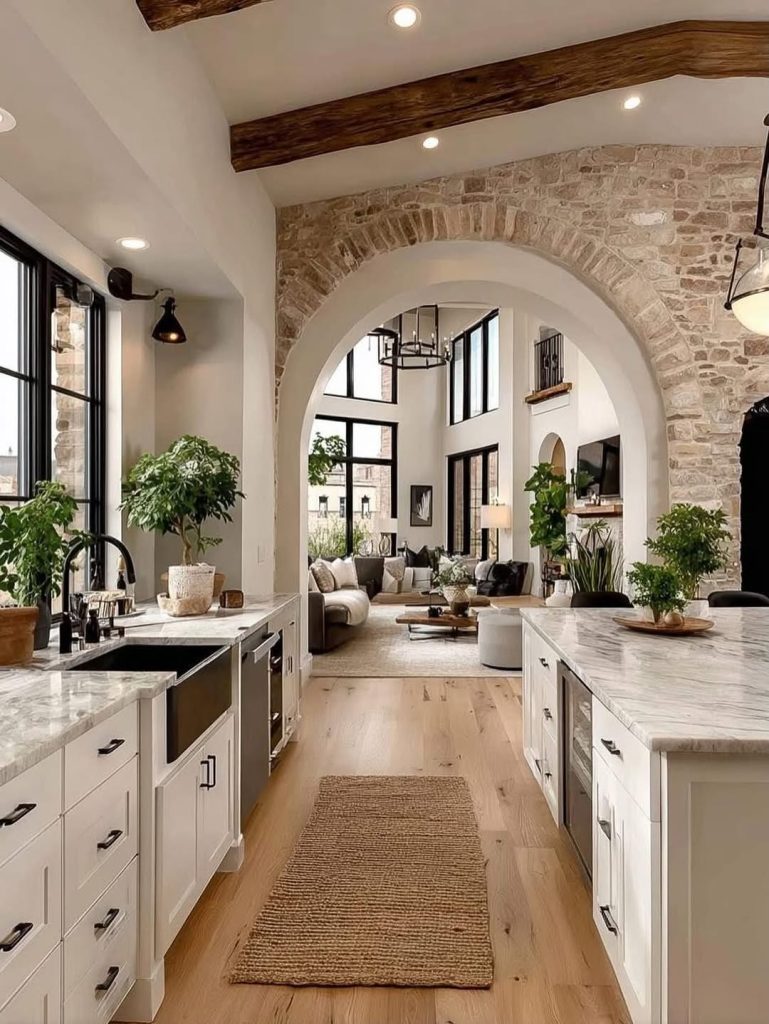
For this look, I always suggest furniture with soft textures. Wool rugs, linen curtains, and oak furniture blend nicely together. I also like using lights and cabinet handles with warm metal finishes. Brass or bronze adds depth and gives the room a refined feel without being too bold.
I have noticed that these color palettes can make even small spaces feel more elegant and balanced. When I design a room, I focus on layering colors and textures to add depth without making the space feel busy. I also choose materials that feel good to the touch, which helps open spaces feel warm while still keeping a light and airy look.
To enhance the decor even more, I would add plants or natural elements. They bring freshness and help the room feel alive.
8. Simple Ways to Join the Living Room and Kitchen Smoothly
I like to visually extend the living room into the kitchen. I first plan how people move through the space. After that, I choose finishes that flow well together. For 2026, I often use the same flooring across the area and a matching ceiling design. This makes the transition feel smooth and intentional. In open layouts, I keep windows clear and let the island connect the spaces instead of blocking them. This works especially well in apartments and small apartments where flow is very important.
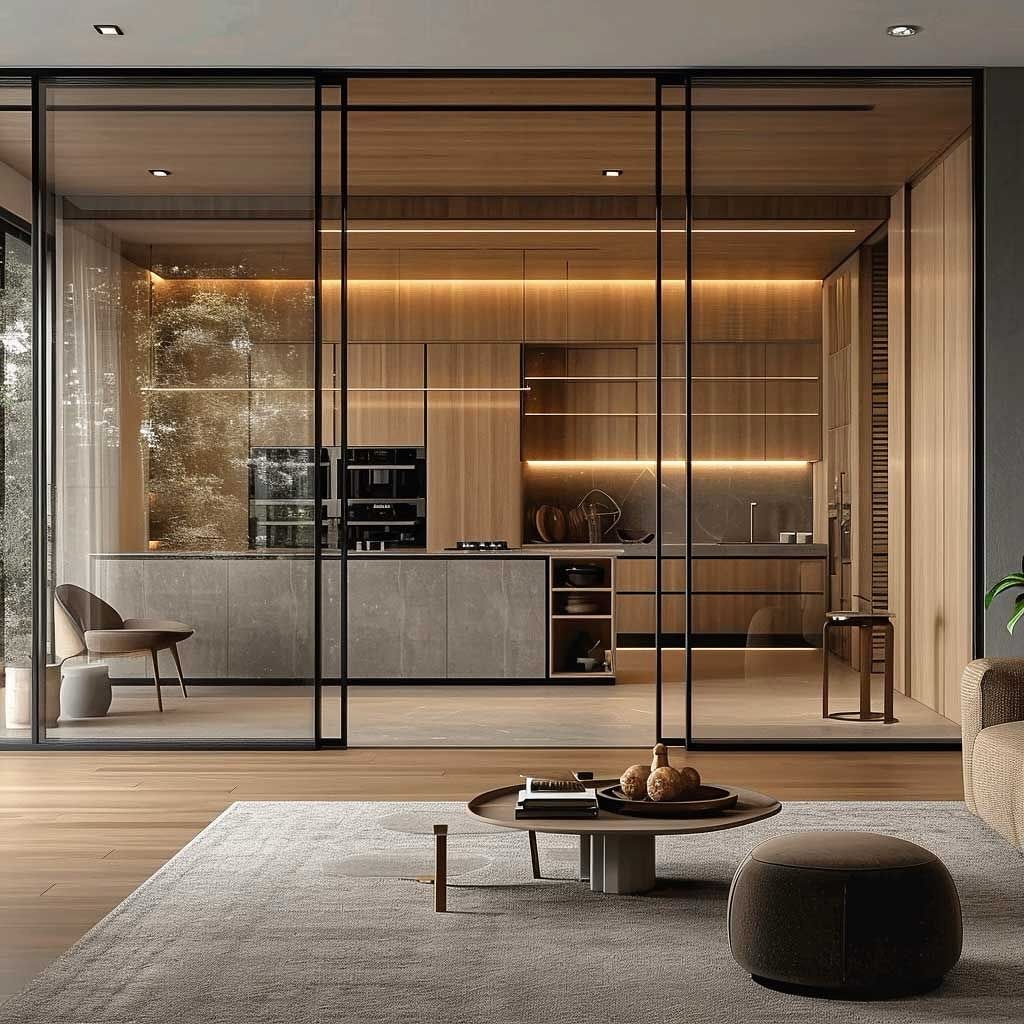
I usually place a slim island with seating facing the living area. A stylish sofa sits opposite it, and a round dining table is placed close to the cooking zone. Adjustable lights above the island work together with a soft floor lamp near the sofa. Each area feels separate but still connected. Decor is kept simple and shown only on selected shelves. Everyday clutter is hidden inside closed cabinets so the design stays clean and practical.
A soft change in texture works better than strong dividing lines. Editors often suggest using one color palette throughout the space and changing fabric textures or finishes to define zones. This advice has helped me avoid messy transitions in both small condos and large barndominium layouts.
To improve this setup, I would place a slim console table behind the sofa with wall lights and USB ports. It makes reading, working, and charging devices easy without crowding the walls.
9. Smart L-Shaped Open Plan Kitchen Dining Living Designs
I often recommend L-shaped open plan layouts for family homes. This layout works very well. The longer side holds the kitchen and island, while the shorter side shapes the living area. This setup keeps conversation flowing between spaces. It is a reliable option for daily life and weekend entertaining.
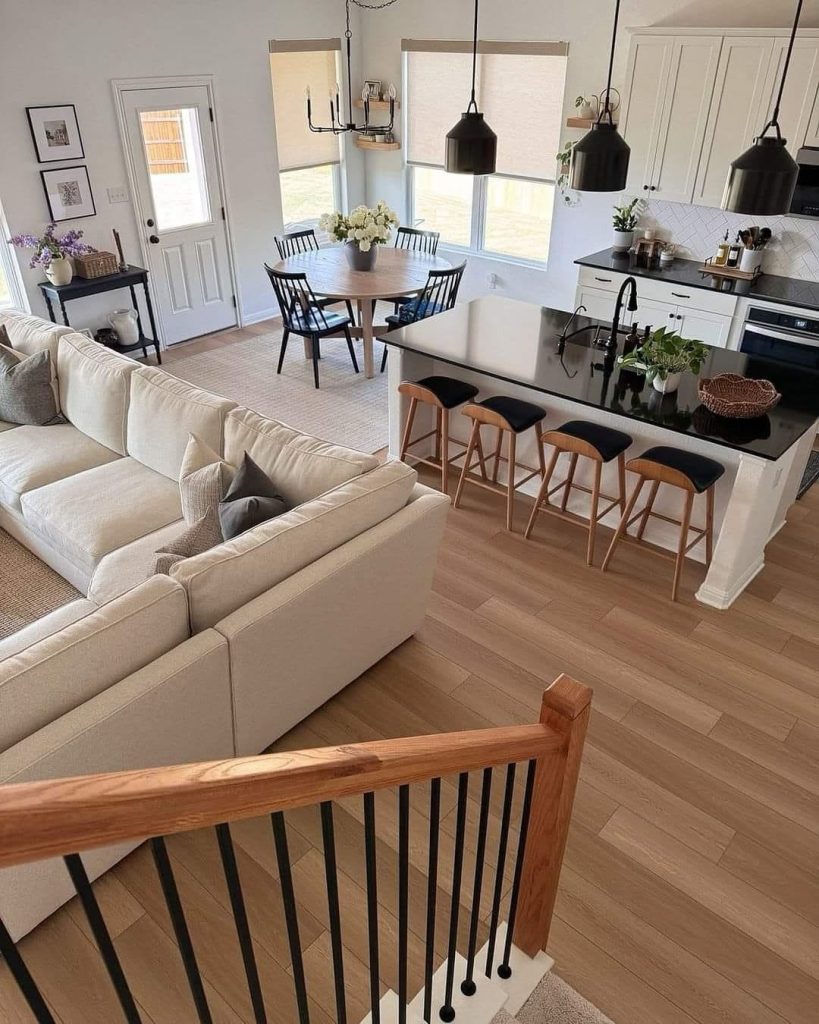
I prefer using an L layout of base and tall cabinets with built-in appliances. A perpendicular island faces the dining area. On the living side, I choose an L-shaped sofa that follows the layout. Nesting tables are useful because they move easily when guests visit. In small spaces, a ceiling fan adds both light and airflow. A flat-woven rug helps clearly define the seating area.
I have learned that this layout looks best with simple finishes. I limit the design to two cabinet colors at most. I use one countertop style and one standout metal finish. This keeps the space looking neat and connected. Even small apartments feel cleaner and more cheerful when I follow this rule.
In this layout, I would add a wall rail system near the dining corner. It allows flexible art and shelving and makes seasonal changes easy without drilling holes.
10. Family-Friendly Open Concept Kitchen Dining Living Rooms
For busy families, open concept spaces need clear visibility, less noise, and durable materials. I start by placing work zones near the edges and relaxing areas toward the center. This allows guests to enjoy the space without blocking daily movement or family activities.
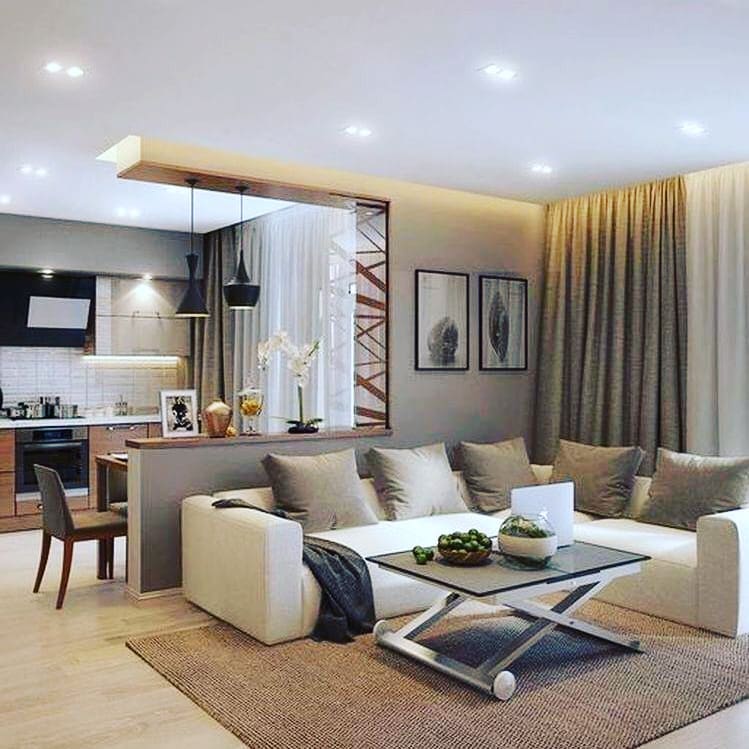
I use easy-to-clean quartz surfaces and strong sofa fabrics. Indoor-outdoor rugs work well for homes with kids. A farmhouse-style dining table pairs nicely with padded end chairs for comfort. Stackable side chairs help when extra guests arrive. A built-in bench under a window adds storage and also works as a small workspace. Labeled drawers near the island help keep homework and daily items organized.
Sound control is an important part of my design process. I use simple solutions like linen curtains, cork boards, and felt pads under chairs to reduce noise without affecting the look of the space. I also focus on layering soft materials throughout the room, which helps open layouts feel quieter and more comfortable.
I would also add a small entry area with hooks, a tray, and a charging shelf. This keeps clutter away from the main space and protects the overall look.
11. Adding Character to Open Concept Kitchen Living Rooms
When clients worry that open plans feel plain, I add personality through materials and carefully chosen statement pieces. I focus on one standout feature in each area. This might include ribbed wood panels on the island, handmade tiles near the stove, and a bold chandelier over the dining table. Repeating design details gently across the space helps everything feel connected.
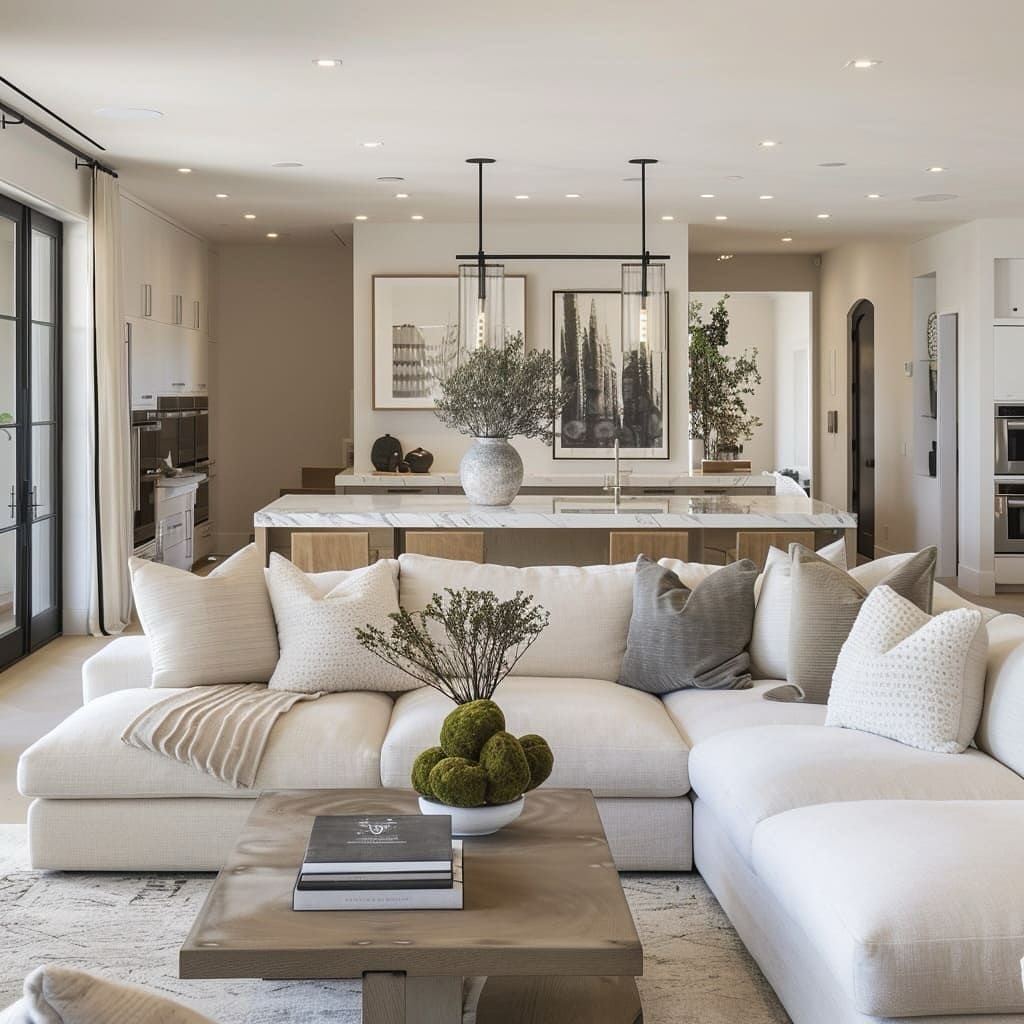
I style the living area with a fitted sofa, textured cushions, and a rug with a slightly aged look. I prefer a gallery ledge instead of a full gallery wall to keep the space calm. In the kitchen, I use open shelves to display a few ceramics while keeping most storage closed. A console table behind the sofa keeps books and games within reach.
I would also add dimmable LED strips under the island edge and along the gallery ledge. This highlights details in the evening and adds a warm, cozy glow.
12. Blending the Dining Area into Open Plan Living Rooms
The dining area should naturally connect the kitchen and the living room. In modern open plan homes, the dining table often sits near the center. It becomes the main place for meals, homework, and conversation. Choosing the right size is important. The table should allow easy movement around it, while chairs should slide smoothly without hitting nearby cabinets.
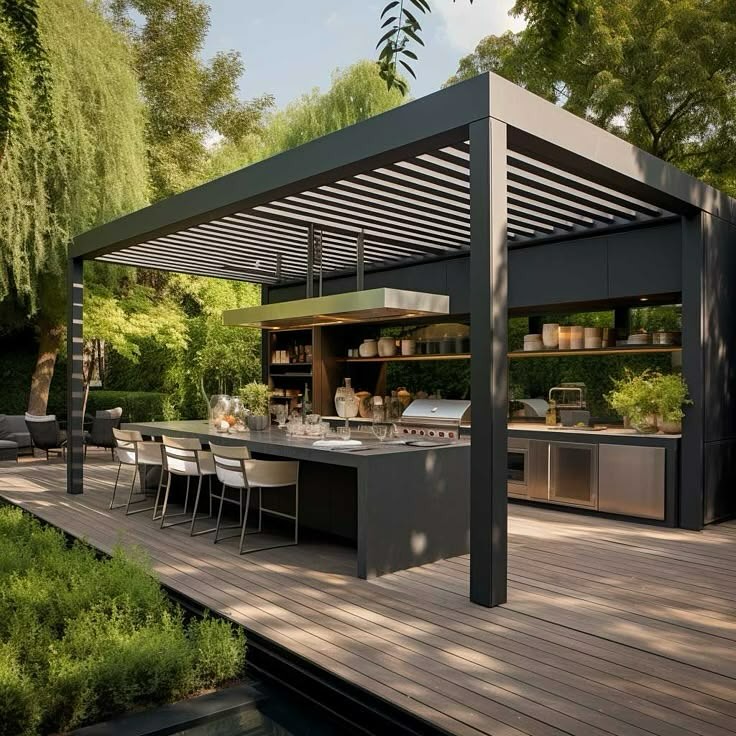
For small spaces or apartments, I suggest a round table with a pedestal base. In larger rooms, a rectangular table paired with three pendant lights works well. Chairs should be comfortable and easy to clean. A low sideboard is useful for storing table linens and board games. A rug helps define the dining area and keeps chairs from catching on the floor.
I always try to align the dining table with the kitchen island or a main window feature. This helps the room feel organized and balanced. Many sources support this idea because symmetry creates a calming effect in open spaces.
I would add a small bar cart with locking wheels near the sideboard. On regular days, it can hold glasses and napkins. During gatherings, it becomes a self-serve station that makes hosting easier.
13. Smart Layout Planning for a Smooth Kitchen and Living Room Flow
Before choosing finishes, I always map out how people will move through the space. I sketch walking paths and measure clearances first. A well-planned layout makes an open kitchen, dining, and living room easy to use every day. I keep the cooking triangle away from main walkways and push it toward the sides. This helps avoid traffic near hot areas. I also make sure kids can move around freely without crossing cooking zones. Real daily routines guide these choices, so the space works for people instead of forcing people to adapt to the space.
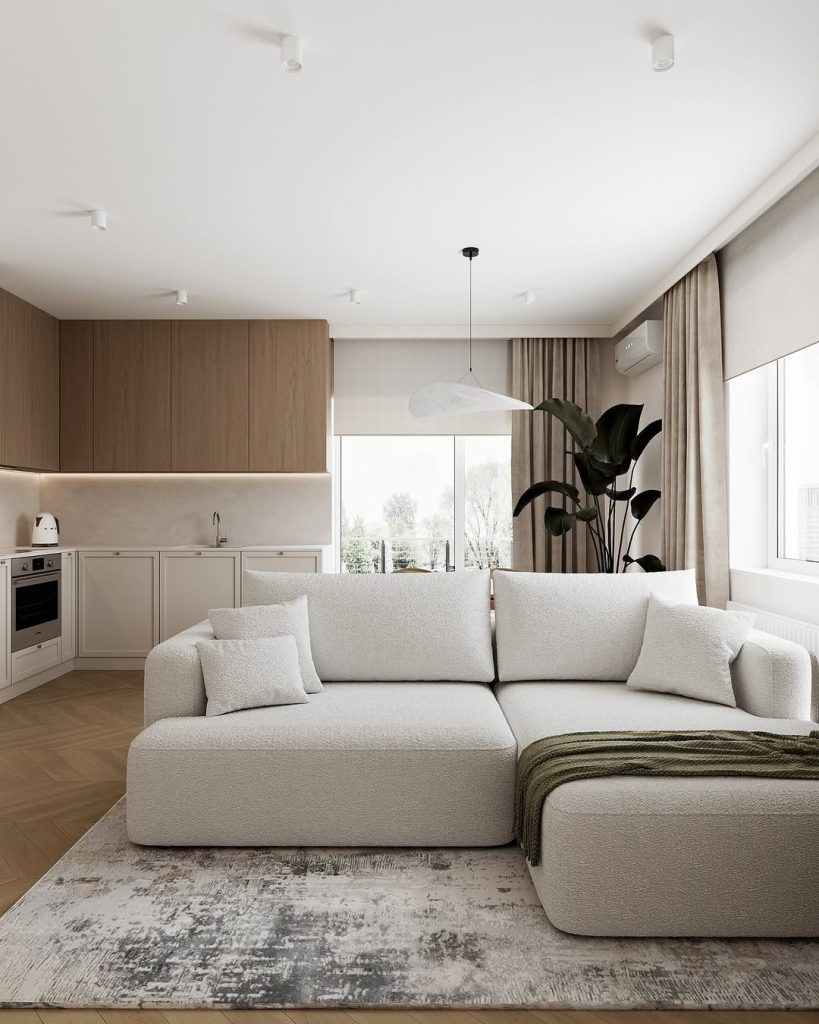
I usually place tall storage units along the room edges. The sink goes on the island so it faces the living area, while the stove stays on the wall to keep ventilation simple. The dining area sits between spaces but never blocks main walking paths. A slim cased opening or a ceiling beam helps mark transitions while keeping the room open and connected.
From working on both small homes and large barndominium shells, I have learned to protect at least 100 to 120 cm around the dining table and about 100 cm around the island. This stops chairs, drawers, and people from bumping into each other. These clearances reduce daily frustration, which is why I insist on proper spacing.
I also like to add a fold-down desk niche near the living area. It gives a quick spot for laptop use without turning the room into a full home office. This works perfectly for modern hybrid living
14. Fresh Open Concept Design Ideas for 2026
For 2026, open kitchen and living room designs focus on layered details inspired by nature, calming wellness lighting, and flexible furniture. I often blend Scandinavian and Japandi styles to soften the look. On top of that, I integrate technology so quietly that it almost disappears into the cabinetry. This keeps the space warm, human, and comfortable even as it becomes smarter.
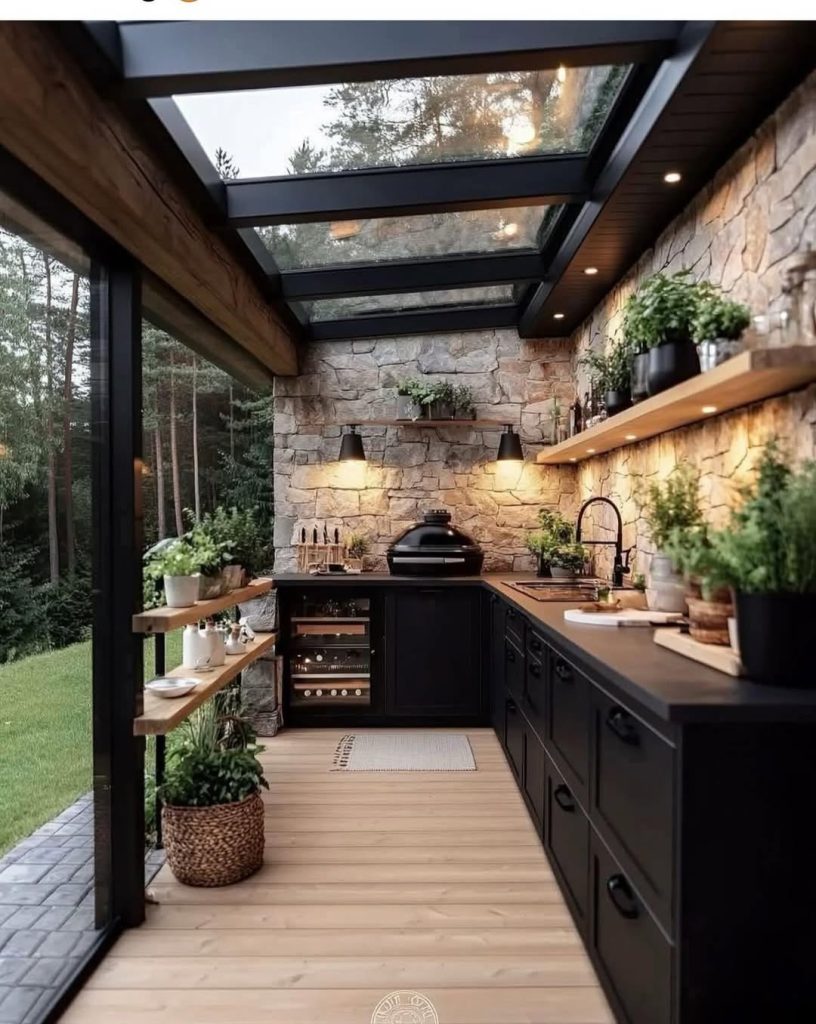
I prefer made-to-order sofas in breathable performance fabrics, oak wood details, and a micro-plaster fireplace finish. A frosted glass divider near the entrance adds privacy without blocking light. Smart features like circadian lighting dimmers and a hidden induction cooktop allow the island to double as a large work surface when cooking is not needed.
In my work, small sensory touches matter a lot. A wood slat ceiling near the dining area helps reduce echo. Simple items like a clay vase or a linen table runner add texture you can feel. I recommend using two natural materials with one refined surface.
In this area, I also like to build a strong plant setup. A tall olive or ficus tree near the window works well. Herbs can sit on the kitchen floor below counter height, and trailing plants look great on shelves. This helps connect zones and improves air quality, which is perfect for apartments or small homes.
15. Using Cased Openings in Modern Kitchen and Living Areas
Cased openings have become a key feature in open kitchen and living room designs. They define spaces visually without using full walls. In 2026, designers use framed openings to separate zones without making the space feel crowded. These frames add structure, detail, and intention to the overall layout.
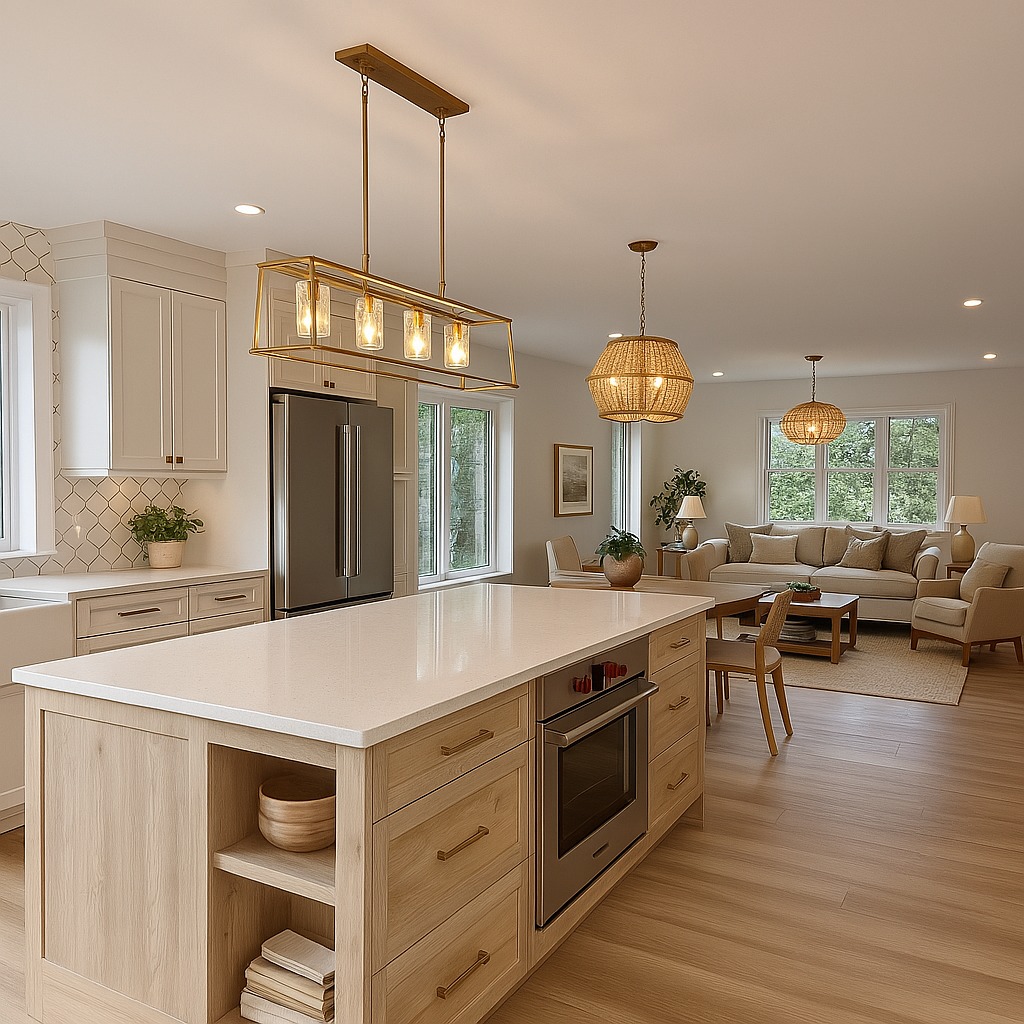
When designing these openings, proportions matter a lot. The trim around the opening can be white oak for warm interiors or matte black steel for an industrial feel. When combined with wide plank flooring and recessed lighting, cased openings create smooth transitions between spaces.
This approach works especially well in small open kitchens and living rooms where every visual detail counts. I often note that wood framing adds warmth to connected areas. It is one of the easiest ways to add elegance without changing the structure.
16. Practical Interior Design Tips for Open Kitchen Living Rooms
Creating an open kitchen and dining layout means balancing daily function with visual flow. light and proportion are everything. I always start by reviewing natural light and making sure each corner connects visually. Furniture and decor define zones instead of walls.
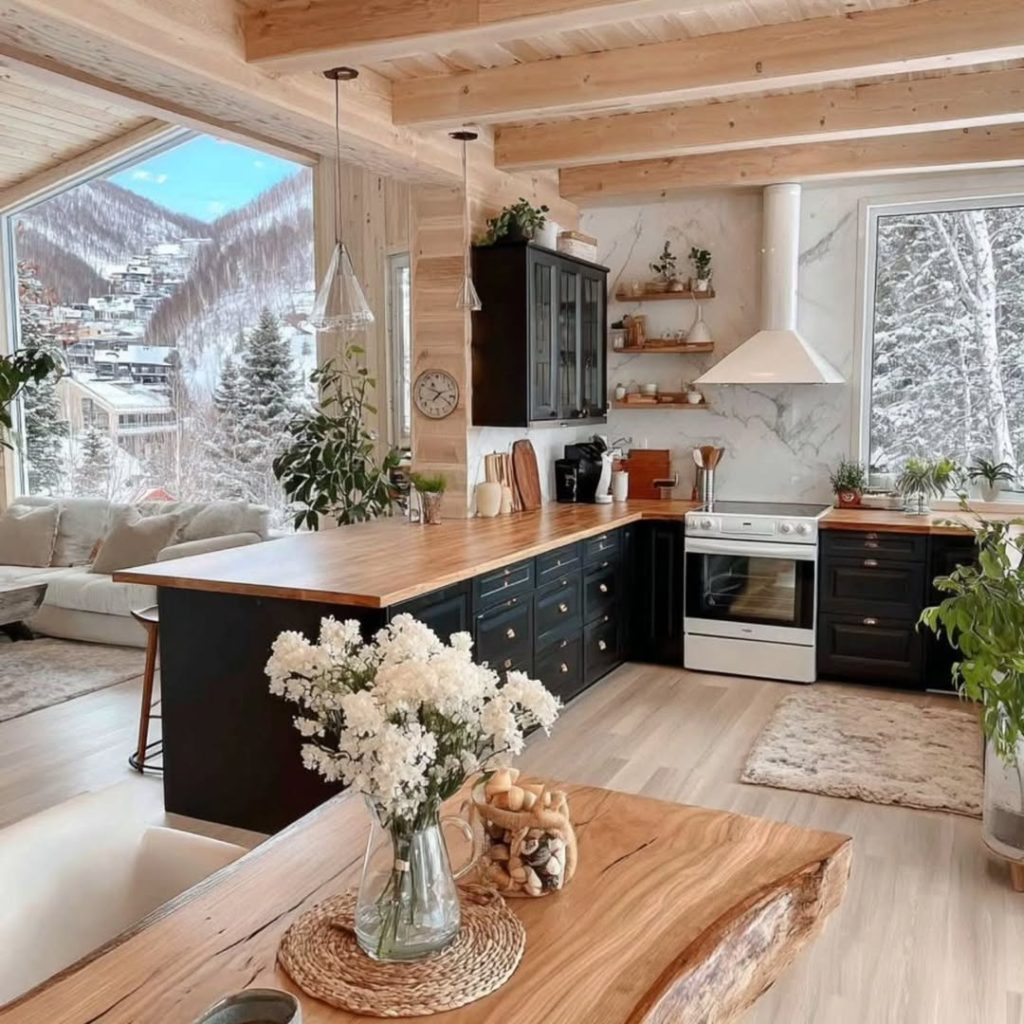
I usually choose a sofa with a low or relaxed back to keep sightlines open. Pendant lights hang above the island, and the dining table acts as a bridge between the kitchen and living areas. Large rooms feel more welcoming when greenery, mirrors, and layered fabrics are added.
I often highlight that 2026 trends focus on soft neutrals paired with accents like olive, taupe, and brown. These shades ground the space while allowing flexibility with decor. I find open layouts are perfect for guiding the eye through subtle color changes.
This section could go deeper by showing how contrasting materials work together, such as brushed metal fixtures paired with natural wood cabinets or terrazzo flooring.
17. Creating a Beautiful Open Kitchen Living Room in a Small Apartment
Small open kitchen and living rooms in city apartments can be tricky but very rewarding. Clarity is key. I focus on light reflection, vertical storage, and flexible furniture. Wall-mounted dining tables or foldable islands help save space while keeping the room open.
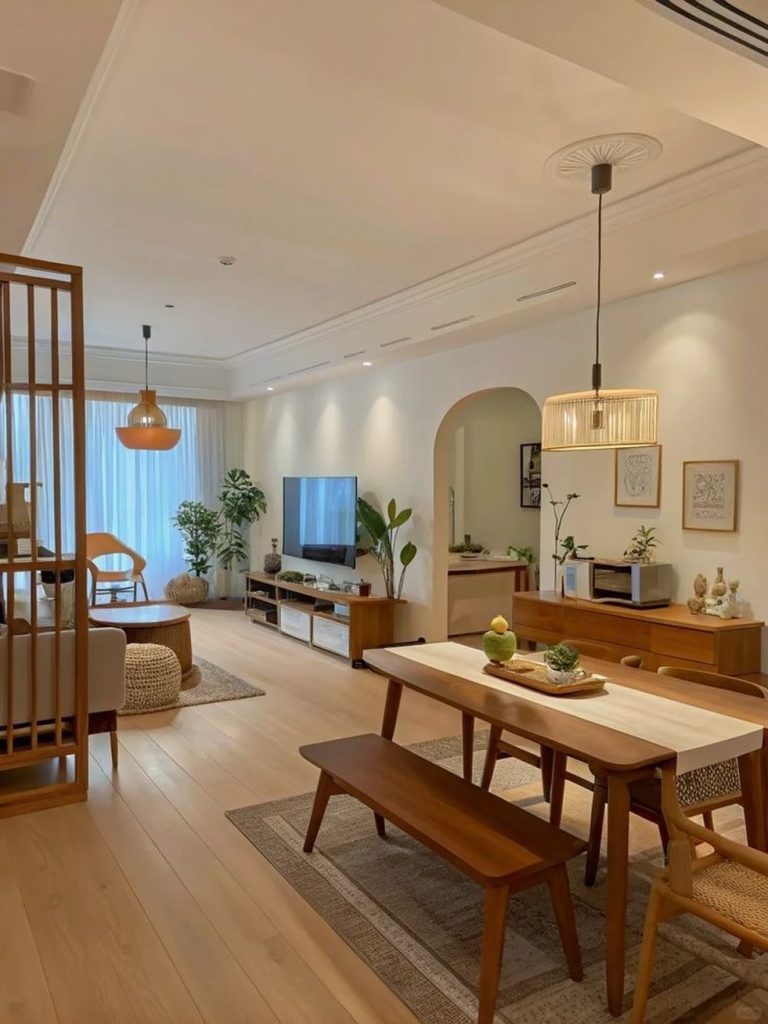
The most useful furniture pieces are compact and multi-purpose. Sofas with storage underneath, stackable stools, and collapsible dining tables work best. Glass partitions or light curtains can add privacy without fully closing the layout.
From experience, neutral walls with one accent color add depth without shrinking the room. I suggests using warm whites with natural wood and slim metal frames to make spaces feel larger and I have applied this method in several small apartments with great results.
18. Barndominium-Inspired Open Kitchen and Living Designs
The rustic charm of barndominium homes continues to influence open kitchen and living layouts in 2026. I enjoy mixing industrial elements like exposed beams and metal fixtures with clean modern finishes. The result feels both relaxed and contemporary.
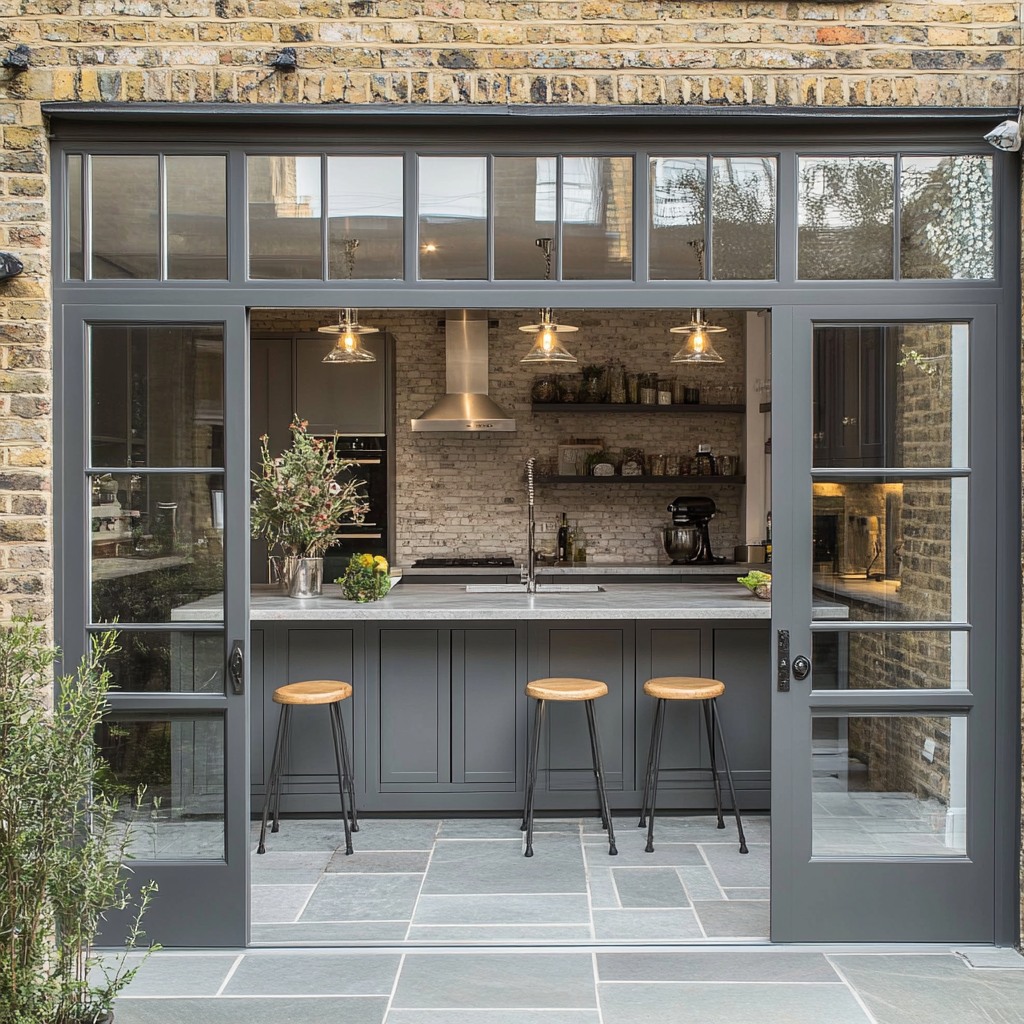
Warm details like polished concrete floors, large sliding doors, and reclaimed wood ceilings bring balance. I often pair a solid live-edge dining table with simple black pendant lights to keep the look grounded.
19. Clever Open Plan Ideas for Small Homes
Flexibility matters most in small open living spaces. Folding walls, sliding panels, and movable islands allow quick changes when needed. I want small interiors to feel adaptable yet stable at the same time.
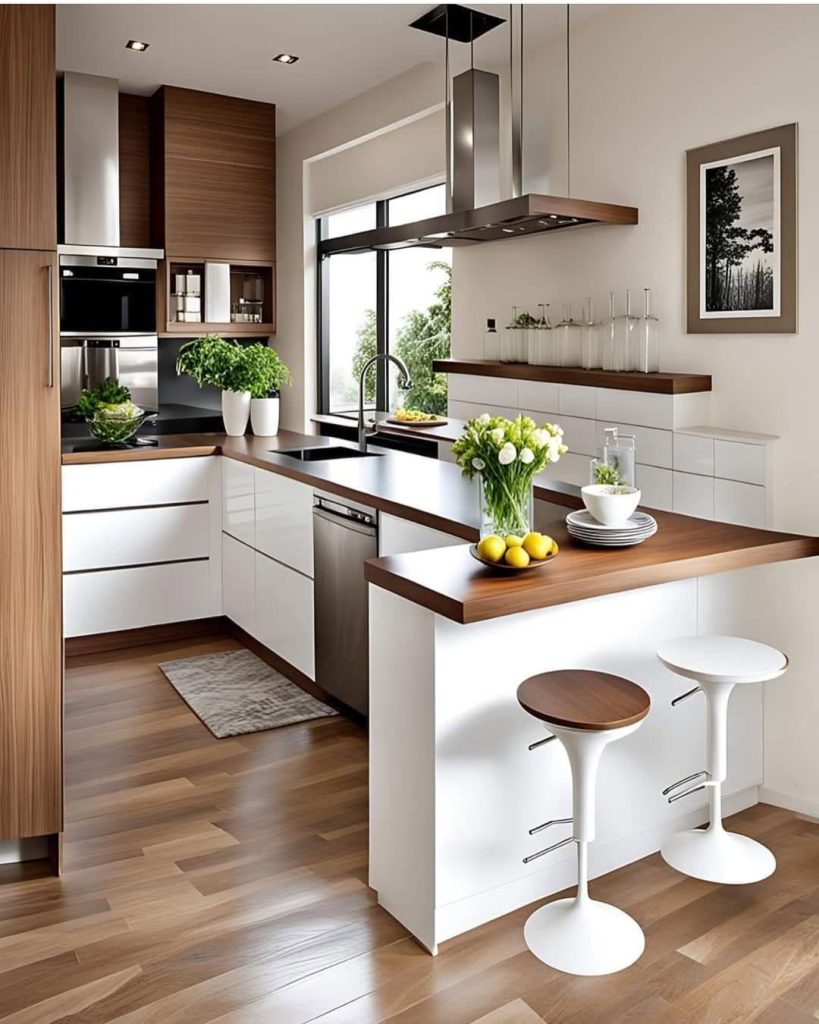
Furniture should be minimal but impactful. One standout sofa, bench seating for dining, and multi-use shelving work best. Using the same flooring throughout helps the entire space feel connected.
20. Open Kitchen and Living Room Ideas Made for Apartments
For apartment living, open kitchen, dining, and living layouts can make small homes feel much larger. I always begin with a single color palette that ties cabinetry, floors, and furniture together. Proportion matters most. Pieces should fit comfortably without overwhelming the room.
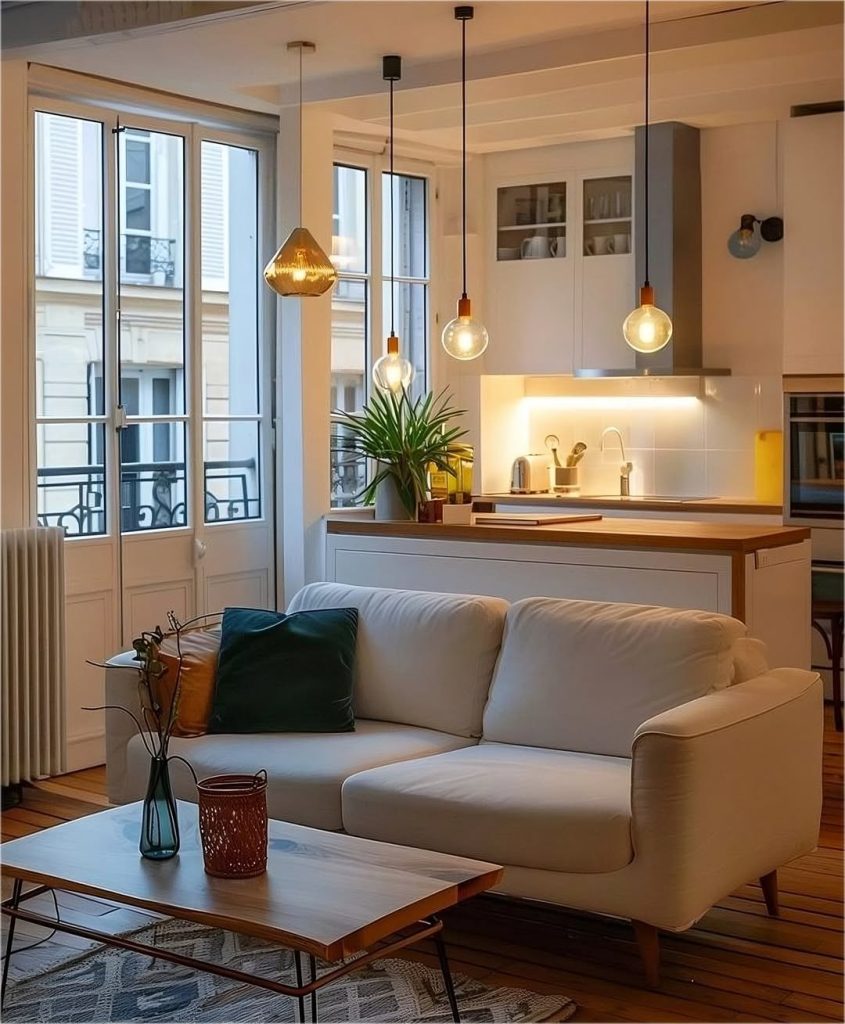
I often recommend floating kitchen islands with built-in shelving, wall-mounted lights, and light sofa fabrics to keep the space airy. Soft geometric rugs help visually organize the dining area.
I suggest using mirrors and reflective surfaces to improve light flow in apartments. This practical tip always works, especially in city homes where natural light is limited.
21. Key Decor Tips for Open Kitchen-Living Rooms
In open kitchen-living spaces, decor is a big deal. I always make sure textures, finishes, and lighting work well together. Using materials like jute, linen, oak, or other natural elements with stone or metal adds both warmth and style.
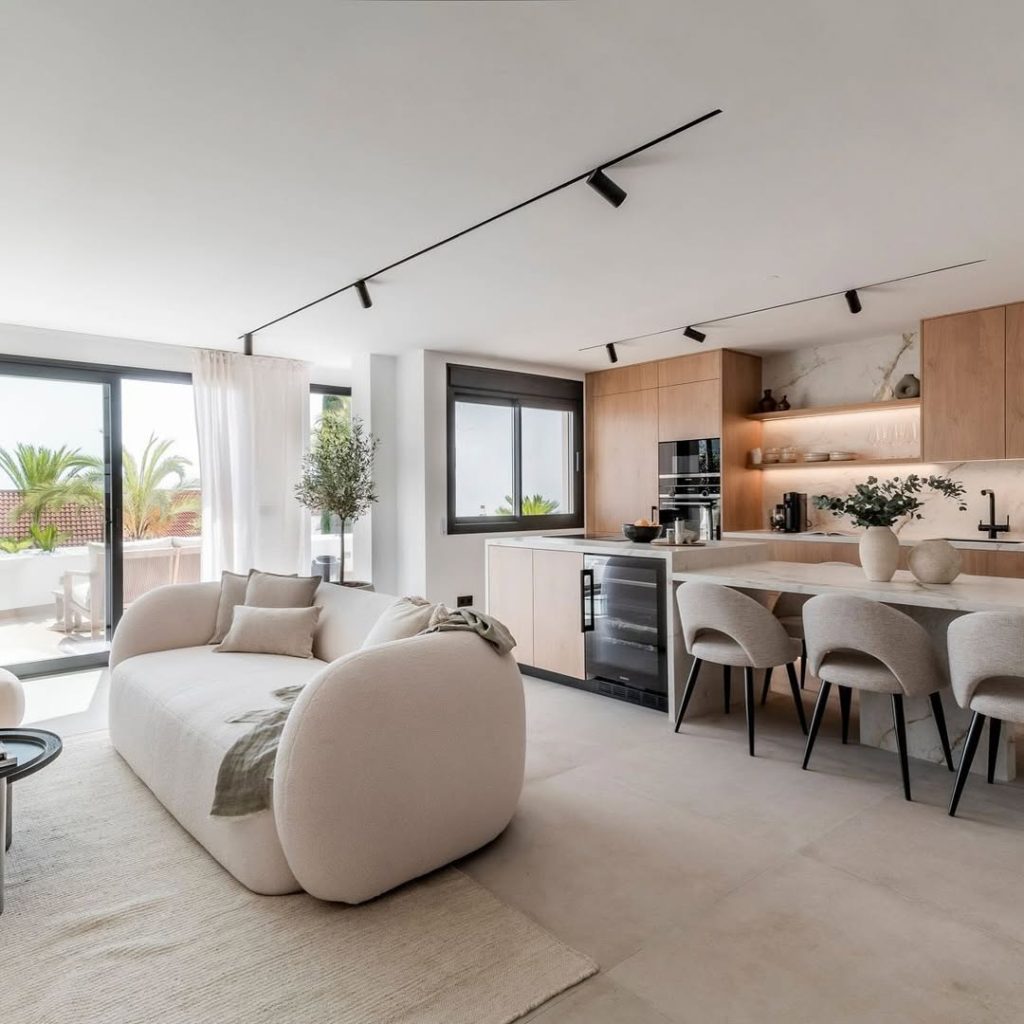
In 2026, some highlights I focus on include island lighting, statement art in matching colors, and plants that link the kitchen to the dining area. Decor should feel thoughtful and not messy.
22. Scandinavian Style for Open Kitchen-Living Rooms
I often think of Scandinavian design for these spaces. It is light, soft, and calm. In 2026, people will prefer simple, practical designs that are also comfortable. Think pale wood, soft fabrics, and gentle lighting to connect the kitchen and living areas.
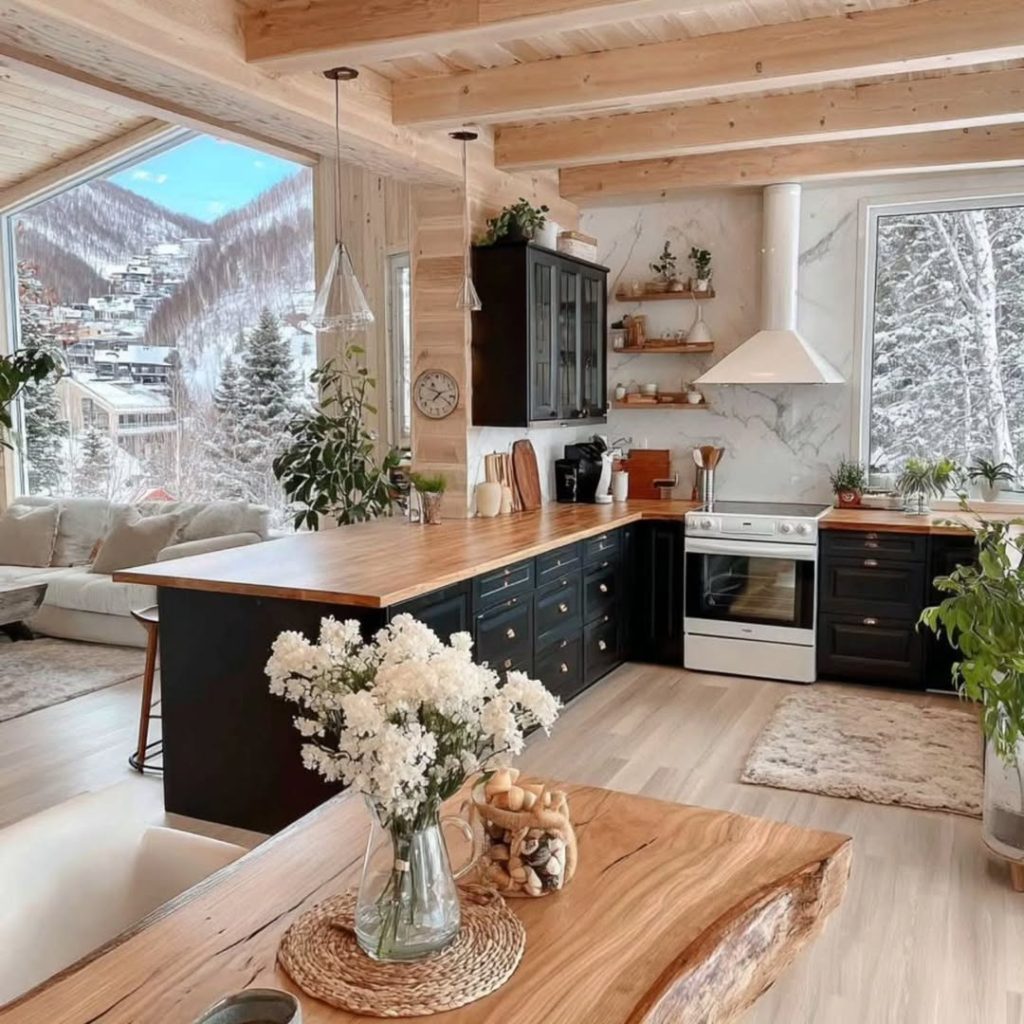
Scandinavian layouts encourage togetherness without too much visual clutter. The colors and scale are chosen for family-friendly comfort. These spaces work well when you want calm, neat, and functional rooms.
I usually pick white oak cabinets with built-in handles, matte quartz countertops, and a slim island that can double as a small breakfast table. I like a low couch with cotton or boucle covers, a round ash dining table, and ladder shelves for books and ceramics. For lighting, paper lanterns and dimmable track lights help define different zones. Rugs in jute or wool tie the areas together, and subtle oak transitions make the flow smooth.
Scandinavian design works best if clutter is controlled. I follow a “one-in, one-out” rule for accessories and keep window treatments light to let sunlight in. For colors, I use soft tones like mushroom, oatmeal, and sage to make hard edges feel gentle. The room ends up feeling alive and calm.
I also add hidden storage like a wall of cabinets and a charging drawer. It keeps counters clear and maintains long sight lines, which makes the open space feel larger, even in smaller homes.
23. Modern Open Kitchen-Living Ideas
When it comes to materials, modern design is simple, durable, and timeless. Rounded furniture edges, quiet textures, and classic decor work best. I start the layout with three main anchors: the island, the dining table, and the media wall. This makes moving around the space easy.
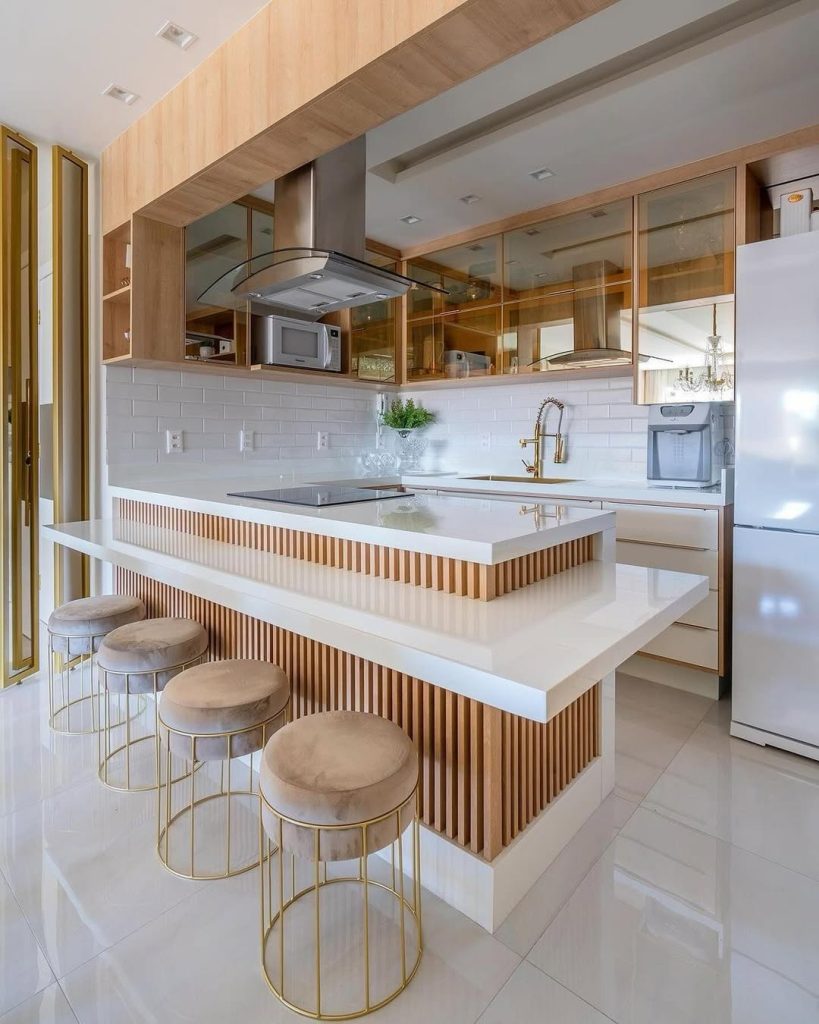
Large porcelain tiles or sealed microcement floors are low-maintenance. Ceiling downlights are arranged in a grid to control task and ambient lighting throughout.
I like using fluted wood on the island, slim aluminum doors to terraces, and neutral stone backsplashes. Seating is sculptural but comfy – curved counter stools, a modular couch, and an oval dining table keep traffic smooth. Built-in benches near tables provide storage and soft edges in an otherwise sharp design.
For modern design, less is more. I stick to a small color palette and use textures instead of too many colors. Durable finishes are a must. I choose materials that age gracefully, rather than those that wear out quickly.
I also recommend a small acoustic addition like ceiling panels or fabric-wrapped wall panels. Open kitchens can get noisy, and this helps the space feel calm and comfortable.
24. How to Pick the Right Couch for an Open Kitchen-Living Room
Choosing a couch isn’t just about comfort. It helps define pathways and sightlines. I measure walkways and pick shapes that keep the space open. Usually, a two-piece sectional with a chaise facing the dining area works well. A good sofa encourages conversation while keeping the view to the kitchen open.
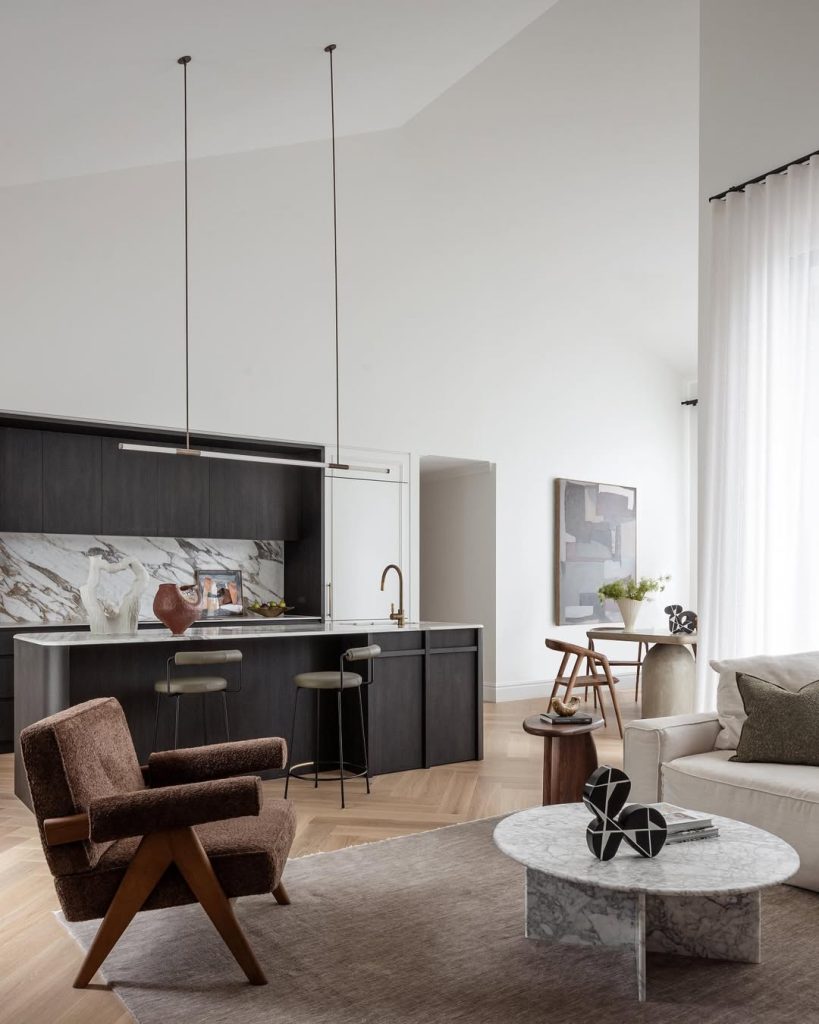
I prefer sofas with stain-resistant fabric, medium-depth seats, and legs that lift the couch off the floor. For small spaces, 90–100 inches is ideal. Larger rooms can handle deeper sectionals. I pair the sofa with a round coffee table and a narrow console behind for lamps and charging.
Comfort always comes first. Seat height and support should allow both sitting and lounging. Neutral upholstery makes redecorating easier, and pillows can add seasonal color, matching the cozy colors like terracotta, olive green, and caramel.
Make sure the dining area layout is set before placing the sofa. The relationship between the table, aisle, and chaise is key.
25. Japandi Style for Open Kitchens and Living Rooms
Japandi style mixes Japanese simplicity with Scandinavian warmth. It works beautifully for open kitchens and living rooms. I focus on simple, elegant designs with dark oak, black finishes, and clean silhouettes. This lets empty space feel meaningful.
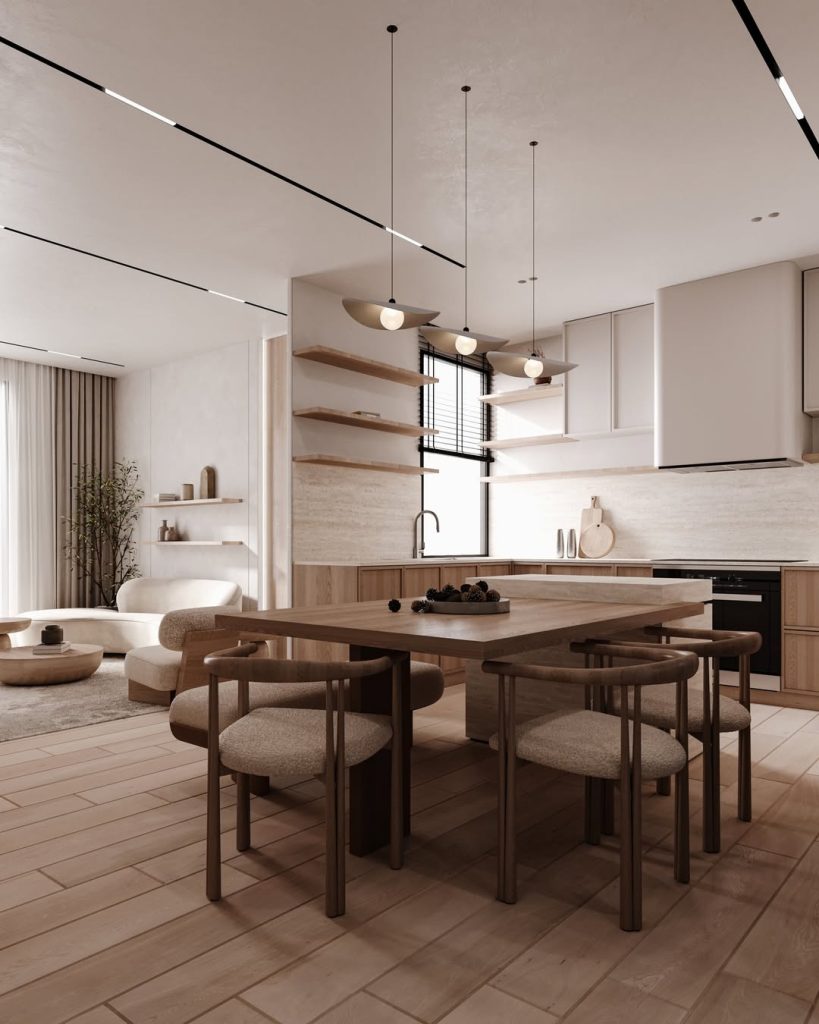
The kitchen should look like furniture, not cluttered. The living area stays calm, even in busy homes.
I usually pick low, linear cabinets, simple couches, and paper or linen pendant lights. The dining area has a softly curved light ash table with spindle-back chairs. In the kitchen, shallow shelves, ribbed glass, and a slim cooktop reduce visual bulk. This works well in small apartments where every inch counts.
Earth tones like clay, bone, and charcoal create contrast. I leave walls white and use asymmetry for subtle patterns. This approach fits the Japandi philosophy and keeps the space practical.
I also like adding a simple tea nook or a low bench by the window. Small touches like this make everyday life feel calm and human-sized.
26. Getting the Dining Area Layout Right in Open Spaces
The dining area plays a key role in open kitchen, dining, and living layouts, especially in L-shaped family rooms. I see it as a shared spot where meals, homework, and weekend projects all happen. I always make sure there is at least 36 inches of open space around the table. I also line the table up with a walkway or a window. This makes the layout feel planned and balanced. It creates a calm center line that holds the whole floor plan together.
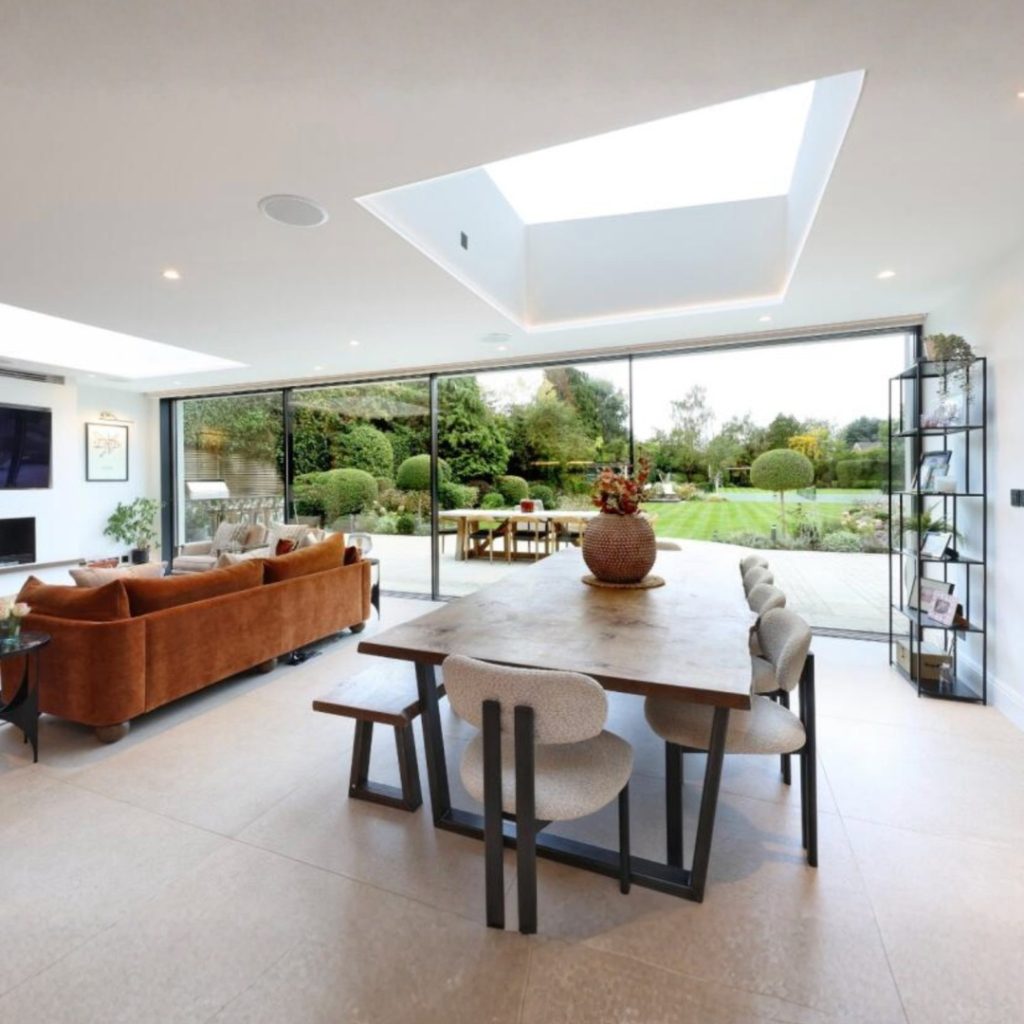
When choosing a table shape, I focus on how people move through the room. Long rooms work better with rectangular tables. Spaces where walking paths cross feel more comfortable with round or oval tables. A bench placed against a wall saves space, while padded captain chairs at the ends add comfort. I like using a dimmer with a slim pendant light or a small chandelier. This becomes the heartbeat of the room. A sideboard nearby holds linens and chargers, helping the dining area stay useful without feeling crowded.
From years of hands-on work, I always place the dining table on a rug that extends at least 24 inches beyond the table on all sides. This clearly defines the dining zone and helps reduce chair noise in open kitchen, dining, and living spaces. When flexibility is needed, I suggest tables with extension leaves for holidays and extra chairs that can be stacked and stored in a closet.
To make this area even easier to manage, I add one simple habit. Keep seasonal table decor arranged in trays. This keeps surfaces tidy for daily life and makes it quick to reset the table when you want a new look
27. Making Sense of Floor Plans in Open Kitchen Living Areas
The floor plan is often overlooked, but it is the backbone of open kitchen, dining, and living spaces. I always begin by mapping walking paths from the entrance to outdoor areas. Only after that do I place the island, dining table, and sofa. This keeps walkways wide and comfortable. Traditional layout rules matter less now. By 2026, daily habits matter more. Where backpacks land, where pets rest, and where sunlight falls guide my decisions. This keeps open kitchen living spaces practical all year.
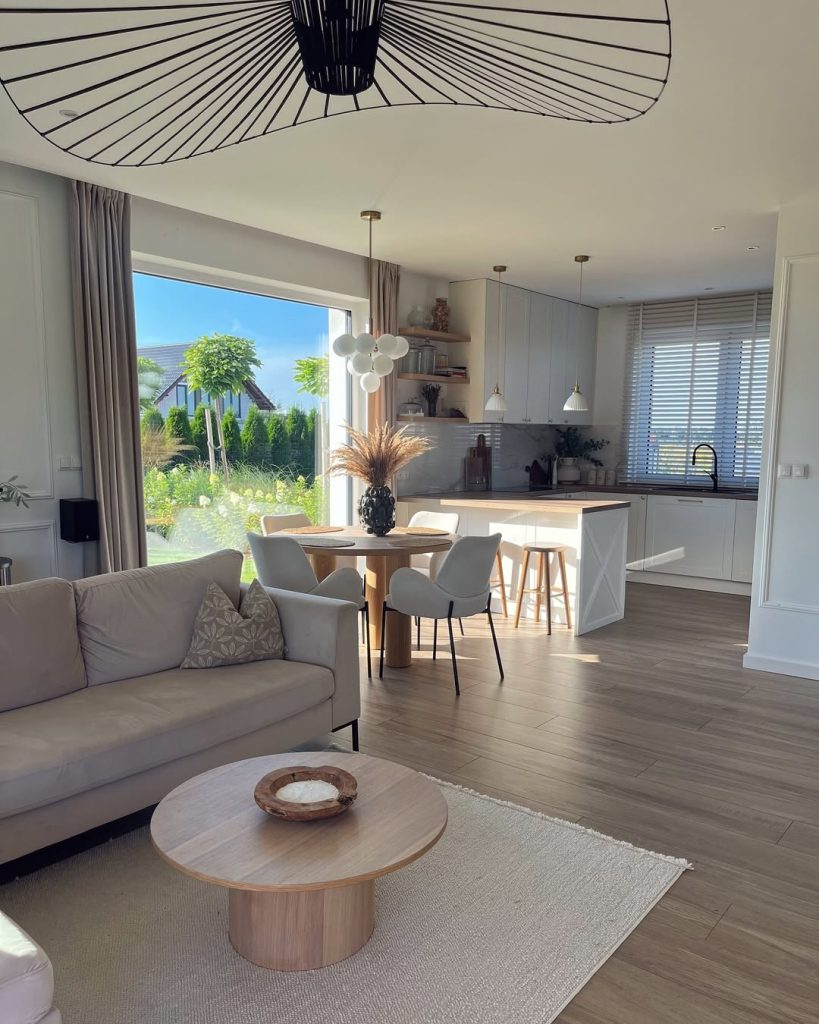
I carefully plan power outlets and lighting so cords never cross walkways. Tall storage walls help absorb clutter. A framed ceiling detail or a cased opening gives the kitchen a clear boundary without closing it off. I also consider semi-open options like pocket doors or glass sliders. These allow the kitchen to quiet down during late-night cleaning while still feeling open during the day.
Over time, I’ve learned that quick digital sketches work best at the start, followed by hand drawings before final choices are made. Once the main structure is set, choosing finishes becomes easy. For families, I always include drop zones near entrances and clear sightlines toward play areas. This is essential in open kitchen, dining, and living family layouts.
At this stage, I also review sound control and airflow. It is much easier to plan good ventilation and acoustics early rather than trying to fix these problems later.
28. Budget-Friendly Open Kitchen Living Ideas Inspired by Ikea
For clients working with reasonable budgets, Ikea-style solutions help me create open kitchen living spaces that feel custom. I mix cabinet fronts like Sinarp or Voxtorp with built-in pulls. When needed, I replace knobs with third-party handles. With thoughtful planning, apartments and small homes look polished without high costs.
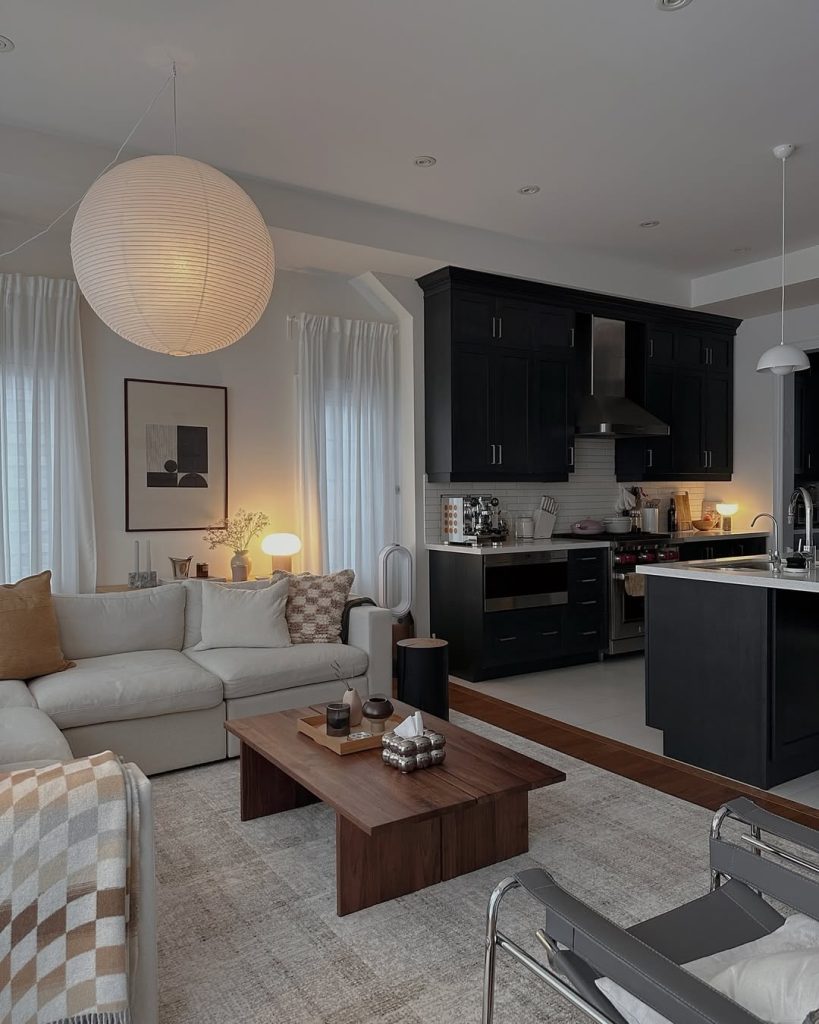
I rely on Maximera drawers, pull-out pantries, and Utrusta organizers to keep kitchens organized. In the living area, I pair a clean-lined sofa with Besta or Havsta storage walls. I often finish the space with a compact dining table like Lisabo. I keep wood tones limited and make sure furniture legs stay similar in height. For flooring transitions, tone-on-tone rugs help define zones while keeping everything connected.
I always check appliance sizes early so tall cabinets and vents fit correctly. My favorite small upgrades include swapping laminate counters for quartz, adding built-in lighting, or using Semihandmade doors for a more refined look. These updates refresh the space without pushing the budget too far.
One thing people often forget is planning delivery and assembly time. Clear labeling and good staging make flat-pack installations much smoother.
29. Planning and Organizing an Open Kitchen Living Layout
I use color mapping to track walking paths, views, and activity zones like cooking, dining, and relaxing. By 2026, the most successful open kitchen living spaces will feel like one flowing room, not three separate areas competing for attention. I divide the layout into three main parts. The kitchen runs along one wall. The dining area sits close to the cooking zone. The seating area faces a focal wall or fireplace. This approach works well in both small apartments and larger family homes.
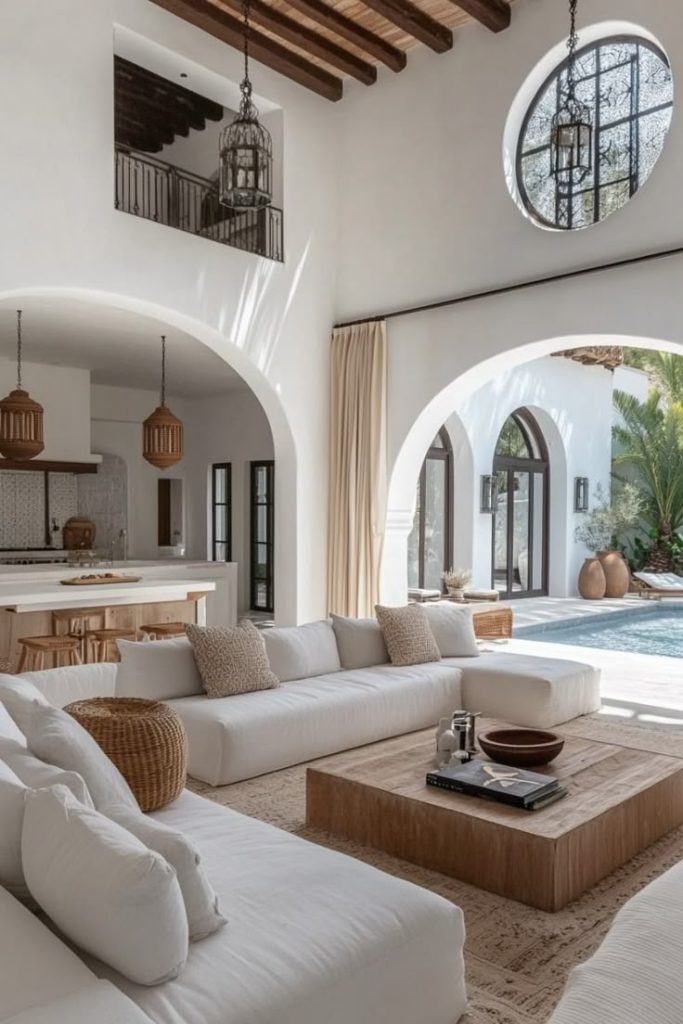
For furniture and decor, I choose a well-sized sofa for two people or a slim sectional with clean arms. A 9 by 12 rug anchors the seating area. Ceiling details, soffits, or framed wall openings help separate zones while still feeling open. Dining tables are sized to fit walkways comfortably. Peninsula or island seating includes a 12-inch overhang without crowding. Storage comes from tall pantries and low sideboards placed behind the sofa. I like rail systems for hanging storage and always plan lighting in three layers.
From experience, kitchen finishes should stay calmer than the living area. The living room can handle more texture on feature walls, while the kitchen should stay simple and easy to clean. I believe kitchens with less decoration age better. I often suggest agree, especially for busy family homes that need durability first.
This design method also includes clear dining layout drawings with built-in spacing. Item lists cover tables, island seating, and the sink, cooktop, and fridge triangle. This makes the plan easy to follow in both apartments and larger homes.
30. Semi-Open Kitchen Living Rooms That Balance Privacy and Flow
I suggest semi-open layouts when clients want connection without noise and mess. Partial walls, glass panels, or framed openings allow airflow and views while reducing sound and visual clutter. These ideas work well when someone needs privacy for calls or studying while still enjoying daylight. Since the partitions are partial or transparent, they do not block natural light.
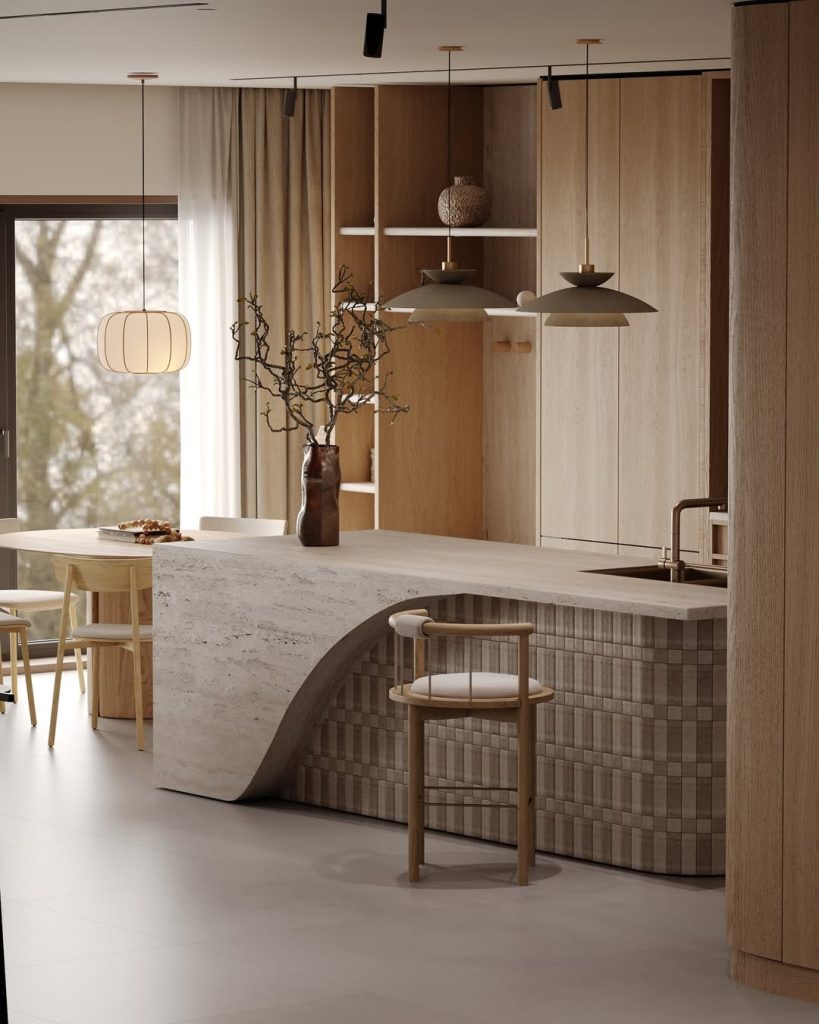
I often use ribbed glass sliders, half-height dividers behind cooking areas, or bookshelf walls that double as storage. A ceiling soffit above the island frames the kitchen visually. A flush-mounted hood helps protect nearby fabrics. Furniture stays slim and easy to move. Swivel chairs can turn toward the dining area or TV, and stools slide under counters to keep walkways clear.
Clients who cook often usually prefer semi-open layouts because odors stay contained and living areas stay cleaner. Many professionals recommend sound-absorbing materials for open kitchen, dining, and living spaces. I use wool rugs and textured curtains to reduce echo.
At this point, I also include elevation notes for glass or wood screens on each floor. Material notes clearly describe texture, color, and finish so builders understand how each space transitions.
31. Dining Area Layouts That Flow Naturally with Kitchen and Living Zones
A well-blended dining area sits along the natural path from fridge to table to seating area. I place it near the island so serving is easy and conversation flows toward the sofa. In open kitchen, dining, and living layouts, the dining table should sit in good natural light and line up with the island or fireplace for a calm visual anchor.
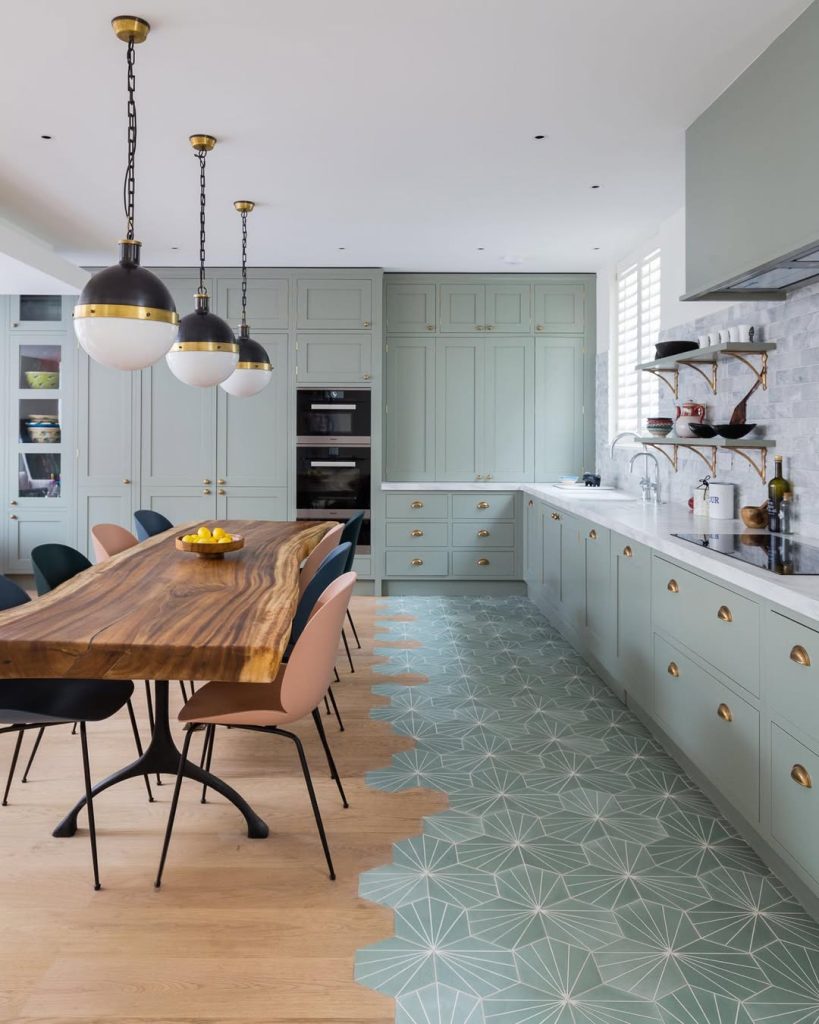
In smaller open layouts, I prefer extendable tables paired with armless upholstered chairs that slide neatly underneath. Slim buffets provide space for dishes and linens. Pendant lights hang at a comfortable height, and dimmers help the table stand out while separating it visually from the kitchen. Dining rugs must be large enough so chairs stay on the rug even when pulled out.
From real-life use, rounded table corners improve movement and reduce bumps in tight areas. In apartments, I avoid heavy trestle bases because they block legroom. Living rooms that open directly into kitchens can feel crowded when kids and guests gather in the same space.
When the dining layout needs to be simple enough to explain quickly to guests, I add notes about chair spacing and remind installers to center the pendant over the table rather than the whole room. This keeps the plan clear and accurate
I believe that the right decor can turn an ordinary open kitchen-living room into a very personal space.
I also like using warm, cozy colors in open kitchens. Shades like terracotta, olive green, and caramel make the room feel comfortable and inviting