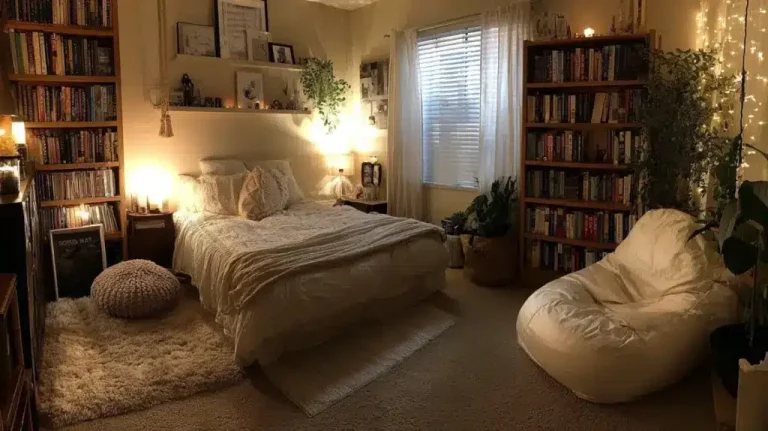

New Bed Designs Ideas 2026 – Modern Bedroom Inspiration
Bedroom design in 2026 is shifting toward spaces that feel calm, smart, and personal. Every wall, headboard, and furniture piece is planned to work together as one complete setup. When I think about new bed design ideas for 2026, I picture rooms that mix cool steel details with warm wood finishes. The goal is to make the bedroom feel modern while still being cozy the moment you walk in.
While planning a bedroom today, I always ask myself a few things. How can the bed help with storage in a small space? Can a study table fit in without making the room feel tight? Is it possible to bring in a garden inspired calm, or even playful ideas like a Minecraft style color palette, without making the room feel childish? In this guide, I share bed ideas that answer these questions and show how headboards, bedding styles, color trends, interior layouts, and even outdoor inspired designs are shaping simple bedrooms and master rooms for 2026.
1. Bed design ideas for 2026 that are shaping modern bedrooms
When I explore bed design ideas for 2026, I notice bedrooms turning into multi purpose spaces that support rest, work, and storage without feeling messy. I usually start with a clear layout plan where the bed sits at the center, and other elements like side tables, seating, or small storage zones sit around it in a balanced way. The bed becomes the main design feature, often with a sculpted headboard, soft curves, and a mix of fabric, wood, and light metal finishes. This creates a room that feels advanced but still warm and welcoming.
In many modern bedrooms, I choose beds with built in storage in the base or headboard. I often match the wood finish with side tables and sometimes add a small sofa or bench at the foot of the bed to create a mini seating area. I like layered bedding in soft neutral shades, paired with one accent cover that reflects current room color trends like soft terracotta, sage green, or deep blue. Wall mounted reading lights, slim metal benches, and built in storage along one wall help keep the floor clear and the room feeling organized.

This new approach to bed design focuses on flexibility while keeping the bedroom calm and restful. I see the bed as the center of the room, with everything around it supporting daily needs like storage, work, and technology in a subtle way. To maintain that balance, I keep clutter out of sight with closed storage, use soft and calming colors, and choose a bed that looks good even with simple bedding.
2. Sleek minimalist bed frames for 2026 interiors
When I design a minimalist bedroom for 2026, I always start with a bed frame that feels light and effortless, almost as if it floats slightly above the floor. Low profile beds with slim legs or hidden bases make the room feel larger and more relaxed. This is especially helpful in small bedrooms. The idea is to keep the bed simple so it blends into the space instead of overpowering it.
For the frame, I usually choose a clean wooden base with a simple headboard or a thin metal frame in a soft matte finish. I pair it with matching side tables and discreet under bed storage instead of bulky cabinets. Bedding stays soft and neutral, with one or two accent cushions that reflect current interior color trends. Wall mounted lights replace table lamps to keep surfaces clean and open.

I have noticed that minimalist bed designs help create a sense of calm as soon as you enter the room. Clean lines and fewer items can make a bedroom feel more refined and comfortable. I agree with this approach, but I always remind people that minimal does not mean empty. Each item should have a clear purpose, even something as simple as a bedside table or a lamp.
3. Space saving wall bed ideas for small homes
When I work on compact apartments or studio spaces, wall beds completely change how the room functions during the day. A well designed wall bed, similar to a modern Murphy style system, allows the space to shift from bedroom to living area to workspace in seconds. By 2026, these systems will be sleeker, quieter, and designed to blend into the wall so they look like built in storage when closed.
I usually design the wall unit as a full height feature that includes the bed, overhead cabinets, and open shelves for books or decor. I often add a small seating area or storage bench below or beside the fold down bed. The head area includes a padded fold out headboard that appears when the bed is opened, along with a comfortable mattress and bedding that can be neatly tucked away when not in use.

People are often surprised by how comfortable modern wall beds can be. With a good mattress and proper support, they feel just as comfortable as traditional beds while offering much more flexibility. During the day, they free up valuable floor space, which is especially useful in smaller rooms. This approach works well in compact homes where smart storage and multi-functional furniture help make the space feel larger and more practical.
4. Industrial modern steel bed styles
When I design an industrial modern bedroom, a steel bed usually becomes the main visual feature. I prefer slim steel frames in matte black, charcoal, or warm bronze tones. To keep the room from feeling cold, I balance the metal with softer materials. The headboard is often simple and placed slightly away from a textured wall to create depth and shadow.
The furniture around a steel bed needs careful planning. I often pair it with wooden side tables, a fabric covered bench or sofa, and built in wardrobes with flat panel doors. For the headboard, I like a mix of steel and upholstery so it is comfortable for reading. Bedding is usually made from natural fabrics in soft colors, with one bold throw or cover in shades like rust, green, or blue.

I personally like steel beds because they feel sturdy while still looking visually light. The slim frame and open space underneath help the room feel more open and less crowded. I often balance the look by mixing materials, pairing steel with wood, soft fabrics, and warm lighting. This combination works especially well in loft-style homes and industrial-inspired spaces, where a mix of hard and soft elements creates a more comfortable feel.
5. Garden inspired raised daybeds for outdoor comfort
Sometimes my inspiration comes from outdoor spaces like raised garden beds and landscaped yards. A raised garden inspired daybed usually sits on a platform or deck and is surrounded by planters. This design mirrors how plants rise above ground in modern gardens. It turns a patio or backyard corner into an outdoor bedroom where you can relax while feeling close to nature.
For the daybed, I choose sturdy materials like weather resistant wood or coated steel, paired with deep cushions that feel like indoor bedding. Around it, I add low planters filled with flowers or herbs, small stools for drinks or books, and sometimes a light pergola with soft curtains or shades. The colors often come from nature, using stone, sand, and green tones with patterned pillows that match nearby plants.

I have seen how people instantly connect with these daybeds because they combine comfort with a peaceful outdoor setting. Lying down near plants helps reduce daily stress. Landscape ideas often highlight how even small outdoor areas can feel luxurious when designed well, and I believe daybeds play a big role in that transformation.
6. Smart bed solutions for small bedrooms
When working with small bedrooms, I rely on smart bed designs that quietly handle multiple needs. This includes beds with adjustable bases, soft built in lighting, and hidden charging options. It also means smart storage like drawers, lift up bases, and modular headboards that solve more than one problem. My focus is always to keep the room peaceful while managing clutter.
I often choose beds with lift up storage or deep drawers for storing extra bedding and clothes. Headboards may include shelves or closed compartments. Side tables can be attached to the bed frame to save space, and sometimes I extend the headboard across the wall to make the room feel wider. Light colored bedding reflects more light, and covers that match the walls help keep the space visually simple.

Smart beds do not need to look overly technical. Most people prefer hidden features so the bedroom still feels relaxing. I follow this by using simple materials and soft colors that reduce visual noise.
7. Beds with built in study tables for work from home living
Beds with built in study tables are especially useful for people who work or study from home in small spaces. These designs allow one room to function as both a bedroom and a workspace without feeling cramped. The key is making sure the work area feels planned and can visually fade away during rest time.
I often design a long headboard wall where the bed sits slightly forward and the study table continues along the same line. In some designs, the desk is part of the bed frame, forming an L shape that works as both headboard and workspace. A comfortable chair, a simple desk lamp, and narrow shelves work best. Office items are stored in drawers or nearby cabinets. Wall and bedding colors are usually soft neutrals with one accent shade that supports both focus and relaxation.
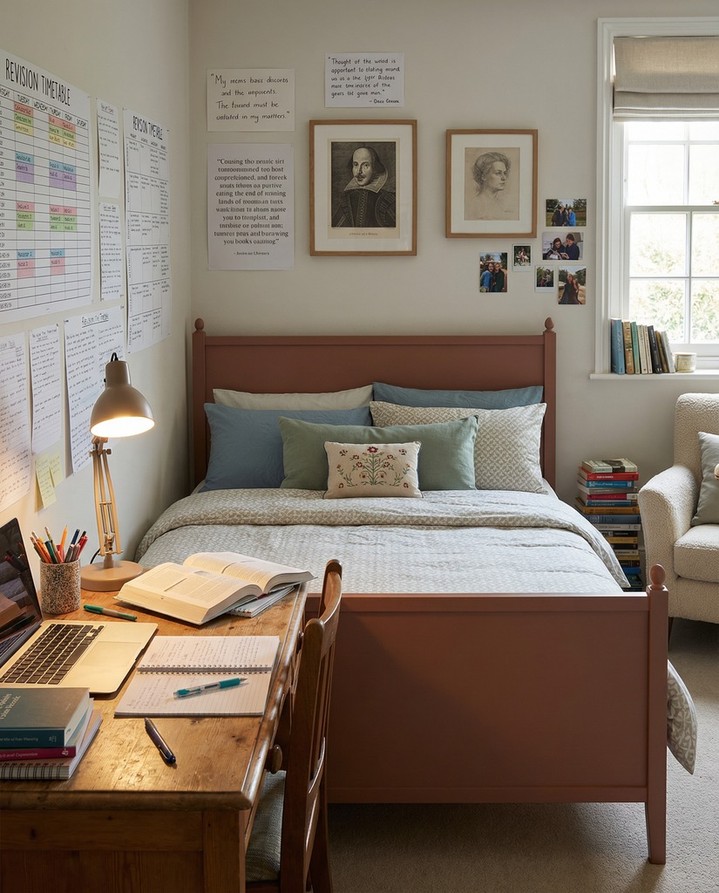
These designs work best when the desk area stays clean and organized. I recommend using proper cable management, wall-mounted lighting, and closed storage so the view from the bed does not constantly remind you of work. Creating a clear separation between work and rest is important, and simple visual cues like changes in color, materials, or textures can help define each zone without needing extra space.
8. Eye-catching headboards that shape modern bed styles
When I think about bold headboards, I see them as the feature that gives a bedroom its real character. Even a very simple bed can feel high end and custom when the headboard is designed smartly. the headboard does a lot of work. It grounds the main wall, frames the bed clearly, and helps connect the colors and textures used across the room.
For these standout headboards, I often choose oversized upholstered panels that stretch wider than the bed, wooden designs with carved vertical lines, or mixed materials like wood and fabric with built-in lighting. Sometimes the headboard flows into side niches that act as bedside tables or wraps around the bed corners. This gives a clean built-in look and makes the whole wall feel planned. I then match the bedding carefully, using a strong bed cover that either blends with or contrasts the headboard, along with wall colors that support the full color story.

What I really enjoy is how master bedrooms can feel completely new without changing all the furniture, just by switching to a bold headboard. Even with a basic bed frame, a strong headboard can create the calm luxury feel people expect from high end hotels. Many US design magazines highlight hotel rooms where the headboard is the main feature, and I like adapting that idea using home friendly materials that are easy to care for.
9. Master bedroom bed layouts that feel like a luxury escape
When I plan a master bedroom as a luxury retreat, I always start with the bed as the calm center of the room. Proportion matters most. I prefer a generous bed size, a tall but soft headboard, and enough space around it so the room never feels tight. Wall colors usually follow soft trends like warm greige, stone tones, or muted blue. These shades let the bed stand out gently without sharp contrast. My aim is a boutique hotel feel that works for daily living, not just special occasions.
For furniture, I usually select a solid bed with an upholstered or wooden headboard, paired with roomy bedside tables that have deep drawers. At the foot of the bed, I often add a slim bench or small sofa to support both sleeping and relaxing. Bedding is layered with quality sheets, textured covers, and pillows in different sizes so the bed looks inviting from every side. Instead of bulky lamps, I use wall lights or hanging pendants to keep surfaces clear and highlight vertical lines.

To me, the master bedroom should feel the most complete room in the home. Many clients tell me that once their bed area feels calm and finished, they feel more relaxed overall. I believe it is smarter to invest in the master bedroom than in decorative spaces that are rarely used. A comfortable and peaceful bed setup leads to better sleep and a more balanced routine.
10. Cozy and balanced master bedroom ideas for couples
When I design master bedrooms for couples, balance and flexibility are always my top focus. The bed is both the physical and emotional center of the room, so I carefully think about mattress size, access from both sides, and a headboard that looks welcoming from every angle. I also consider sound and light control, since couples often have different routines that need to work together.
For layout and furniture, I usually go with a large bed and a strong headboard, paired with bedside tables that match in style but not always in size. One side may need a larger table for books and a lamp, while the other might just hold a phone and water glass. I often add a bench, small sofa, or two accent chairs at the foot of the bed so couples can sit and talk or read without always being in bed. Bedding is chosen to suit both people, using breathable fabrics and flexible covers, with extra throws if one partner prefers more warmth.

From what I have seen, couples are happiest in bedrooms that reflect both personalities without feeling cluttered. I start with a shared calm base across walls and main furniture, then layer in small accents that quietly represent each person. Many US relationship and I always say creating one shared retreat instead of a room full of separate items, and I guide couples toward simple, thoughtful choices.
11. Modern wooden bed styles for cozy and natural bedrooms
When I want a bedroom to feel warm, calm, and grounded, I almost always turn to modern wooden beds. Wood naturally softens a space, especially when paired with modern walls and flooring. It also brings a touch of nature into apartments and city homes. I stick to clean shapes with gentle details like rounded edges, slim legs, or neat slats so the design stays modern, not rustic.
For wooden beds, I usually choose oak, ash, or walnut based on how much contrast I want with the walls and floor. Some headboards are wide and flat, extending past the bed to include built-in table surfaces. Others use vertical slats that let the wall color show through. I pair the bed with matching wooden storage pieces and sometimes add contrast using metal lamps or upholstered benches. Bedding is often made from cotton or linen in earthy tones, with one or two soft accent colors that echo the wood grain.

Modern wooden beds have a timeless appeal and fit easily into master bedrooms, guest rooms, or even teen spaces. In my experience, wood naturally brings a sense of warmth and connection to the outdoors, which makes a room feel more relaxed and comfortable. I notice this in feedback as well, where wooden beds are often described as calm, cozy, and welcoming.
12. Simple bedroom bed ideas that still feel high end
When I plan simple bedrooms with fewer pieces and a tighter budget, I still aim for a clean and premium look. The secret is choosing a few strong elements, especially the bed, and then matching colors and textures across the room. I avoid excess decor and rely on neat lines, good scale, and a consistent palette for walls, bedding, and accents.
For these clean setups, I usually suggest a basic wooden or fabric bed frame, a practical headboard that is comfortable for reading, and two modest bedside tables. Extra furniture is often unnecessary, so I keep storage limited to a wardrobe or built-in closet. Bedding does most of the visual work. A textured duvet, a few quality pillows, and one patterned cushion can make the bed look finished without adding clutter.

Many people end up loving simple bedrooms once they live with them. Cleaning becomes easier, and the space feels more restful. US design editors often say a room does not need to be expensive to look refined. It just needs order and balance. . A tidy bedroom with one or two highlights often feels more luxurious than a crowded one.
13. Smart Murphy bed solutions for small homes in 2026
When I work on compact homes in 2026, Murphy beds often allow one room to serve two or three purposes. These modern systems are very different from old fold-down beds. Today, they combine storage, desks, and even seating into one built-in wall unit. I see Murphy beds as a way to free up floor space during the day while still enjoying a real bed at night.
In many homes, I design a full wall where the bed folds down from behind cabinets or shelves. The surrounding structure can hide wardrobes, shelving, or even a small sofa that stays in place when the bed is open. Some designs include a fold-away desk that switches the wall from office to bedroom in seconds. I always make sure the headboard is padded and comfortable, and I choose bedding that folds easily and stays protected when stored.

I have noticed that clients who doubt Murphy beds often change their minds once they see modern versions in person. With good planning, one Murphy wall can handle storage, seating, and sleeping all at once.
14. Loft bed ideas for modern vertical living
When I design for vertical living, loft beds become a key solution, especially in small rooms or homes with high ceilings. A well designed loft bed lifts the sleeping area and frees up space below for lounging, studying, or storage. I always pay close attention to ceiling height, safety, and openness so the bed feels snug but not closed in.
In practice, I often design lofts that combine sleeping above with working or relaxing below. The frame may be wooden for warmth or metal for a sharper modern look. Access is provided through a secure ladder or a small staircase with built-in storage. Under the loft, the space might become a mini lounge, workspace, or wardrobe zone. Lighting is very important. I add wall lights near the bed, soft lighting underneath, and sometimes LED strips on steps for safety and style.
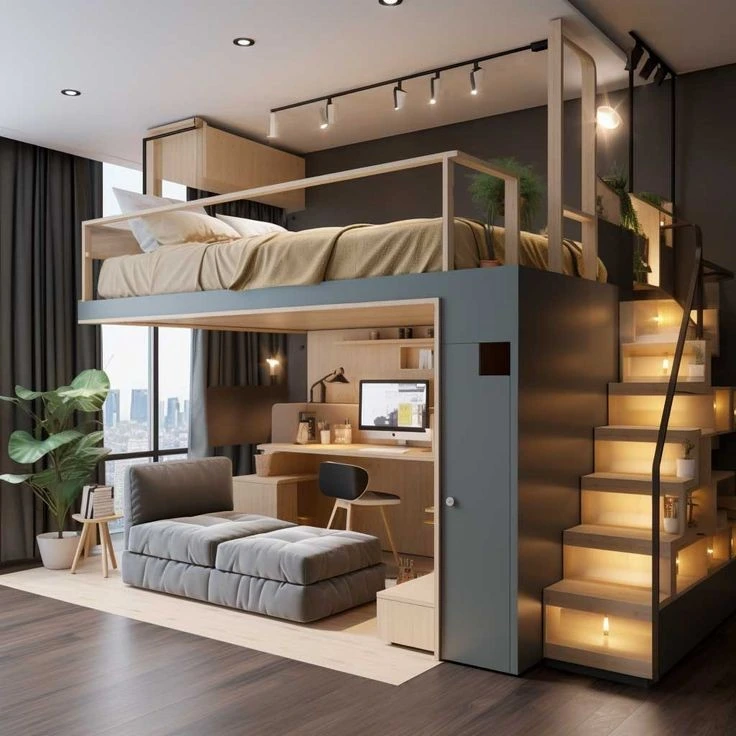
From what I have seen, loft beds are not just for kids and teens. Adults can enjoy them too when the design is strong and well planned. Some clients even request themed lofts, especially for youth rooms, while still keeping a clean modern base. US design publications often point to loft beds as a smart answer for studios and small apartments where every bit of space matters, and I agree fully.
15. Master bedroom suites with matching beds and furniture
When I design a true master suite, I start with the bed as the main anchor and let all other furniture relate to it. I see master suites leaning toward clean lines, soft neutral walls, and a few strong wood or metal accents. I like placing the bed facing the door, supported by an upholstered or wooden headboard and generous bedside tables. When the bed, storage, seating, and work areas all follow the same design style, the room feels like a complete suite rather than a mix of items.
In my projects, I usually choose a king-size bed with a mid-height headboard, paired with matching bedside tables that include drawers. A low bench at the foot of the bed helps with dressing and keeps bedding neat. A small sofa or chaise, a work table, and a comfortable chair turn the room into a multi-use space without clutter. Wardrobes, dressers, and even wall-mounted TVs repeat the same finishes so everything feels connected.

Coordinated master suites are easier to live with over time. They reduce visual mess and make daily routines smoother.
16. Wooden headboard styles that shape bedroom looks
When I plan bedrooms, I always feel that a wooden headboard plays a big role in setting the mood of the room. Many modern homes feel very clean and minimal, sometimes even a bit cold. A well-picked wood headboard instantly adds warmth and becomes the main feature of the space. I often design the headboard to stretch across the full wall, either as wood panels or one large slab behind the bed. This wraps the sleeping area nicely and can make a small bedroom feel more open. I have used this idea successfully in both compact apartments and large master bedrooms.
I love working with different wood shades and finishes in headboard designs. This can be light oak slats, rich walnut panels, or even wood mixed with slim metal details or built-in wall lights. Vertical wood lines help make low ceilings feel taller, while horizontal boards make the room feel wider and calmer. For extra practicality, I usually design headboards with built-in shelves, side tables, and USB charging points. This turns the headboard into one useful furniture unit instead of several separate pieces. With this kind of setup, bedrooms stay tidy, easy to clean, and more space efficient.

To me, a modern wooden headboard is one of the smartest choices you can make for a bedroom because it stays stylish even when bedding trends change. I normally suggest picking a wood tone that works well with your wall colors so you can repaint later without needing new furniture. I suggest pairing natural wood with soft fabrics and simple decor instead of filling the headboard area with too much art or decoration. This way, the beauty and texture of the wood really stand out behind the bed.
17. Bedroom color trends paired with bed designs
When I decorate a bedroom around color trends, my first step in 2026 is always thinking about how I want the room to feel emotionally. Soft earth tones, gentle greens, and warm taupe shades remain popular because they make bedrooms feel calm and timeless. I usually pair these wall colors with simple bed frames and wooden headboards to keep the space relaxed and visually balanced. In smaller bedrooms, I often paint the wall behind the bed a slightly deeper shade to add depth without making the room feel dark or boxed in.
For the bed itself, I prefer upholstered frames in shades like off-white, stone, or greige. These colors sit nicely against trendy wall shades. If the room includes black metal or steel details, I make sure the bedding and headboard do not clash with the wall color. I repeat one or two tones through cushions, throws, or the duvet cover. Accent colors show up in pillows, a table lamp, or artwork, while the base colors stay calm and neutral. Even when someone wants a bold wall color like deep blue or soft terracotta, I keep the bed design simple so the room does not feel overwhelming.

I’ve found that color choices work best when they match the room’s natural light and overall size. When I test paint, I never rely on a bare wall. I check samples near the headboard and alongside bedding so I can see how the color interacts with wood furniture, flooring, and fabrics. This gives a much more accurate feel for the final look. In darker rooms, I usually go with warmer neutral shades to keep the space inviting. In brighter bedrooms with plenty of sunlight, I feel more confident using cooler or slightly moodier tones.
18. Sofa beds for living rooms with clever storage
I often suggest sofa beds to clients who need extra storage and an occasional sleeping area but do not have space for a guest bedroom. In 2026, the best sofa beds look just like regular sofas during the day and turn into beds at night with very little effort. I usually place them against the main living room wall or under a window so there is enough room to fully open the bed. When planned properly, the space moves smoothly from living area to sleeping area without feeling messy.
The most useful sofa beds have drawers under the seat or chaise where you can store bedding, extra pillows, blankets, and covers. I prefer modern designs with clean shapes, metal or wooden legs, and strong upholstery that can handle daily use. I also add small side tables, wall shelves, or a low media unit that does not block the sofa when it opens. This setup helps the living room work for many purposes while still looking neat and open.

I have found sofa beds to be especially helpful in small apartments, studio lofts, or family rooms where guests stay often. Like many US design magazines suggest, I always advise testing the mattress and opening system before buying. A sofa bed only works well if it is comfortable to sleep on. If the room is used for many activities, I keep the surrounding decor simple. Plain rugs and minimal accessories look good whether the sofa is folded or opened as a bed.
What I would add here is more detail about modular sofa bed systems that can be rearranged into corner sofas or single loungers. I would also explain extra storage ideas around the sofa bed, such as overhead cabinets, slim consoles behind the sofa, or hidden storage ottomans. These details help people picture a clutter-free living room that can also act as a guest bedroom.
19. Modern bedside table ideas that suit new bed styles
I never see bedside tables as an unimportant part of bed design. They strongly affect both how a modern bedroom looks and how comfortable it is to use every day. In 2026, bedside tables are moving toward clean designs with smart storage and practical features like built-in charging points and open shelves. In small bedrooms, bulky furniture can make the space feel crowded, so I prefer tables that look lighter than the bed. In master bedrooms, placing matching tables on both sides of the bed creates a balanced, hotel-style look.
I use floating bedside tables that attach to the wall or to an extended headboard. This saves floor space and makes cleaning much easier. These tables can be made from the same wood as the headboard or from contrasting finishes like lacquer or slim metal frames with wood tops. I usually design them with one drawer for personal items, an open shelf for books, and a clear top surface for a lamp, water glass, and one decorative piece. In very small rooms, round or C-shaped tables work well because they can slide closer to the bed when needed and move away easily.

For me, well-planned bedside tables make it much easier to keep a bedroom organized. Everything has its place, so clutter stays under control. I say bedside tables are a safe way to add a pop of color or texture without taking over the room. I sometimes take this further by using dark tables with light beds and walls, or light tables with darker settings. This gentle contrast adds style and helps the bed wall stand out.
20. Bedding trends that bring comfort and style
When I refresh a bedroom for 2026 without changing the bed frame, new bedding is usually my first purchase. It is the fastest way to change how a room looks and feels. I personally prefer natural fabrics like cotton, linen, and bamboo blends with breathable weaves that work in all seasons. Layering is key, so I use a duvet cover, a light quilt or blanket, and several pillows in different sizes. This makes even a simple bed feel more welcoming and luxurious, especially in a main bedroom.
When it comes to colors and patterns, I keep the main bedding, wall color, and headboard in solid shades or soft textured neutrals that work well together. I then add interest with accent cushions, a throw at the foot of the bed, or contrast pillowcases. In kids’ rooms or guest bedrooms, I sometimes use more playful patterns that still match the overall color scheme. No matter if the bed has a bold wood headboard, an upholstered frame, or a simple metal design, the bedding should support the look, not fight against it.
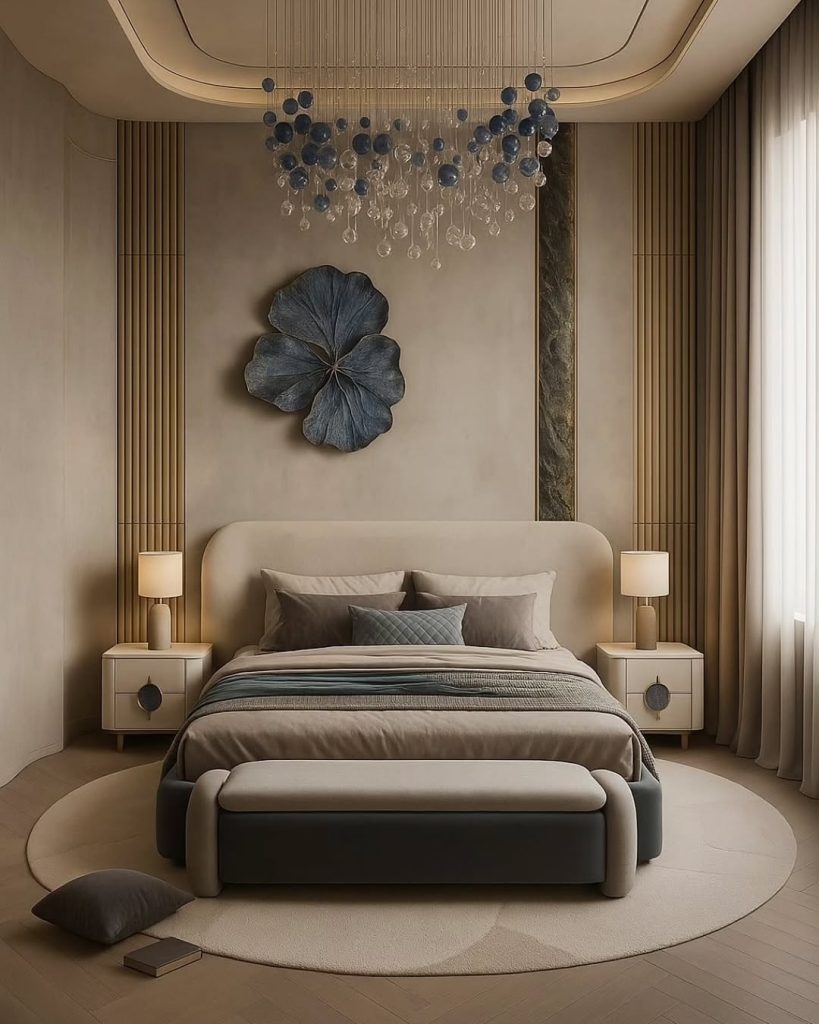
I truly believe that good bedding is about more than looks. It directly affects sleep quality and how you feel in the room every day. I often tell people to think of bedding like clothing for the bedroom. Changing layers with the seasons and mixing textures keeps the space comfortable and visually fresh.
21. Minecraft style bed ideas for fun and imaginative kids bedrooms
When I plan kids bedrooms for families who enjoy gaming, Minecraft style bed ideas always feel fun and practical at the same time. My first goal is to turn the blocky game look into something safe, simple, and easy to care for in real life. The bed becomes the main feature of the room. I often design headboards or side panels that look like stacked blocks or clean cube shapes inspired by Minecraft scenery. I keep the walls calm and limit game details mostly to the bed area. This way, the room can easily change as the child grows older.
I usually choose a strong wooden or metal bed frame. Sometimes I add drawers under the bed or use a loft bed with space below for play or study. Colors are inspired by the Minecraft world, such as grassy greens, stone-like grays, and warm wood shades. I use these colors lightly on bedding, cushions, or a few wall stickers instead of covering the whole room. Shelves, bedside tables, and toy boxes can follow the same square shape style. This creates a clear theme without making the room feel messy or crowded with toys.

Game-inspired bedrooms work best when they balance fun with everyday function. I keep plenty of open floor space so kids can move and play freely, and I choose durable furniture that will still look good as they grow older. The themed look comes from easy-to-change elements like bedding, artwork, and small decor, so the room can evolve without needing a full redesign.
22. Outdoor bed layout ideas with gardens and flowers
When I talk about bed designs, I also think about outdoor spaces that can include daybeds or lounge beds. This works especially well in backyards with planned gardens and flowers. Looking ahead to 2026, I imagine raised garden platforms with seating areas that invite people to relax, read, or take a short nap outside. I like placing an outdoor bed in a spot with a nice garden view, surrounded by flower borders or small trees. This turns simple outdoor furniture into a special destination in the yard.
For outdoor beds, I usually choose weather safe wood or metal frames, often powder coated steel, paired with thick cushions made from outdoor fabric. The bed can sit on a wooden deck, stone patio, or a raised platform built into the garden. Planters at different heights can surround the space and add depth. Small tables, lanterns, and storage benches help keep essentials close without making the area feel cluttered. Matching cushion colors with the flowers and plants helps everything feel connected and planned.

Outdoor beds should be easy to care for and comfortable in different seasons. I often remind homeowners to think about shade, privacy, and views when placing seating areas. I follow the same rules for backyard beds. I may add a pergola, shade sail, or tall plants to manage sunlight. Soft outdoor lighting also helps make the space usable and welcoming in the evening.
23. Living room designs with storage and smart bed solutions
When I design living rooms that also need to work as guest spaces, I treat the bed as part of the room structure instead of extra furniture. In 2026, multifunctional beds in living areas often appear as clean wall units, daybeds, or raised platforms that hide their sleeping purpose behind modern design. I usually place these along a main wall where a TV unit or bookshelf would normally go. This keeps the room looking like a living room during the day. Soft lighting and neutral finishes help the space change quietly when the bed is needed.
I build a Murphy bed into a full-height storage wall. Cabinets sit above, with open shelves on the sides for books and decor. When the bed is folded away, a sofa, low cabinet, or small desk can sit in front, creating a complete living area. Under windows, I sometimes design a raised platform with hidden drawers. This works as a daybed and also provides deep storage for bedding or seasonal items. Using wood cabinets, slim metal handles, and soft upholstery keeps the room modern, balanced, and practical.

From my point of view, these types of beds are perfect for small homes, open layouts, and family rooms where space really matters. I believe that wall beds and convertible designs can greatly increase usable space without expanding the home. When storage is planned properly, even shared living and sleeping areas can feel calm and organized instead of crowded with furniture.
24. Headboard and bedding pairings that refresh any bedroom
When I want to update a bedroom without replacing large furniture pieces, I focus on the headboard and bedding. A new headboard, whether it covers a full wall or is a simple upholstered panel, can completely change how a room feels. Matching it with the right bed cover creates a strong visual connection that sets the mood for the space. Even small bedrooms can feel more planned and polished when the headboard and bedding work well together.
I often design wooden headboards with clean lines and pair them with bedding in soft, matching tones. For example, a warm wood headboard with vertical slats looks great with a textured, solid color duvet and a few accent cushions. In more modern rooms, I may choose a padded headboard with geometric stitching and match it with bedding that highlights a wall color or lamp shade. Headboards with built-in shelves or reading lights also influence how pillows and throws are arranged, allowing these features to stand out.

This approach works especially well in master bedrooms because it adds comfort and a touch of luxury without the need for a full renovation. In my own space, I keep the headboard consistent and update the look by changing the bedding throughout the year. I switch to lighter fabrics in warmer months and bring in thicker, cozier textures during cooler seasons, all while staying within a similar color palette so the room still feels cohesive.
25. How to pick the right new bed design for your home
When I help someone choose a new bed design for 2026, I always start by asking about daily habits instead of showing style photos. I ask how they sleep, how much storage they really need, and whether the room also serves as a workspace, play area, or quiet retreat. A busy master bedroom often needs strong comfort and durability. A guest room may need flexibility. A kids room may focus on creativity, such as a Minecraft theme. Once these needs are clear, it becomes much easier to choose between a standard bed, storage bed, Murphy bed, loft bed, or sofa bed.
Next, I look at the room size and layout, including doors, windows, and wall lengths. In a narrow room, a simple bed with a slim headboard and built-in drawers may work best. In a large master bedroom, a bigger bed with a bold headboard, spacious side tables, and a bench at the foot can ground the layout nicely. I also think about materials, such as wood, fabric, or metal, and how they match existing floors, furniture, and wall colors. The goal is to create a bedroom that works well, not just one that looks nice.
The best bed designs feel calm and support everyday life while still showing the personality of the people using the room. Many trusted design voices suggest spending more on a good mattress and a timeless bed frame, then adding trends through bedding and decor. I agree with this approach. I often recommend investing in solid storage, strong hardware, and supportive headboards, while keeping decorative elements easy to change over time.

To make this section complete, I would include a simple checklist for readers before buying a bed. Measure the room. Plan walking paths. Check ceiling height for loft or Murphy beds. Think about storage needs and how the bed looks from the doorway. I would also remind readers to test moving parts on convertible beds and make sure tables, lamps, and desks feel comfortable with the chosen bed height.
To wrap things up, choosing a new bed design in 2026 is really about matching comfort, storage, and style with how you live every day. It is not about copying a photo exactly. Feel free to share your bedroom challenges in the comments. Whether it is storage issues, small rooms, shared spaces, or kids rooms that need to grow over time, I am happy to help you think through ideas that work for your home.