

Bed Aesthetic 2026: Warm Bedroom Looks And Trending Aesthetic Styles
Creating a bed aesthetic that feels warm, modern, and personal is one of the biggest home trends heading into 2026. Based on my own testing and styling experience, the right bed setup can improve your sleep, your mornings, and even your daily mood. So how do you design a bed that feels cozy at night, calm in the morning, and stylish all day long? It comes down to smart bedding choices, soothing colors, layered textures, and well planned furniture placement.
In this guide, I share practical and realistic ways to build a bed aesthetic that feels comfortable, looks beautiful, works well for daily life, and reflects your personality. I naturally explore ideas around bed aesthetic cozy, bed aesthetic night, and bed aesthetics throughout this article while focusing on real bedroom styling trends for the future.
1. Bed Aesthetic 2026: Cozy Living Meets Everyday Home Comfort
For 2026, bed aesthetics are all about relaxed luxury that feels easy to live with. I see a strong move toward soft materials paired with clean structure to create bedrooms that feel welcoming but still modern. One trick I always recommend is layering bedding in a way that looks neat yet soft. I usually start with a textured base layer that feels comfortable, then build on top so everything stays tidy and inviting.

Natural wood tones, sage green accents, airy fabrics, and gentle sunlight help create a calm mood that supports rest. This type of setup works especially well for people who want a bedroom that feels peaceful while still looking stylish year round.
When I style bedrooms like this, I focus on solid basics such as a strong bed frame in neutral colors, plush pillows, bedding, warm beige throws, and soft rugs. I often add white ceramic lamps, personal decor pieces, and green plants to bring life into the space. Each item adds warmth without making the room feel crowded. Soft color palettes like beige, brown, and sage green give the eyes a place to relax.
I have learned that mixing textures makes a big difference in how a space feels. I combine materials like cotton, linen, and knit layers to create a cozy and natural look. This approach adds depth and interest without making the room feel cluttered.
To finish this look, I like adding a small bench or reading nook at the foot of the bed. It makes the room more useful while keeping the cozy vibe strong.
2. Minimal Calm Or Bold Expression: Bed Aesthetic Trends
While researching bed aesthetic trends, I noticed a clear split between calm minimalist styles and bold maximalist designs. Minimalist bedrooms focus on soft white, beige, and sage green tones. Maximalist spaces lean toward richer shades like brown, black, or pink and include more patterns. I personally enjoy how both styles have become more polished, giving homeowners freedom to choose what fits their personality.

When I design minimalist bedrooms, I use smooth wooden furniture, clean white bedding with subtle patterns, and gentle lighting. For maximalist spaces, I bring in dramatic bed frames, layered blankets, bold artwork, and statement pillows. I often balance these looks with soft blue accents or rounded decor shapes to keep the room feeling intentional and comfortable.
Personal taste matters more than trends when it comes to bedrooms. I guide clients toward styles that reflect how they want the space to feel, rather than simply following what is popular.
3. Bed Aesthetic Cozy 2026: Creating A Warm And Relaxing Sleep Space
When I design a cozy bed aesthetic, comfort is always the top priority. This look includes soft beige bedding, layered throws, plush rugs, and warm lighting that makes the room feel safe and relaxing. The cozy aesthetic for 2026 takes inspiration from hygge and cloud like interiors where everything feels soft, layered, and welcoming.

I usually choose thick knit blankets, neutral bedding, supportive pillows, warm wood furniture, sage green accents, and rounded decor pieces. Soft curtains, natural materials, and a small lamp help complete the room. Every choice is made to increase comfort while still staying practical.
From working with clients, I have seen how cozy bedrooms help lower stress. Sleep research shows recommend avoiding harsh colors and using warm adjustable lighting at night. I follow this advice closely and always choose lighting that works well for evenings and mornings.
4. Evening Atmosphere: Bed Aesthetic Night Styles For Better Sleep
A bed aesthetic night look focuses on calm, darkness, and quiet energy. I see this trend growing fast for 2026 as more people want deeper and better rest. I create this look using darker shades like black, brown, navy, and sage green. Soft textures, low lighting, and gentle shadows help build a restful and modern bedroom feel.

I prefer using dark wood bed frames, black nightstands, warm amber lamps, and matte finishes. I often pair dark bedding with thick curtains, cozy rugs, and reading lamps. Adding green plants keeps the space feeling natural without breaking the nighttime mood.
Night-focused bedrooms work best when distractions are kept to a minimum. I replace bright screens with soft, warm lighting to create a calmer atmosphere. This approach supports better sleep habits and helps the room feel more relaxing at the end of the day.
5. Gentle Starts: Bed Aesthetic Morning Routines For Calm Days
The bed aesthetic morning style is designed for slow and peaceful routines like stretching, journaling, reading, or enjoying coffee in bed. I see this aesthetic becoming more popular in 2026 because it helps people ease into their day. I usually stick with soft white bedding, light beige accents, and natural light tones to create a fresh and uplifting mood.

My go to pieces include a simple wooden bed frame, lightweight throws, white bedding, airy curtains, and warm lamps. A small side table for breakfast or a round mirror adds to the morning routine setup. Every item supports comfort and ease.
Bedrooms with more natural light can instantly boost morning energy. I pay close attention to window placement and how light enters the room, because it has a strong effect on how the space feels at the start of the day. This simple focus helps create a brighter and more refreshing bedroom.
6. Bed Aesthetic Ideas: Smart Layouts, Soft Layers, And Details
When I think about bed aesthetic ideas for 2026, I focus on thoughtful layouts and simple details that improve both function and beauty. I often design rooms with clear space around the bed, balanced furniture placement, and layered bedding that looks intentional rather than crowded. Colors like white, beige, sage green, and soft blue work especially well.

I usually include a sturdy bed frame, nightstands, warm lamps, storage benches, and rounded wall decor. Layering materials like cotton, knit, and linen keeps the bed inviting. Small personal touches such as a nearby pet bed or reading light add character without getting in the way.
Arranging your space matters just as much as decorating it. I often remove one item before adding a new one to keep the room balanced and uncluttered. This simple habit helps maintain a clean and well-organized space over time.
7. Bed Aesthetic Girl Style: Soft Feminine Comfort With A Modern Touch
The bed aesthetic girl look for blends soft shades like pink, white, and sage green with clean and modern furniture. I often design this style to balance femininity with structure so the room feels elegant but not overly cute. It works well for bedrooms that want both cozy and stylish energy.

The furniture I choose usually includes a simple bed frame, pastel bedding, round mirrors, warm lamps, and soft textures. I like adding fluffy rugs, pink curtains, and small decor items like candles or books. These details create a gentle yet polished look.
Feminine styles look best when the color palette stays consistent. When I design this type of space, I choose one main pastel shade and build everything around it. This keeps the room feeling calm, soft, and visually cohesive.
8. Shared Bed Style Goals: One Bed Made for Two Different Tastes
When I plan a shared bed look for couples, I always begin by listening to both people. I want to understand what each partner likes and where they are different. In 2026, most couples want a bedroom that feels cozy, useful, and personal at the same time. One partner might love a dark and moody bed style, while the other prefers a light and cozy feel. My aim is to blend both styles so the room feels welcoming for two people and still supports good sleep, easy talks, and closeness.

To make this work, I usually start with a calm and neutral base. I often choose a daintyduvet bedding set in white, beige, or sage green. Then I add pillows and throws in colors both partners enjoy, like blue, brown, or pink. I like using matching nightstands on each side of the bed, but I switch up the lamps or small decor so each person has their own touch. A round mirror, a soft rug, and a strong bed frame help the room feel stable and complete. This setup lets both people keep their own book, coffee mug, or decor items while the main design stays peaceful and balanced.
From my experience, great couple bedrooms come from compromise and thoughtful layout choices. I often rely on symmetry because it creates a sense of balance and fairness in a shared space. I use matching or repeated furniture pieces where possible to keep the room feeling calm and organized. I also make sure there are a few shared elements, like a comfortable duvet or a cozy bench at the foot of the bed, so the space feels inviting for both people.
To finish this space, I like adding soft lights with dimmers and a small shelf for shared books or framed photos. Personal items like these help the room feel warmer and more meaningful for both partners.
9. Deep Sleep Vibes: Dark Bed Styles With Soft Layers
For a deep and moody bedroom look, I design the space to feel like a safe cocoon, not a dark cave. In 2026, dark colors are paired with lots of texture to help block noise and light for better rest. I use shades like black, deep brown, and dark green, mixed with fluffy fabrics and warm lighting. The result is a bedroom that feels bold, cozy, and very relaxing.

The main items I choose include a dark wood or black bed frame, thick daintyduvet bedding in charcoal or deep green, and layered blankets that feel soft and airy. I often add a black or dark brown rug, heavy curtains, and bedside lamps with warm bulbs. A canopy can work well here, especially when made with sheer dark fabric that still lets some light through. Small round decor pieces made of metal or wood help the walls feel more structured and less flat.
This style is perfect for anyone who wants a break from bright screens and busy days. Many design magazines in the US suggest dark colors for rooms meant for rest, as long as they are balanced with soft textures and good lighting. I follow this idea by avoiding shiny finishes and choosing matte surfaces and comfy fabrics instead.
To make the room even more useful, I like adding a small padded bench or a round ottoman at the foot of the bed. It gives you a place to sit or set things down without messing up the layered bedding.
10. Soft Dream Look: Pink and Pastel Bed Styling
When I create a soft dream bedroom, I treat the bed like it is floating in a pastel sky. This pink bed style is great for anyone who wants a cute but mature room that feels light, airy, and dreamy. I mix soft pink with white and sage green to create fluffy layers that feel cloud-like but not childish. The whole room ends up glowing like a gentle sunrise.

I usually choose simple furniture for this look. A white or light wood bed frame works best, paired with a pastel daintyduvet bedding set. I add pink throws, soft cushions, and pillows with light patterns like gingham for extra depth. Round rugs, circular mirrors, and delicate side tables give structure without overpowering the soft colors. I also like adding a small reading corner with a chair or bench so the room feels cozy and grown up.
The key to this style is not overdoing it. Many professional stylists suggest limiting colors so the room feels neat and well planned. I stick to one main pastel, usually pink, and one or two background shades like white and sage green. This keeps the space calm and easy to live in.
I always suggest using warm white light bulbs instead of cool ones. They help keep the pink tones soft and make the room feel even more cloud-like.
11. Camera Ready Comfort: Bed Styling for Video
With more people creating content online, I often design bedrooms that work well for bed-focused videos. Bedrooms need to look good in real life and on camera. I focus on clean shapes, balanced layouts, and framing the bed as the main feature. The goal is to have the room look great from many angles, whether someone is filming a morning routine, a cozy vlog, or relaxing in bed.

I choose furniture and decor that looks tidy on screen. This includes a well-made bed with layered daintyduvet bedding, neat nightstands, a few plants, and a simple feature wall behind the bed. For added texture, I use round mirrors, framed art, or a canopy to give the background more interest. Light bedding colors like white or beige reflect light well, while blue, green, or pink can add personality. I also plan space for a phone stand or tripod so filming feels easy.
Based on what I have noticed, lighting matters most for video setups. Many creators and I always say mixing natural light with warm lamps to avoid harsh shadows. I often recommend a ring light or softbox that can be tucked away, along with adjustable bedside lamps to create depth.
12. Still Moments: Tips for Bed Photos
When I help someone style a bedroom for photos, I focus on how the room looks in a single frame. Unlike video, a photo captures one quiet moment. It could be someone sleeping, a pet curled up on the bed, or breakfast on a tray. I plan the room so every detail feels intentional, from pillow placement to small decor items.
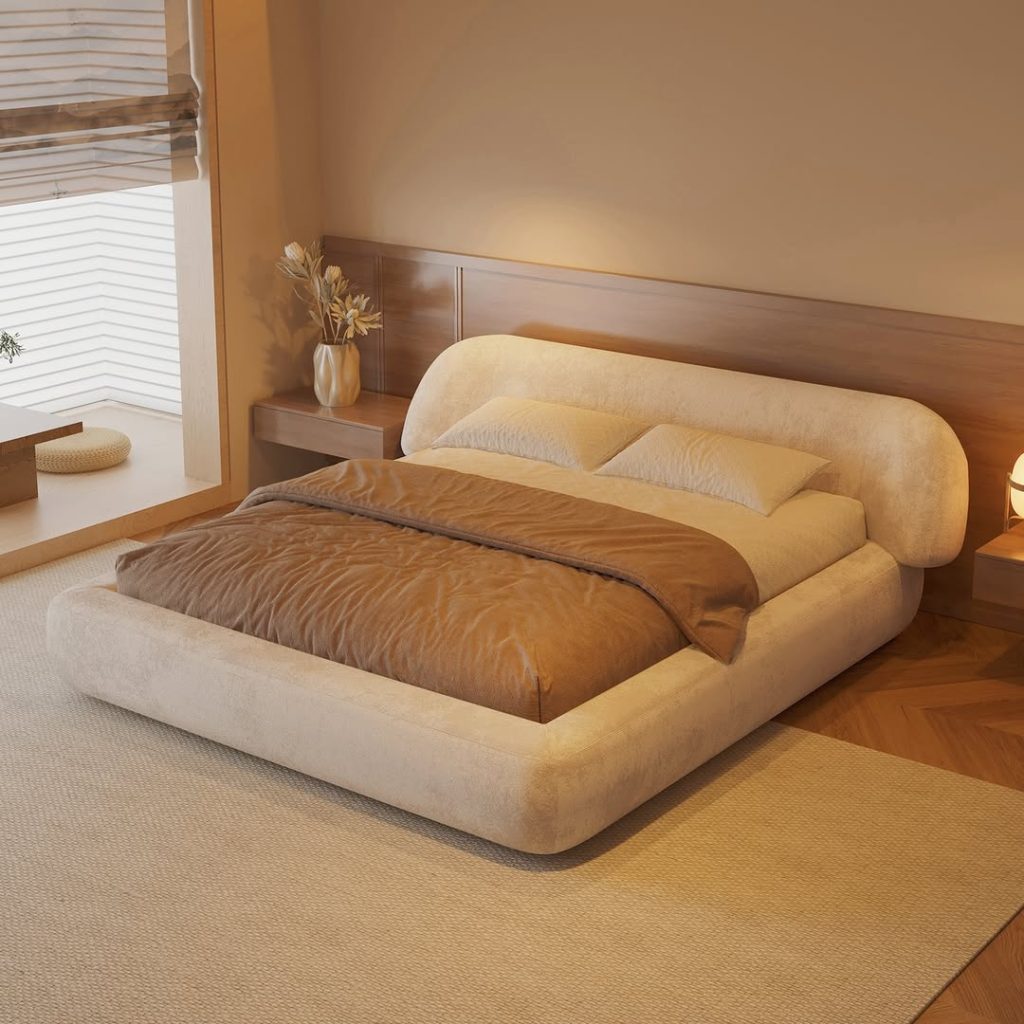
I choose items that photograph well. Clean daintyduvet bedding, textured throws, a simple side table, and a few carefully chosen props work best. An open book, a coffee cup, or a fluffy pet can bring life into the photo. I avoid too many props and stick to one or two strong pieces, like a round mirror or a soft blanket, to guide the eye. Colors like white, beige, sage green, and soft pink usually look great in photos.
the best bed photos are often taken from one corner of the bed or slightly above, looking down at the layers. Many photographers suggest shooting near a window, turning off strong overhead lights, and lightly messing up pillows so the bed feels lived in but still tidy. I use this approach to create photos that feel real, cozy, and inspiring.
I also recommend keeping the same editing style or filter across all photos. This helps the bedroom images feel connected on social media or a blog.
13. Complete Bed Styling
After choosing a bedding set, I style the rest of the room around it to create a finished and well-planned bed look. Whether I am working on a girls room, a shared couple space, or a calm morning retreat, I let the bedding colors and patterns guide my choices. This helps the room feel connected instead of randomly styled.

I usually pair bedding with a neutral bed frame, comfy pillows, and layered throws that repeat one or two colors from the duvet. In smaller rooms, I might add a bunk bed or loft bed. In larger rooms, I often use a simple platform bed. Round mirrors, curved bedside tables, and soft rugs echo the shapes found in the bedding. I also include useful items like reading lamps, small benches, and storage pieces so the room is practical. If the bedding has green or sage tones, I often add plants to bring in a natural feel.
One of the easiest ways I create a strong bed setup is by starting with a bold bedding set and keeping the rest simple. I use one main fabric as the base and then repeat its colors and textures in small ways around the room to keep everything connected without overcomplicating the look.
I also like to mention that switching pillow covers and throws with the seasons can refresh the room while keeping the same core duvet all year.
14. Soft Escape Style: Creating a Floating Canopy Bed
When I design a cozy canopy bed, my first thought is to make the space feel like a soft shell around the sleeper. I usually place the bed on the main wall and use the canopy frame to draw the eye upward, adding height and light to the room. For a modern look, I keep canopy frames thin and simple. I use sheer white or beige fabric that can be closed at night for privacy and opened during the day. This setup works well for couples who want personal space or anyone who wants a hotel-style feel at home.

For the main pieces, I often use a simple four-poster bed frame with a duvet in a soft neutral or sage green. I layer it with fluffy pillows and a cozy throw at the foot. Slim bedside tables with hidden storage help keep clutter away from the canopy. Warm lamps with dimmers create a soft glow at night. A low bench, a plush rug, and long window curtains help the room feel enclosed and calm. If there is space, I like adding a comfy reading chair near the window so the bed is not the only place to relax.
Canopy beds used to feel heavy, but in 2026 they are lighter and easier to live with. When clients worry that a canopy will make the room feel small, I remind them that thin frames and light fabrics often feel airier than a solid headboard. I have found suggest using soft fabrics that can be layered to reduce light and noise, which helps improve sleep. I personally find that a well-designed canopy helps me relax faster and feel less distracted by screens.
One thing I always add to canopy rooms is a touch of contrast. I like using small black details in the frame or hardware so the space does not feel too sweet. I also include one or two simple decor items, like a cloud-shaped pendant or a round mirror, to keep the softness without clutter. For me, this mix of romance and simplicity is what makes canopy beds feel fresh and modern in 2026.
15. Choosing Green Tones: Sage Green And Other Nature Inspired Bed Colors
When I plan a bedroom built around green shades, I always imagine the bed as the calm center of the room. Green helps create a peaceful, nature inspired mood that supports rest and focus. A sage green bed look feels especially fresh for 2026. It blends cozy comfort with simple modern lines. It works just as well for a bed aesthetic girl who loves plants as it does for a couple wanting a refined and relaxing space. I often paint the wall behind the headboard in a soft sage green and keep the other walls a gentle white or a light beige. This frames the bed in a calm, leafy way. This color mix instantly brings to mind forest air, morning walks, and a slower pace of life.

For the bed itself, I usually choose a padded headboard covered in textured green fabric. I pair this with crisp white sheets and a duvet set in soft green and beige tones. To add gentle pattern without disturbing the calm, I sometimes use a gingham throw or a cushion in soft green and white. Light oak or warm brown bedside tables keep the look grounded. Plants on the windowsill and a woven basket or two add natural texture. Lighting matters a lot here. I stick to warm white bulbs and soft bedside lamps so the green shades stay warm and inviting at night.
Green color schemes work especially well for creating a calm and refreshing bedroom without feeling too intense. In my experience, green naturally brings a sense of balance and connection to nature, which helps the space feel more restful. I’ve seen this in client reactions, where green bedrooms are often described as peaceful and easy to wake up in. When I use shades like sage green in my own space, I notice I feel more relaxed. It sets a slower pace for the morning, whether I’m having coffee in bed or reading quietly, and the bed starts to feel like part of the overall environment rather than just a separate piece of furniture.
One thing I often add to finish these rooms is a slightly deeper green or a touch of black. This might be in a lamp base or a picture frame so the room does not look flat in photos. I also suggest one statement artwork above the bed, like a botanical print or a simple landscape. This pulls all the green tones together. In my view, this final layer turns a basic green setup into a complete bed aesthetic that looks just as good in real life as it does in photos.
16. Warm And Grounded: Brown And Beige Bed Styles
When I design a brown and beige bed look, my goal is to capture the warmth of a cozy lodge while keeping the light feel of a modern home. I usually start with neutral walls in warm white or pale beige. Then I let the bed become the richest element in the room. A brown upholstered headboard, especially in suede or boucle, adds a welcoming feel at night. This color mix often feels like golden hour light that lasts all day. It is perfect if you want a bed space that invites you to curl up with a book or a pet.

To build this look, I mix several shades of brown and beige across bedding, rugs, and furniture. Comfort and depth come from a beige duvet cover from, fluffy pillows in caramel and cream, and a knitted throw at the foot of the bed. Wooden bedside tables and a low brown bench help anchor the space. A large woven rug under the bed adds softness underfoot. I also pay attention to storage. Wooden dressers or wardrobes in warm tones help the room feel unified instead of looking like random pieces placed together.
Earthy color palettes are some of the easiest and longest lasting bed styles you can choose. Design advice from US publications often says warm neutrals make small bedrooms feel cozy without feeling tight. They also age better than cool gray trends. I agree with this completely. When I sleep in a brown and beige room, I relax easily without getting bored. The different textures keep things interesting even though the colors are soft. These rooms also photograph beautifully, which is great if you enjoy sharing bed aesthetic photos now and then.
What I usually add to finish an earthy room is one unexpected accent and a bit of contrast. This could be a sage green plant pot, a black metal floor lamp, or even one blue cushion. I also like soft patterned curtains, such as a gentle stripe, to break up large beige areas. these small touches turn a simple neutral setup into a thoughtful and layered 2026 bed aesthetic.
17. Extra Comfort: Textures That Make Beds Hard To Leave
When I focus on cozy textures, I care less about color and more about how everything feels. I think about every surface you touch while lying in bed or reading for hours. I see the whole room as a comfort zone, not just the mattress. That means rugs, curtains, throws, and even wall finishes matter. A cozy bed aesthetic combines smooth sheets, fluffy layers on top, warm wood underfoot, and soft upholstery. This approach works for almost any style, from minimalist black and white to darker, moodier setups.

For the bed, I always start with a good mattress. Then I build layers from smooth to chunky. I might use crisp cotton or linen sheets, followed by a textured duvet cover from. On top, I add pillows in different fabrics like velvet and boucle. A thick knitted throw at the foot of the bed adds warmth. Deep pile rugs on both sides make sure your feet land on something soft. An upholstered headboard helps with comfort when sitting up. I also include soft curtains and a padded bench or ottoman so the whole room feels plush and inviting.
I have seen how powerful texture can be. When a room is layered well, people actually use their beds for more than sleeping. Clients tell me they watch movies in bed, enjoy breakfast there on weekends, or sit quietly with coffee in the morning. Many American design sources stress that how a room feels is just as important as how it looks. I completely agree. Even simple color schemes feel rich when there is enough fabric and material variety.
What I usually recommend for these rooms is a bit of restraint. It is easy to add too many fluffy blankets and cushions and end up with a messy look that is hard to maintain. I suggest keeping only the pillows you use plus two or three decorative ones. I also advise limiting the color palette to three or four related shades. In my view, this keeps the room cozy without making daily bed making a chore.
18. Peaceful Evenings: Blue Bed Looks
When I design a blue bed style for 2026, I use the color to create a cool and calming feel. This works well for warm climates, busy lifestyles, and anyone who likes a clean hotel inspired bedroom. I usually place the bed against the main wall and treat that wall as the key blue feature. This could be through paint or a large upholstered headboard in soft navy or denim. The rest of the room stays light with white or pale gray walls. This allows the blue bed to stand out and draw you in at the end of the day.

For furniture, I prefer a modern platform bed with clean lines. I dress it in blue and white bedding that feels fresh without being cold. A textured duvet set from Vkeeps the look interesting. Blue cushions and a throw at the foot of the bed pull everything together. I like slim black metal bedside lamps for a modern edge. Artwork that hints at blue tones, like abstract seascapes, works well without being too obvious. A low dresser and a simple chair keep the room open and restful.
From my experience, blue bedrooms feel especially calming at night. The color tends to recede visually, which makes the room feel deeper and more spacious. I have noticed that this creates a more relaxed atmosphere, helping people unwind more easily. In the morning, natural light brings out a fresh and clean feel, so the same space feels bright and refreshing.
To keep blue rooms from feeling cold, I always add warmth through materials. A warm brown wood floor, a beige rug, or a woven basket balances the cool tones. I also include one or two green plants so the room feels alive. In my opinion, this mix makes a blue bed aesthetic for 2026 feel comfortable, lived in, and timeless.
19. Soft Patterns: Using Gingham In Modern Bedrooms
When I use gingham in a bedroom, I keep it balanced so it adds charm without overpowering the space. Gingham brings a playful and nostalgic feel. By pairing it with clean lines and modern furniture, it feels current for 2026 instead of old fashioned. I usually keep the walls plain and use gingham on bedding or a throw rather than on walls or curtains. This keeps the pattern at an easy and comfortable scale. It works well for a bed aesthetic girl who loves cute details and for guest rooms that need personality.

For the bed, I often choose a simple upholstered headboard in beige, sage green, or soft blue. I pair this with gingham bedding, which offers modern versions of classic checks. A blue and white gingham duvet looks great with plain white sheets and solid color pillows. Light wood bedside tables, a neutral rug, and simple lamps help calm the look. Small accents like framed prints or a vase can quietly repeat the check pattern or its colors.
In my work, clients are often surprised by how grown up gingham can feel when used carefully. American design media often highlights check patterns as a way to add interest without bold florals or loud prints. I have found this to be true in real homes. I like gingham in rooms meant to feel cheerful in the morning. It works especially well in small bedrooms or city apartments where a little pattern goes a long way.
What I usually add to gingham rooms is one contrasting element in size or texture. I might pair small scale gingham bedding with a large patterned rug or sleek metal lamps. This contrast keeps the room from feeling too sweet or childish. In my opinion, the key to a great gingham bed aesthetic in 2026 is using it as one layer, not the entire focus.
20. Clean And Calm: White Bed Styles
When I design a white bed look, I always aim for a space that feels calm and peaceful, not cold or clinical. A room built mostly in white can feel deeply relaxing when there is enough texture and soft variation in tone. This makes it ideal for anyone who wants their bedroom to feel like a reset after a long and noisy day. I usually place the bed against the brightest wall so natural light can fill the space. White headboards, white bedding, and light curtains help the whole room glow. This setup works beautifully in small apartments as well as larger main bedrooms.

I keep the bed styling simple but layered. I often choose a low upholstered headboard in off white or cream, paired with crisp white sheets and a slightly warmer white duvet cover to add depth. I layer pillows in different shades of white and beige and add a textured throw at the foot of the bed so the look does not feel flat. Bedside tables are usually pale wood or white, paired with soft fabric lamp shades to keep the light gentle. Storage pieces like dressers and wardrobes are kept in similar tones so the room feels clean and uncluttered.
White bedrooms are some of the most flexible and photo friendly bed aesthetics you can create. A white base makes it easy to change the look with small accents. A pink cushion, a black frame, or a single green plant always stands out nicely. I often suggest suggest white bedrooms for people who want calm now but flexibility later, and I have found that advice holds up over time. Personally, I love waking up in a white room because it gives me a clear and fresh start to the day.
To keep white rooms from feeling empty, I always add subtle contrast. Warm wood flooring, a textured rug, or a small black metal detail helps ground the space. I also suggest layered curtains so the room does not feel harsh in direct sunlight. In my opinion, these details turn a simple white bed into a complete white bed aesthetic for 2026 that feels soft and inviting instead of bare.
21. Fun Accents: Adding Cute Touches To Bed Design
When I design a cute bed style, I focus on how the little details feel both in the morning light and at night. I want the room to bring a smile as soon as you walk in, without feeling childish. I usually start with a calm base like white or beige and then add soft color accents such as pink, sage green, or light blue around the bed. This keeps the room playful but still restful. It is perfect if you want a cozy bed for reading and scrolling while still looking great in photos.

For furniture and decor, I keep the bed simple and let the details do the talking. I use an upholstered bed with a light patterned or pastel duvet cover. Cute touches come through pillows, throws, and accessories. Heart shaped or cloud shaped cushions, a pink throw at the foot of the bed, and a small round side table add personality without taking over the room. I often include string lights or a fun table lamp that looks flattering in photos and videos. Storage is important so books, plush toys, or beauty items have a proper place and do not create clutter. A small patterned rug and a few framed prints finish the space.
Playful bedrooms look best when colors and themes are kept simple. I treat the bed as the main focal point and repeat two or three accent colors throughout the room to keep everything cohesive. This approach makes the space feel cheerful and intentional without becoming overwhelming, and it works well for teens, young adults, or anyone who wants a bedroom that feels personal and uplifting.
To balance all the sweetness, I always add one slightly more grown up element. A black metal lamp, a modern art print, or a simple wooden bench at the foot of the bed helps ground the room. In my opinion, this balance is what keeps cute bed aesthetic touches feeling stylish and up to date in 2026.
22. Soft And Dreamy: Creating A Cloud Inspired Bed Style
When I design a cloud inspired bed look, I want the whole room to feel light, soft, and floating. The bed should feel like it is gently hovering in the space. I usually start with cool white walls and give the bed plenty of room so it becomes the clear focus. This approach works well for anyone who wants to feel weightless at night, like resting in a quiet sky. It also looks beautiful in photos, which is great if you enjoy sharing bed aesthetic images.

For the bed, I choose an upholstered headboard wrapped in very soft fabric with texture. I pair it with a fluffy duvet cover and layers of pillows in white and light beige. Sometimes I add a thin canopy rail with sheer fabric that softly falls at the sides of the bed. This adds to the cloud feeling without blocking the rest of the room. A deep plush rug under the bed, floating bedside tables, and minimal decor keep the focus on comfort. I may also add a cloud shaped wall light or pendant as a subtle nod to the theme.
The key to this look is keeping the color palette simple while adding softness through layers and volume. I focus on light tones and plush textures to create a calm, airy feel. This approach makes the room feel quiet and restful, almost like being wrapped in a soft cocoon rather than a typical bedroom.
To make sure the room still feels livable, I add grounding elements. Warm wood flooring, a woven basket, or a slim black frame adds balance. In my opinion, these small details keep a cloud nine bed aesthetic dreamy but still practical for everyday life.
23. Big And Soft: Extra Fluffy Duvets And Pillows
When I talk about fluffy layers, I think of the bed as a landscape. It should look inviting from across the room and feel amazing once you climb in. I plan the entire bedroom around comfort, making sure the bed has enough space to feel full and generous. Lighting and furniture choices support this cozy feeling. This setup works perfectly for couples who love slow weekends and for anyone who enjoys coffee or breakfast in bed.

I usually begin with a supportive mattress and add a thick topper. Then I use a high quality duvet with visible loft. Pillows are layered in different sizes. Large pillows go at the back, sleeping pillows sit in front, and decorative cushions add height and softness. I mix fabrics like smooth cotton with boucle or faux fur. A large fluffy throw at the foot of the bed completes the look. The surrounding furniture stays simple so the layered bed remains the main feature.
From what I have seen, many people underestimate how much difference good layering makes. US design magazines often show beds with more volume than most people use because visual softness tells the brain that the bed is a safe place to rest. When I create this look for clients, they tell me they actually look forward to bedtime more. I feel the same way in my own home when I give the bed this level of attention.
One thing I always recommend is adjusting layers with the seasons. In warm climates, switching to lighter inserts keeps things comfortable while maintaining the full look with covers and shams. I also suggest choosing pillow and duvet inserts that hold their shape so the bed stays fluffy all week instead of going flat.
24. Rethinking Layouts: Round And Circular Beds
When I design with round or circular beds, I rethink the entire layout of the room. These beds act more like sculptural pieces than standard furniture. I usually place a round bed in the center of the room or slightly off center on a large circular rug. I leave enough space around it so movement feels easy and natural. This works especially well in lofts or large bedrooms where a traditional bed might feel boring. The bed becomes the main feature while still offering a comfortable place to rest at night.

For the setup, I prefer low profile round bed frames with custom fitted sheets and a duvet cover that drapes evenly around the edges. I like designs that echo the curve, such as rounded headboards or half height curved walls behind the bed. Bedside tables are often small round tables or floating shelves. I may add a round light fixture above or a large artwork nearby. The color palette can be soft and neutral or slightly bolder with blue or green, but I keep patterns minimal so the shape stays the focus.
Round beds are not for everyone, but they are perfect for people who enjoy bold design choices. They can feel especially romantic for couples because both people feel equally centered. Design focused hotels have used this idea for years, and it works surprisingly well in homes when planned properly. I also enjoy how round beds change the way light and shadows move through the room during the day.
To make these rooms work in real life, I pay extra attention to storage and movement. Since the bed is not against a wall, storage needs to be planned along other walls using low cabinets or built ins that keep the space open. I also think about practical details like where a dog might jump up or where to place reading lights. This ensures the unique shape still supports everyday habits like reading in bed or enjoying a late night snack.
25. Cozy And Smart Bunk Bed Style For Small Or Shared Rooms
When I plan a bunk bed style, I always focus on two things at the same time. It must work well and it must look good. Bunk beds are a great solution for kids sharing a room, small guest rooms, or studio apartments where space really matters. I always start by choosing the right wall for the bunk bed. I make sure there is enough head space for both beds and that the ladder or stairs do not block movement in the room. A well planned bunk bed can feel just as warm and stylish as a normal bed.

For the main structure, I personally prefer built-in bunk beds. Solid side panels make them feel strong and safe. Built-in drawers under the lower bed or shelves near the head are very useful. I usually dress both beds with matching bedding. I keep the main color the same but change the pillows so each person feels the bed is their own. I always add a small wall light for each bed so reading is easy. Safety matters a lot, so strong rails and easy-to-hold ladder grips are a must. Depending on who uses the room, I may add a small desk, a storage bench, or even a play corner nearby.
For me, a good bunk bed look in 2026 is fun but still mature. For kids, I sometimes use soft playful ideas like gentle cloud patterns or light gingham prints. One bunk might lean pink and the other green or blue so the space feels shared but personal. In vacation homes or adult spaces, I prefer calm colors like beige, brown, and sage green. These shades are common in high-end mountain or coastal homes. This helps the room feel planned and relaxing, not like a temporary fix.
To finish the room, I always think about lighting and sound. Since bunk rooms are shared, blackout curtains, personal lights, and a soft rug help a lot with sleep quality. I also plan where people will keep their books, phones, and headphones. This keeps the bunk bed area neat and comfortable instead of turning into a messy corner of the home.
26. Relaxed And Lived In Bed Look With A Thoughtful Messy Feel
When I create a relaxed messy bed look, I do not mean clutter. I mean a soft, lived-in feeling that feels welcoming. I imagine a room where the comfort comes from gently wrinkled sheets, layered fabrics, and personal items that tell a story. This style works very well for creative people, students, or anyone who prefers a home that feels real instead of overly styled. The key is simple. The room must be organized underneath so the messy look feels planned, not accidental.

For the bed, I often choose linen bedding because it wrinkles in a natural and beautiful way. I style the duvet loosely and scatter the pillows so it looks effortless. A throw is casually placed on one side instead of folded perfectly. The rug under the bed usually has texture or pattern so it hides daily wear well. On the bedside table, I allow a few items like books, a coffee mug, or a small vase. Still, I make sure there is enough clear space to use it comfortably. Baskets and closed cabinets quietly handle the real clutter in the background.
A lot of people who like this style tell me they feel bad for not having a perfect, hotel-style bed. I always remind them that even well-styled interiors are not meant to look flawless all the time. A slightly misplaced pillow or an uneven duvet can make the room feel more natural and lived in. When I create this look for myself, I focus on how the space is actually used, whether it’s reading late at night, having coffee in bed, or sharing it with a pet or partner. I don’t worry about keeping everything perfect, because the setup should support real, everyday living.
To keep this look balanced, I always limit the color palette and keep at least one area very tidy. If the bed looks relaxed, the dresser and wardrobe should stay neat. I usually stick to a small color range like beige, brown, and sage green. This balance creates a calm space that feels easygoing but still helps you rest well.
27. Statement Bedroom Style With A Black Bed For 2026
When I design a black bed look for 2026, I use it as a strong focal point while keeping the room calm. I usually choose soft white, beige, or very light grey walls. Then I add a solid black bed frame or upholstered headboard. This creates impact without overpowering the room. This style works well for couples who like clean lines, low clutter, and a slightly dramatic bedroom feel. With the right lighting, a dark bed feels warm and cozy, not heavy.

For bedding, I often layer white and cream tones. I keep patterns very subtle and add only one or two black accents through pillows or throws. Bedside tables in warm wood or black metal work beautifully here. I always use warm, dimmable lamps so the space feels inviting at night. A beige or medium wood rug helps balance the dark bed. Green plants soften the look, and artwork with black frames or lines adds interest without taking over.
Black beds can give a bedroom a refined, hotel-like feel when styled well. Dark tones tend to recede in low light, which can make the space feel deeper and more restful at night. I find this creates a calm, grounded atmosphere while also adding a strong visual impact, especially in photos.
To prevent the room from feeling too serious, I always add something soft or playful. A pink cushion, a sage green throw, or even a fun cloud-shaped lamp adds warmth. I also like to include a chair or a slim bench. This gives a place to sit or place clothes without disturbing the bed. For me, this makes a black bed both bold and very practical.
28. Comfortable All Day Bed Setup With Breakfast Styling
I treat an all day bed setup like a small personal suite. The bedroom becomes a place to rest, work, relax, and eat. For a cozy 2026 look, I use soft neutral colors like white, beige, and hints of sage green. The bed becomes the main feature, often paired with a low headboard. If the ceiling is low, a light canopy helps the space feel soft and airy. I always leave clear space on both sides of the bed so breakfast in bed feels relaxed, not cramped.

Comfort matters, but practicality matters too. I always choose washable bedding so small spills are not stressful. I layer a structured comforter with beige or gingham sheets. A blue or green throw at the foot keeps things fresh. Round accent cushions add charm without looking childish. On top, I place a medium wooden tray with low edges. A simple plate, a sturdy coffee mug, and a small flower vase make the setup photo-ready and usable.
What separates a real home from a staged photo is movement and surface space. I always add a slim bench or nesting table at the foot of the bed. This lets you move the tray easily when changing position. I also prefer nightstands that are slightly higher than the mattress. This makes hot drinks safer and easier to reach. I keep fabrics mid-toned and washable so crumbs and small marks are less noticeable.
To make this setup work long-term, I add storage and tech planning. Under-bed drawers or low cabinets store extra linens and dishes when not in use. This keeps the room from looking messy all the time. I also plan charging spots inside nightstands so devices stay close without ruining the cozy feeling.
29. Slow Morning Coffee In Bed Setup With Warm Details
When I design a coffee in bed setup, I think about quiet early mornings. I imagine a bed facing a window with soft light coming in. Walls in warm white or light beige and brown wood floors create a calm base. I keep the colors neutral and add small touches of sage green or muted blue. This keeps the mood relaxed and gentle.

For furniture, I always include a comfortable upholstered headboard for leaning back. Medium-height nightstands on both sides are very useful. Matching lamps with warm, dimmable bulbs help during night and morning transitions. I keep a small tray on one nightstand all day so there is always a place for a mug. I prefer simple stoneware cups. A small kettle or carafe stays on a nearby surface. A woven basket holds books, napkins, and coasters. This keeps everything tidy but ready.
For me, the magic of this setup is treating coffee like a small comfort ritual. A soft throw is always nearby. A reading light helps early mornings. I keep the bedside table simple so it does not feel crowded. Lifestyle editors often say clutter ruins relaxation, and I agree. One framed print, one plant, and one candle are usually enough.
To personalize this setup, I adjust the colors. For a soft pink mood, I add blush mugs, gingham pillowcases, or a pastel canopy liner. For darker tastes, I choose black or deep brown mugs, darker linens, and a charcoal tray. Matching the coffee setup to your color style makes the room feel truly yours and very current for 2026.
30. Comfortable Reading In Bed With Smart Lighting And Pillows
When I design a reading in bed setup, comfort and lighting come first. I imagine the room at night with the main light off. Only wall lights, bedside lamps, or soft canopy lights are on. The goal is a cozy bed that feels warm but still protects your eyes. I keep the rest of the room simple so nothing feels visually loud.

My pillow layout is always planned carefully. Against the headboard, I place two large euro pillows for full back support. In front of those come standard sleeping pillows. Then I add one or two smaller decorative cushions in soft textures or gentle prints. For lighting, I prefer adjustable wall lamps or sconces. They point light at the book without disturbing a partner. On the nightstands, I keep only essentials like books, a small tray, or a plant.
From experience, many people underestimate how important proper back support is for reading in bed. I always test pillow height, headboard height, and lamp placement together to make sure everything feels comfortable. I also use at least two warm light sources, such as a wall light and a table lamp, to create flexibility and a softer, more balanced look.
To keep this setup tidy over time, I add smart storage. A narrow bookshelf or low bench near the bed keeps books, tablets, and chargers organized. I may also add a small round side table near a window. It works both for reading and sitting. These small additions help the reading bed look stay calm and clutter-free.
I would also add a small vanity or reading corner to improve both function and charm of the space.
31. Resting In Bed: Creating A Space For True Relaxation
When I think without pressure, I see the whole bedroom as a soft shell that allows me to lie in bed and truly rest without feeling lazy. The focus is less about perfect styling and more about real comfort. I do not chase flawless looks. I aim for a warm and lived-in bed aesthetic that feels natural. I personally love mixing sage green, warm brown wood, and gentle beige fabrics. I also keep the layout simple. A generously sized bed, two nightstands, and maybe a low dresser or bench are more than enough. This setup makes even an average-sized bedroom feel open and calm.

Every furniture piece and fabric choice is made with body comfort in mind. I always recommend a mattress that truly supports your sleeping style, soft but supportive pillows, and an easy-to-wash duvet made from breathable fabric. I personally like covers because they feel fluffy yet are simple to clean. If you enjoy spending time in bed during the day, I suggest adding a lighter second layer like a quilt or thin blanket. This lets you relax without getting too warm. One mistake I try to avoid is sharp furniture lines. I choose rounded nightstands, curved lamps, and soft shapes because they visually feel calmer and support a gentle bedroom mood.
Sensory control is one of the most important parts of a rest-focused bedroom. I use blackout curtains or shades with a sheer layer so nights stay dark while mornings feel soft and natural. Adding gentle scents, soft rugs, and a calm color palette helps create a more relaxing atmosphere. I also limit visible technology and keep only one device that can be easily hidden, which helps the room feel dedicated to rest rather than work.
What I would add today is more attention to personal comfort differences. Some people sleep best in a very dark and minimal room. Others need patterns and color to feel emotionally settled. I would adjust the design by noticing how someone feels when they wake up and right before sleep. From there, I would tweak textiles, art, and lighting. It could be soft pink pillows to add warmth or a deep blue throw to create a grounded and peaceful feeling.
32. Bed Aesthetic With A Dog: Sharing Your Space With Pets
When I design a bed setup that includes a dog, I already expect fur, paw marks, and a bit of mess. I accept that as part of the charm. The bedroom needs to be durable but still cute. It should be a place where a dog can jump up without causing stress for the human. I usually go for mid-tone browns, sage green, and patterned fabrics because they hide small messes better. A low platform bed is also a smart choice so smaller dogs can climb up and down safely. The overall feeling stays warm, cozy, and full of smooth shapes.

For bedding and materials, I strongly recommend washable duvet covers. I choose tightly woven linen for pillow shams and sheets to reduce claw snagging. I also place a dedicated blanket or pad at the foot of the bed just for the dog. On the floor, a flat weave or low pile rug works best since it hides fur and is easy to vacuum. I also make sure the dog has its own bed or raised platform nearby so it has options beyond the main bed.
I enjoy the energy pets bring into a bedroom because they add life and personality to the space. To keep things organized, I set up a small station near the door for leashes, toys, and cleaning items, all stored in a basket or cabinet. I also use removable covers and washable fabrics, which help maintain a clean and cozy look without extra effort.
What I would add here is clearer zoning. I like to define a specific spot on the bed for the dog using a blanket in a different color, like green or pink. This helps both the pet and the human understand the routine. For older dogs, I would add a small ramp or steps beside the bed and place a washable mat outside the bedroom door to catch dirt. These small changes help a dog-friendly bed aesthetic stay beautiful for years.
33. Man Sleeping Aesthetic: Neutral And Masculine Bed Ideas
When creating a man-focused sleeping aesthetic, I aim for a calm and grounded space that feels confident without being overdone. I lean toward deeper browns, charcoal tones, black accents, and cool blues or sage green fabrics. White is mostly kept for sheets or small trims. I focus on clean lines, solid materials, and layouts that work well for one person but can also adapt for a couple later. The result is a peaceful room that looks great during the day and feels inviting at night.

The main furniture pieces usually include a strong wood or metal bed frame, a supportive mattress, and wide nightstands that can hold books, tech, and a glass of water without clutter. I often suggest a tall upholstered headboard in a darker shade to make sitting up in bed more comfortable. I keep decorative pillows to a minimum so making the bed stays quick and realistic. Lighting stays simple with black metal wall lights and a clean ceiling fixture. This keeps the look modern and practical while supporting good sleep.
Men enjoy soft materials but not overly styled beds. I add comfort through a fluffy duvet, a textured throw in brown or blue, and a thick rug next to the bed so mornings feel pleasant. Many design sources highlight the value of mixing textures in neutral rooms, . Blending leather, linen, and matte metal adds depth without extra color. This makes the room photo-ready and easy to maintain.
What I would add here is future flexibility. I like having at least one accent that is easy to swap, such as wall art or a colored throw. This allows the room to shift toward a softer couple or shared style if needed. I also consider canopy rails or ceiling tracks for optional curtains. They can stay open for a clean look or be closed to create a private and cozy sleeping zone.
34. Day To Night: Creating A Smooth Bed Routine
When choosing a bed setup, I always think about how the room supports daily routines. In the morning, the space might be used for stretching, coffee in bed, or light reading. At night, it should turn into a calm retreat. I keep the color palette consistent throughout the day using warm beige, soft sage green, and touches of blue or pink. I also leave clear space around the bed so movement feels easy at all times.

I choose furniture and decor based on flexibility. Layered window treatments allow the room to shift from bright morning light to a darker evening mood. I always include multiple dimmable light sources. A canopy bed can stay simple during the day and then hold fairy lights or light curtains at night. My favorite bed styling uses neutral pillows as a base with a few colorful cushions that can be moved or removed to change the look quickly.
The real impact of a day-to-night bedroom comes from the small routines the space supports. In the morning, I keep a tray with coffee and a notebook on the nightstand to create focus. At night, the same spot holds a book and a glass of water to signal rest. Clear lighting zones and simple, repeatable setups act as visual cues that make daily habits easier to follow. This is where bedroom design connects naturally with everyday life.
What I would add here is better storage for transitions. I recommend one drawer or basket for night items like eye masks and chargers, and another for morning items like journals or skincare. This keeps the room from feeling messy. I also like adding a small round side table or movable stool that can shift as your routine changes from day to night.
35. Small Room With A Big Bed: Smart Bed Aesthetic Ideas
In small bedrooms, choosing a large bed can actually make design easier if the layout is planned well. I see the bed as the main anchor of the room, similar to a built-in feature. To avoid making the space feel tight, I stay away from dark decor colors. I use white, beige, soft pink, or sage green for walls and floors, then dress the bed in comfortable and eye-catching layers. The result feels cozy and spacious even in limited square footage.

For furniture, I prefer vertical storage and multi-use pieces. Beds with built-in drawers, wall-mounted nightstands, and slim lighting options help save space. Narrow sconces or pendant lights work better than table lamps. A light metal canopy can still work in a small room if the ceiling is high enough. It draws the eye upward without adding weight. Decor stays minimal with one or two artworks, a plant, and maybe a round mirror. Every item has a purpose.
From what I have seen, small rooms feel overwhelming when there are too many colors and patterns. I like to keep one main duvet, often, in a soft check or solid shade. That color is then repeated in small accents. US design magazines often highlight hidden storage for small spaces, and I agree. Benches, under-bed boxes, and wall shelves keep everyday items out of sight and maintain a calm and cozy atmosphere.
What I would add here is more focus on personal style. Even in a tiny room, you can choose between a cute and cozy look or a more minimal hotel-style vibe. I recommend picking one strong personality piece, like a round pendant light or a patterned headboard, instead of many small items. This keeps the room functional while still feeling personal.
36. Seasonal Changes For Your Bed Style
I like to treat the bed as a flexible stage that shifts with the seasons. I keep the main pieces neutral, such as the bed frame, headboard, and wall color, using white, beige, or soft sage green. Seasonal changes come through textiles and decor. This allows easy movement from light summer mornings to cozy winter nights without redoing the entire room. It is practical and easy to manage.

I rely on a small bedding collection for seasonal updates. In spring and summer, I use breathable duvet covers in light checks or soft pink shades, paired with thin quilts. In fall and winter, I bring in deeper browns, blues, and touches of darker tones through throws and cushions. A canopy also adapts well to seasons, staying light in warmer months and layered in colder ones. I finish the look with simple decor swaps like new art prints or flowers.
Seasonal styling works best when it looks planned, not cluttered. I store off-season textiles in a labeled box so they are ready next year. Many US design sources highlight texture changes as the key to seasonal shifts. I agree. Moving from smooth cotton in summer to chunky knits in winter changes the mood instantly. Small details like swapping mugs for coffee in bed or changing candle scents also help refresh the space.
What I would add here is more attention to different personalities. For someone who loves cute details, pastel cushions work well in spring, while richer jewel tones suit winter. For couples, I balance softer shades with neutral browns and blues. I also suggest planning seasonal changes around natural light. Use lighter reflective items during darker months and grounding accents during bright seasons.
37. Making Your Bed Aesthetic Last With Sustainable Choices
When thinking about long-term bed design for 2026, I focus on sustainability and durability. I choose classic shapes and calm wall colors that can adapt over time. Beds are well-sized, nightstands are practical, and colors stay gentle. This approach avoids wasteful redesigns and creates a flexible base for many future bed aesthetic styles.

For furniture and materials, I invest in quality and eco-friendly options. Solid wood frames, natural finishes, organic cotton or linen bedding, and rugs made from wool or recycled materials are my go-to choices. I prefer duvet systems like that use washable covers so inserts last longer. My color palette usually blends white, beige, sage green, and small touches of blue or black to easily switch between light and darker moods.
Sustainable design also means planning for changes over time. A couple’s bedroom might later become a guest room or a shared space with a pet, so I focus on flexible layouts and durable pieces. I use timeless furniture shapes and update the look with smaller items like textiles and accessories. This approach makes it easy to refresh the space for different needs or seasons without replacing major furniture.
What I would add here is more focus on daily habits. Using gentle laundry products and air drying helps bedding stay soft and fluffy longer. I also recommend planning hidden cable storage and neutral charging spots so future technology does not clutter the room. Flexible storage like under-bed drawers or modular shelves allows you to add new items without ruining the cozy and sustainable design you have built.
Simple hardware details like a cloud-shaped pendant or a round mirror can add softness without overcrowding the room. In my view, this balance between romance and minimal design is what keeps canopy beds feeling fresh and relevant in 2026


