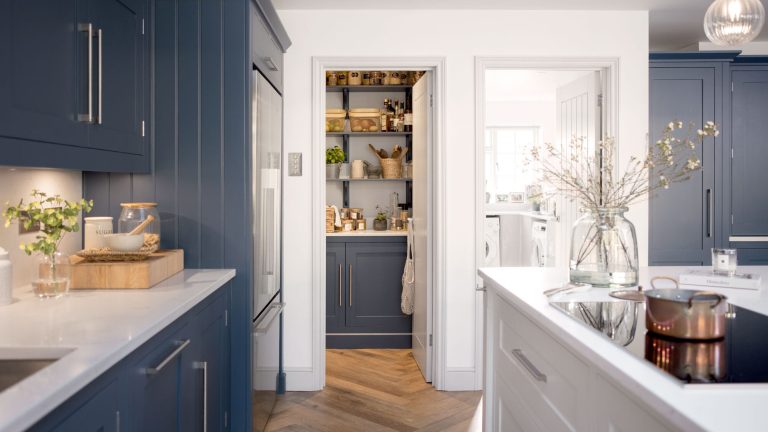
Narrow Walk-In Pantry Ideas for 2026 With Smart Layouts and Designs

If you are searching for narrow walk-in pantry layout ideas and smart designs for 2026, chances are your kitchen is slim but still needs a lot of storage. In a long and tight pantry space, every shelf, cabinet style, and layout choice really matters. These details affect how easy it is to cook, clean, and host guests.
In this guide, I will share practical design ideas that work well for all types of narrow walk-in pantry sizes. This includes very small pantries that fit under stairs and long butler-style pantries with an appliance counter, fridge, or even a sink. I will explain how I think about organization, doors, cabinets, countertops, and even where a window, microwave, or freezer should go. The goal is to make the pantry feel calm and useful instead of tight and crowded.
By the time you finish reading, you will know which narrow walk-in pantry design suits your home best. You will also learn how to plan a layout that fits your daily habits and which shelving ideas and measurements help the space stay useful for years. I will point out when custom cabinets or smart Ikea-style hacks are worth the money and where simple budget-friendly options work just fine.
1. Narrow Walk-In Pantry Ideas for 2026 That Work in Slim Kitchens
When I plan narrow walk-in pantry designs for 2026, I focus on clean looks that also work well every day. In narrow spaces, I like to keep the main walkway open and use full-height shelving on one or both sides, depending on the pantry width. The goal is to create a neat storage path that feels like part of the kitchen, not an afterthought. I also think carefully about the pantry door because a glass door, barn door, or simple painted door can change how the space feels.

For the layout itself, I usually add shallow shelves along the long walls for jars and cans. Lower cabinets are deeper so they can hold bulk food. I also like adding a small countertop section for appliances. This might hold a microwave, coffee setup, or even a slim wine rack so the kitchen counters stay clear. Soft-close doors, simple hardware, and light neutral colors keep everything looking fresh. LED strip lighting under shelves and near the ceiling makes a narrow pantry feel taller and helps you see everything clearly.
narrow pantry designs that age well focus more on function than decoration. Many designers featured in magazines like Architectural Digest and House Beautiful talk about keeping pantries visually quiet, especially in open kitchens. I agree with this idea. I often repeat the same kitchen finishes, such as countertop material, cabinet color, or tile, so the pantry feels planned and not random.
In this part, I would add more focus on personal habits. For example, someone who bakes often may need a baking zone with labeled containers. Someone who loves hosting may prefer a wine fridge or extra storage for serving boards. These small choices make the pantry feel custom instead of generic.
2. How to Plan the Perfect Narrow Walk-In Pantry Layout
When I start planning a narrow walk-in pantry from scratch, I begin with walking space and movement. I aim for at least 36 inches of clear walking space between shelves. If the pantry is very narrow, I may add shelves on only one side and use the other wall for hooks, trays, or notes. I also think carefully about door placement and whether a swing door, pocket door, or barn door will work best.

Once the basic layout is clear, I divide the pantry into zones. Items used every day go at eye level. Heavy items stay low. Things used less often go higher up. If space allows, I add a small appliance counter with outlets placed at the right height. I also plan details like pull-out drawers, adjustable shelves, and tall storage for bottles and oils.
I always recommend drawing the layout to scale, even with simple graph paper. I measure the pantry and sketch where each shelf, cabinet, fridge, or freezer could go. Some planners from stores like Ikea help visualize shelf depth, door swing, and appliance space. I also suggest marking the layout on the floor with tape so you can test how it feels to walk inside.
Here, I would include a simple planning checklist. Start with measuring the room. Then choose the door type. Next, decide where appliances will go. Finally, add shelves and storage extras. I also suggest listing kitchen pain points so the new pantry solves real problems.
3. Long Narrow Walk-In Pantry Ideas for Galley Kitchens
When I design a long and narrow walk-in pantry next to a galley kitchen, I treat it like a second prep area. The long shape becomes an advantage. It allows for a butler-style setup with continuous shelves and an appliance counter. I keep the design simple with even shelf heights and a clear path from one end to the other. Good lighting is very important in long spaces, so I use both ceiling lights and built-in shelf lighting.

In these galley-style pantries, I often install full-height cabinets on one side. These hold tall items, cleaning tools, or even a built-in fridge or freezer. On the opposite wall, I add base cabinets with a countertop and open shelves above. This area works well for coffee stations, small appliances, and food prep. If there is a window, I avoid blocking it with shelves so natural light can brighten the whole space.
A long pantry works best when it matches how you cook. I like placing items in the order they are used. Baking supplies near the mixer. Snacks near the entry. Serving dishes closer to the dining area. Many designers featured in Real Simple recommend treating long storage areas like task paths, and I have seen how this makes cooking easier.
To improve this section, I would include tips for pantries with a window at the end, especially when placing a fridge nearby. I would also suggest using wall space near the door for hooks, spice racks, or boards so no space goes to waste.
4. Small and Very Narrow Walk-In Pantry Ideas That Feel Spacious
When I work with small or very narrow pantries, my main goal is to create height and openness. These pantries may sit under stairs, off kitchens, or inside old closets. I keep the layout simple with shelves on three sides and open space in the center. Light colors, reflective finishes, and bright ceilings help the space feel taller.

In tight pantries, every shelf needs a purpose. I prefer shallow shelves so items stay visible. Baskets help group snacks. Clear containers work well for grains and baking items. Hooks behind the door can hold aprons or bags. Slim pull-out units can store spices or bottles. If there is room, a small counter can hold one appliance, but I avoid overcrowding. Adjustable shelves and Ikea-style inserts make a big difference.
Small pantries are where good organization really shows. I often suggest labeled containers, lazy Susan trays, and tiered can risers. Designers featured in Better Homes and Gardens often talk about using vertical space, and I agree. I bring shelves close to the ceiling and use the top shelves for items used less often.
Here, I would add advice on decluttering before planning. Removing duplicates and bulky packaging helps a lot. I would also suggest measuring real containers and appliances so shelf depth fits actual items.
5. Important Narrow Walk-In Pantry Sizes and Measurements
When planning narrow walk-in pantry layouts, measurements are very important. I aim for at least 36 inches of walking space. With shelves on both sides, this usually means a total width of about 60 to 64 inches. If space is tight, I reduce shelf depth on one side. Height matters too, so I run shelves close to the ceiling.

For shelf depth, I follow simple guidelines. Dry goods shelves work best at 10 to 12 inches deep. Larger items need 14 to 16 inches. Deep base cabinets for bulk storage can be 20 to 24 inches. Door width also matters so doors do not hit shelves or appliances. If adding a fridge or freezer, I make sure doors open fully without blocking the walkway. Countertops are usually about 36 inches high. Upper shelves often start around 54 to 60 inches.
Taking real measurements before buying cabinets saves a lot of stress. I measure cereal boxes, platters, and appliances like blenders or microwaves to make sure they fit. Many kitchen experts suggest leaving extra space around appliances for airflow and easy use, and I follow this advice closely.
I would add a printable measurement checklist here. It should include room size, door swing, ceiling height, shelf depth, and appliance sizes. I also suggest testing layouts with boxes or temporary shelves before installing permanent units.
6. Narrow Walk-In Pantry Designs That Match the Kitchen
When a narrow walk-in pantry sits right off the kitchen, I want it to feel like part of the same space. I often repeat cabinet styles, countertop materials, and hardware finishes. Modern kitchens pair well with flat doors and simple lines. Traditional kitchens work nicely with shaker doors or warm wood details.

Inside the pantry, I repeat key kitchen features while keeping storage practical. If the kitchen uses quartz, I may use the same or a similar quartz in the pantry. Matching cabinet colors or flooring helps keep everything connected. Extending backsplash tile or paint color into the pantry also creates flow. A glass pantry door can show this connection and make the pantry feel like part of the design.
Matching pantries often help resale value because the kitchen looks complete. Designers featured in Elle Decor often show how consistent finishes improve connected spaces. I have seen how repeating materials can make even a narrow pantry feel more high-end.
For homeowners who cannot match finishes exactly, I suggest neutral shelves, light paint colors, and coordinating countertops. Choosing similar hardware and lighting also helps tie everything together.
7. Converting a Closet Into a Narrow Walk-In Pantry
When I turn a spare closet into a narrow pantry, I start by checking the size and door type. Many hallway closets are long and shallow, which works well for pantry storage. I often replace hinged or bifold doors with sliding or barn doors for easier access. Lighting is usually poor, so I add ceiling lights or LED strips.

Inside the closet, I remove rods and install full-height shelves. I mix shelf depths so shallow shelves sit higher and deeper ones stay low. If space allows, I add a small countertop with an outlet for appliances. Baskets and clear bins help turn the closet into an organized pantry where every item has a spot.
These closet conversions add a lot of storage with minimal work. I often suggest checking coat closets, utility closets, or spaces near stairs. Many home improvement experts say repurposing closets boosts storage without changing the home layout, and I have seen this work well.
Here, I would also add advice on ventilation and moisture, especially for closets on exterior walls. I would include tips for planning future fridge or freezer placement nearby so cold storage supports the pantry without overcrowding it.
8. Narrow Walk-In Pantry Ideas for 2026 With Practical Style
When I plan narrow walk-in pantry ideas for 2026, I aim for clean style and everyday usability. I keep the walkway open and use full-height shelves based on pantry width. The goal is a calm storage path that feels connected to the kitchen. I also think about door choice because glass, barn, or simple painted doors change the feel.

For storage, I use shallow shelves for jars, deeper cabinets for bulk items, and a small appliance counter. Hidden microwaves, coffee stations, and slim wine racks help keep kitchen counters clear. Soft-close doors, simple hardware, and light colors keep the pantry feeling open. LED strip lighting makes the pantry look taller and improves visibility.
pantries that age well stay simple and focus on function. Designers from Architectural Digest and House Beautiful often mention that pantries should stay visually quiet, especially in open homes. I agree and often repeat kitchen finishes so the pantry feels planned.
To improve this section, I would again highlight personal habits. Bakers may need a dedicated baking area. Hosts may want a wine fridge or extra serving storage. These small choices make the pantry feel personal instead of standard.
9. How to Plan the Perfect Narrow Walk-In Pantry from Scratch
When I plan a narrow walk-in pantry from the ground up, my first focus is always on traffic flow and space around shelves. To make sure the walkway is comfortable, I aim for at least 36 inches of clear space between rows of shelving, even in long corridor-style pantries.

If the pantry is really narrow, I sometimes only put shelves on one wall and use the other wall for shallow hooks, a message board, or storage for tall trays. I also spend time thinking about the door—whether a hinged, pocket, or barn door works best for making the pantry easy to use.
Once I have the basic structure, I like to divide the pantry into zones based on how often items are used. Everyday snacks and foods go at eye level. Heavy bulk items stay on lower shelves, and items we rarely use, like serving dishes, go on the upper shelves.
If the layout allows, I include a small countertop for appliances like a toaster, mixer, or coffee machine. I make sure the outlets are at the right height. I also plan details like pull-out drawers, adjustable shelves, and maybe a special cabinet for tall bottles and oils.
I’ve found that drawing the pantry layout to scale makes a big difference. I take real measurements and sketch where each cabinet, fridge, or freezer can go before making final decisions. Many stores, including [YOUR Vibely Decor, have simple online planners that show shelf depth, door swings, and appliance clearance. I also suggest using tape on the floor to test how it feels to walk and move around before building anything.
I also recommend a step-by-step checklist: start by measuring the space, then pick a door style, plan appliance placement, and finally layer shelves and accessories. Keeping a running list of messy or cluttered spots in your kitchen helps solve those problems in your new pantry layout.
10. Long Narrow Pantry Ideas for Galley and Corridor Kitchens
When working with a long narrow pantry next to a galley or corridor kitchen, I treat it like an extra prep zone. The long space is perfect for continuous shelving and a countertop for appliances, supporting the main kitchen. I keep the design simple, with uniform shelf heights and a clear path from the kitchen entry to the far end. Good lighting is important, so I layer overhead lights with vertical lights on shelves.
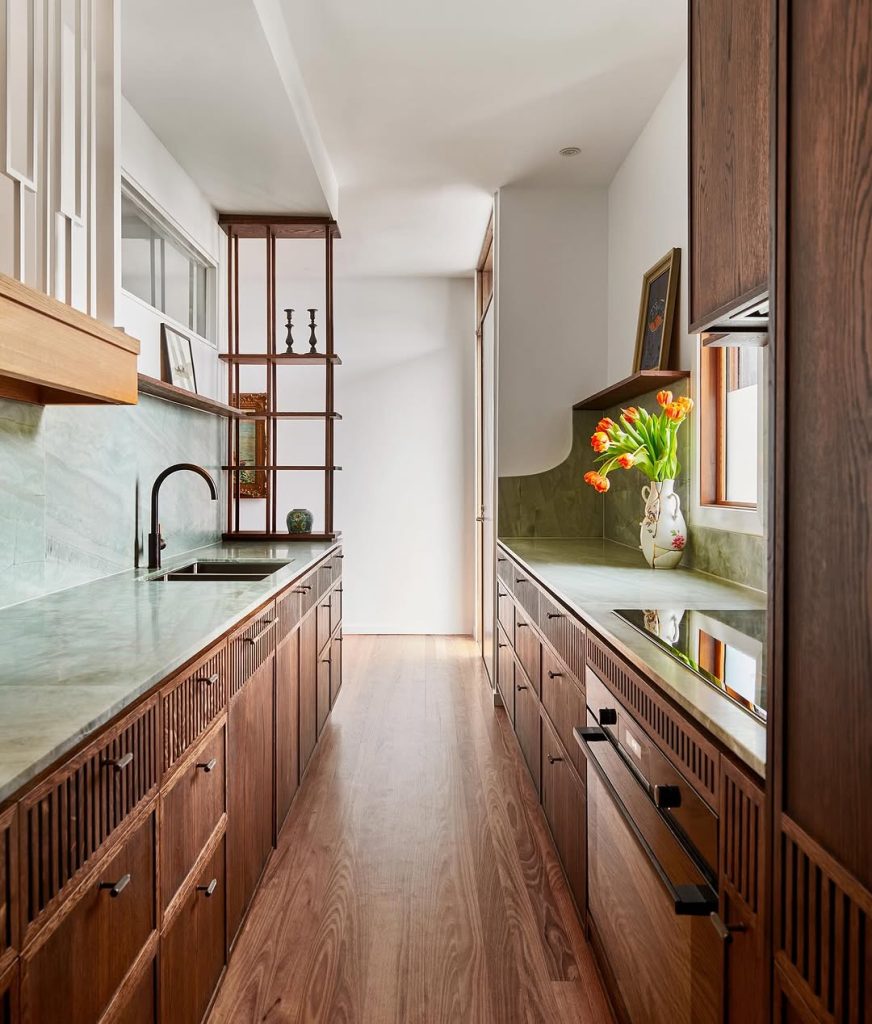
In these galley-style pantries, I usually place full-height cabinets on one side for tall pantry items and broom storage. Sometimes, I include a built-in fridge or a fridge-freezer combo. On the opposite wall, I might add base cabinets with a countertop and open shelves above. This becomes a spot for dry goods, small appliances, or a coffee and breakfast station. If there’s a window, I keep shelves away from it so natural light fills the pantry.
A long corridor pantry works best when it fits how you cook. I place items in order of use—like baking ingredients near the mixer, snacks near the entry, and serving dishes at the far end near the dining area. I often suggest suggest treating long storage spaces as “runways” for tasks rather than random piles. I’ve seen that make cooking less stressful.
To improve this, consider placing a fridge near a window carefully, as it may add heat. Use walls near the pantry entrance for hooks, shallow spice racks, or chalkboards so even the first few feet are functional without crowding shelves.
11. Small Narrow Pantry Ideas That Still Feel Spacious
For tiny narrow pantries, I focus on making the space feel tall and open, not long. These may be under stairs, off the kitchen, or converted from small closets. I often place shelves on three walls, leaving the floor open. Light colors, reflective tiles, or bright paint with a light ceiling make the room look taller and less cramped.

In small spaces, every shelf counts. I use shallow shelves so items don’t get lost, baskets to group snacks, and clear containers for grains and baking supplies. Hooks behind the door hold aprons or lightweight items, and slim pull-out racks can store spices or bottles. If space allows, a short countertop can hold a small appliance, but I avoid overcrowding. Adjustable shelves and inserts from [YOUR Vibely Decor help maximize compact spaces.
Small pantries really show how good organization can be. I encourage labeled containers, corner lazy Susans, and tiered can risers so everything is visible. Interior designers often stress vertical space in tiny pantries, and I agree. I use the top shelves for items rarely used.
Before planning, declutter first—remove duplicates and bulky packaging. Measure containers and appliances to make sure shelves fit real items, not guesses.
12. Important Pantry Measurements to Know
When planning a narrow pantry, some measurements are key. I aim for at least 36 inches of walking space. If shelving is on both sides, the total width usually needs to be 60–64 inches. If the pantry is extra narrow, I might reduce the depth of shelves on one side to keep walking space. I run shelving from just above the countertop to the ceiling.

Shelf depth depends on the items: 10–12 inches for cans and dry goods, 14–16 inches for larger items or small appliances, and 20–24 inches for bulk items. I also check door widths to make sure they don’t hit shelves or appliances. Fridges or tall cabinets need enough space to open fully. Standard countertop height is around 36 inches, and upper shelves start 54–60 inches high.
Measuring real items like cereal boxes, platters, and small appliances before buying cabinets saves frustration. I leave extra space around appliances for ventilation and ease of use.
A simple checklist is helpful: note room dimensions, door swing, ceiling height, shelf depths, and appliance sizes. Testing pantry space with cardboard boxes or temporary shelves helps make sure everything fits before installing built-ins.
13. Matching Your Pantry Design to Your Kitchen
I like the pantry to feel like a natural extension of the kitchen. I repeat the same cabinet style, countertop, and hardware finish so the transition feels smooth. For contemporary kitchens, I use clean lines and minimal details. For traditional kitchens, I might add shaker fronts, simple crown details, or warm wood accents.

Inside, I echo kitchen elements while keeping it functional. A small appliance counter may use the same quartz as the kitchen, or pantry cabinets may match the kitchen color. Using the same backsplash, flooring, or paint helps the pantry feel connected. A glass door can show this continuity.
Matching finishes in connected spaces can boost resale value. Even a narrow pantry can feel luxurious with repeated cabinet styles, thoughtful lighting, and smart organization.
For those who can’t match finishes completely, use neutral shelves, simple paint, and coordinating countertops. Choose hardware and lighting that mimic the kitchen style to tie the spaces together.
14. Turning a Closet into a Narrow Walk-In Pantry
To convert a closet, I start by checking its size and door. Long, shallow closets can work perfectly if organized well. I consider changing hinged or bifold doors to sliding or barn doors. Lighting is often poor, so I add LED or new fixtures to brighten the space.

Inside, I remove old rods and add full-height shelving on the back and sides. I use shallow shelves at the top and deep shelves at the bottom for bulk items. If space allows, I add a short countertop for appliances with an outlet. Baskets, pull-out bins, and clear containers help turn a closet into a fully organized pantry.
Closet conversions offer huge storage value with minimal work. Underused coat closets, utility closets, or spaces under stairs can become pantries. Design experts often recommend repurposing closets to add storage without changing the home footprint.
When converting a closet, plan for ventilation, moisture, and possibly a nearby fridge or freezer to complement the pantry.
15. Cabinets vs Open Shelving in a Narrow Pantry
The first big choice is between closed cabinets, open shelves, or both. The wrong choice can make the pantry feel cramped, while the right balance keeps it airy and practical. I like full-height open shelves on one wall and base cabinets with a countertop on the other. This allows both display storage and hidden storage.

Open shelves are usually 20–30 cm deep so nothing gets lost. I use them for dry goods, snacks, and clear jars. Cabinets hide bulk items, appliances, or unattractive packaging. A narrow countertop above the cabinets is perfect for a toaster, microwave, or coffee machine. This turns the pantry into a functional secondary kitchen.
Clients love mixing cabinets and open shelves. Open shelves make ingredients easy to find, while cabinets reduce visual clutter. This combination makes the pantry feel like a compact but functional butler’s pantry rather than a storage tunnel.
I also recommend selecting cabinet doors carefully. Matte fronts, integrated handles, and light colors make the pantry feel bigger. Using the same cabinet style as the kitchen helps with flow, while still keeping the pantry a separate workspace.
16. Smart narrow walk in pantry setup ideas for neat and tidy shelves
When I plan a narrow walk in pantry, I never treat the shelves like one long dumping zone. I always see them as small zones with clear jobs. This matters even more in a narrow walk in pantry with a window or a long interior pantry with low light. Mess shows fast and makes the space feel tighter. I start by creating a clear layout that breaks shelves into areas for baking items, breakfast food, snacks, canned goods, and extra stock. This gives the pantry a clean look and makes it easy to keep organized.

On every shelf, I mix matching containers, labeled baskets, and tiered risers so nothing gets lost in the back. Deep bottom shelves work best with lidded bins for bulk food or kids snacks. Middle shelves are perfect for clear jars and can risers so labels stay easy to read. The top shelves in a narrow walk in pantry layout are best for backup items and rarely used appliances stored in labeled boxes. I also like adding a slim countertop or small appliance ledge, even if it’s short. It gives you a spot to unload groceries and pour items into jars, which stops clutter from piling up on the floor.
From my own work, I’ve learned that a simple and repeatable system is the real key to a clutter free narrow walk in pantry. I follow advice from professionals who say not to use too many container styles and to stick to one color theme for bins and labels. When I open pantry doors and see rows of similar baskets, clear jars, and a clean path down the center, I know the pantry will stay neat even in a busy home. This kind of setup makes the pantry feel calm instead of chaotic.
I would expand this section by adding a clear step by step guide for setting up a narrow walk in pantry from scratch. I want to include a checklist that covers measuring shelves, choosing categories based on daily habits, and picking the right mix of bins, lazy susans, and risers so everything fits your exact space instead of using one size fits all solutions.
17. Space-saving door solutions for a narrow walk in pantry
When designing a walk in pantry, the door choice can completely change how the space works. A standard swinging door often eats up valuable floor space and can hit shelves, especially in very narrow walk in pantry dimensions where every bit counts. I always look for door options that slide, fold, or tuck away so the pantry feels open and connected to the kitchen instead of boxed in.
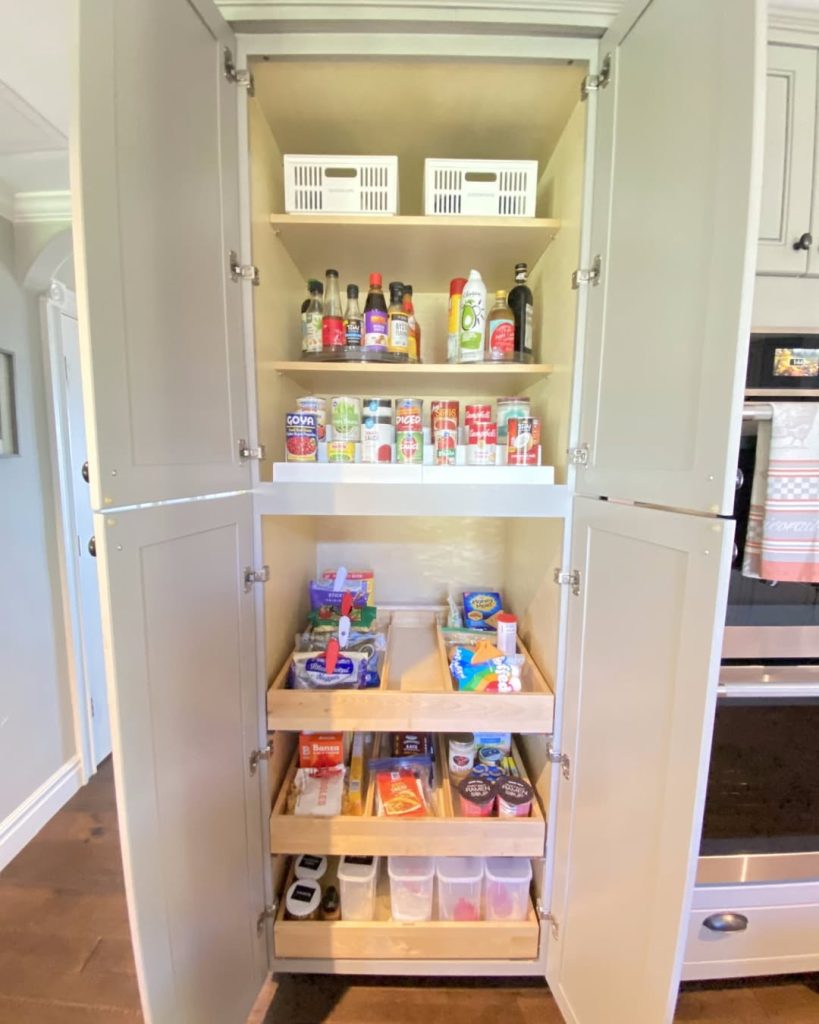
One of my favorite options is a pocket door that slides into the wall and opens the full pantry when needed. A slim bifold door is another good option since it folds back on itself and saves room. For dark spaces, I often suggest a glass panel door to pull light into a narrow walk in pantry with no window. Frosted glass is a great choice if you want light but prefer to hide visual clutter. In modern kitchens, I sometimes use a full height panel that blends in with the cabinets. When closed, the pantry almost disappears.
In my experience, door planning is often ignored when people search for narrow walk in pantry layout ideas. Designers and US magazines often remind homeowners to think about door swing and clearance early, especially when adding appliances like a fridge or freezer. I have worked on projects where switching to a sliding or hidden door instantly improved movement and made both the kitchen and pantry feel larger.
I would also add more detail here about hardware choices for narrow walk in pantry doors. This includes soft close tracks for sliding doors and slim handles that don’t stick out into tight walkways. I also want to explain how matching door hardware finishes with kitchen fixtures helps the pantry feel intentional instead of an afterthought.
18. Barn door ideas to add style to a narrow walk in pantry entrance
When homeowners want their narrow walk in pantry entrance to stand out, I often suggest a barn door. A surface mounted barn door slides along the wall, saves floor space, and adds character, especially in long and narrow kitchens. In 2026, I see trends moving toward clean shaker style barn doors or flat slab designs with simple hardware, which feel more modern than rustic.

I always choose a barn door style that matches the kitchen cabinets so the pantry feels like part of the overall design. This could be a painted shaker door in the same color as the cabinets or a natural wood finish to warm up a white or gray kitchen. The track hardware usually matches other finishes like faucets and handles. Inside the pantry, I align the shelving and layout with the door opening so when the door slides open, you get a clear view of shelves, counters, or the appliance area.
a barn door works best in a narrow walk in pantry when there is enough wall space for the door to fully slide open without hitting switches or decor. Design magazines often show barn doors as a way to soften long spaces, and I agree. When done right, a barn door doesn’t feel like a compromise. It feels like a design feature.
I would expand this section by covering how to measure for a barn door in a narrow walk in pantry. This includes door width, track length, and clearance for baseboards and light switches. I also want to touch on sound and light control, such as when to add soft close systems, bottom guides, or seals so the pantry feels contained instead of noisy.
19. Narrow walk in pantry under stairs ideas that use every inch
Designing a narrow walk in pantry under stairs is one of my favorite challenges. It turns awkward and unused space into valuable storage. Sloped ceilings and uneven walls can feel tricky at first, but with a smart layout and custom shelving, this pantry can work just as well as a standard one. I always start by marking the highest and lowest ceiling points and planning where someone can comfortably stand and move.
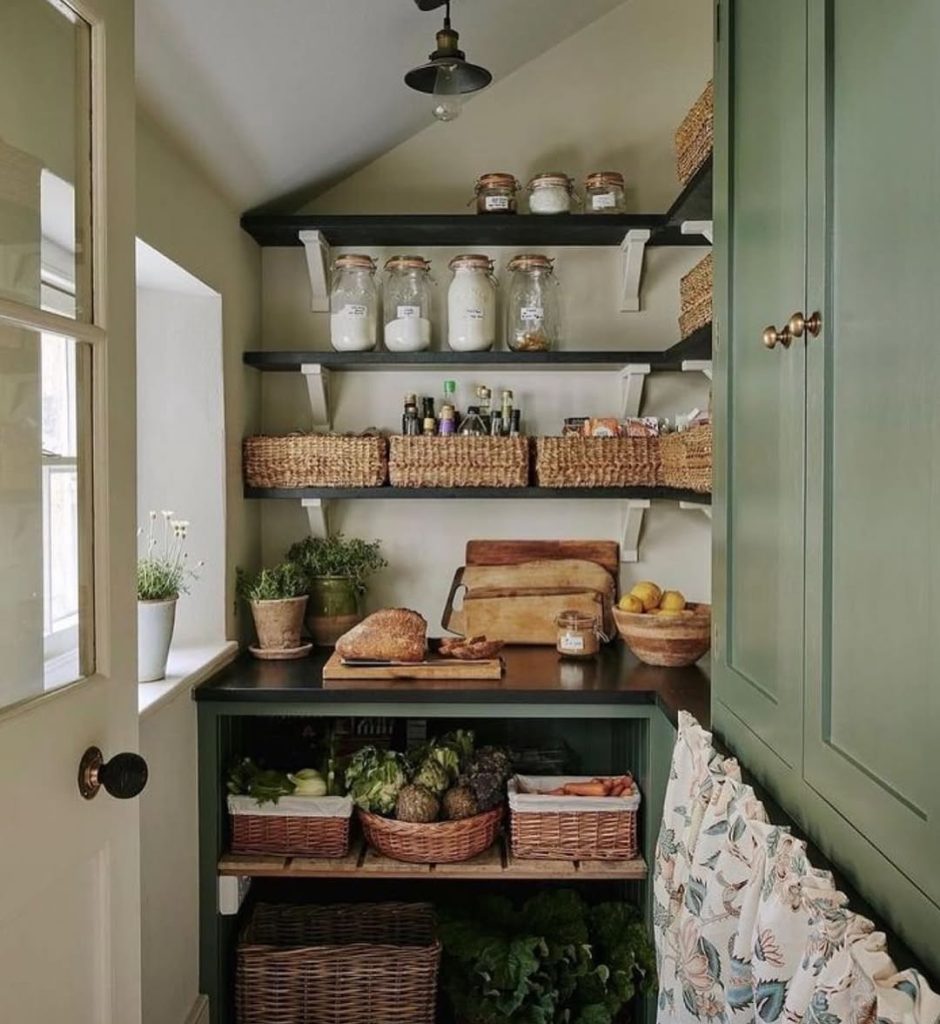
In most under stairs pantries, I place full height shelves or cabinets at the tallest end. Shorter shelves and closed storage work best where the ceiling slopes down. Deep base cabinets under the lowest part are perfect for large appliances, seasonal items, or even freezer drawers in a narrow walk in pantry. Above them, I add stepped shelving that follows the stair angle. This looks interesting and keeps items visible. If ceiling height allows, I sometimes add a small countertop in the center to create a mini butler style pantry with space for a microwave or coffee machine.
the key to a successful under stairs pantry is careful measuring and using custom or modular parts that respect odd shapes. Many designers suggest using cardboard templates to test shelf heights and clearances in sloped areas, and I find this method very helpful. When the layout is right, the pantry feels smart and intentional, not like a leftover space.
I would also add ideas here for lighting an under stairs narrow walk in pantry. Options include recessed ceiling lights, LED strips under shelves, or a glass pantry door. I want to explain how good lighting and reflective finishes can replace natural light and keep the space from feeling dark.
20. Budget-friendly [YOUR Vibely DecorBRAND NAME] narrow walk in pantry hacks and layouts
When someone wants a custom looking narrow walk in pantry but has a tight budget, I often turn to [YOUR Vibely DecorBRAND NAME] components. Their flexible cabinets and shelving systems can fit many narrow pantry sizes, from short closets to long galley layouts. By mixing tall cabinets, drawers, and open frames, I can create a built in look at a much lower cost than full custom work.
![Budget-friendly [YOUR Vibely DecorBRAND NAME] narrow walk in pantry hacks and layouts](https://vibelydecor.com/wp-content/uploads/2026/02/Budget-friendly-YOUR-Vibely-DecorBRAND-NAME-narrow-walk-in-pantry-hacks-and-layouts-819x1024.jpg)
I usually start with tall units or open frames as the main storage. I adjust spacing to suit the exact width and height of the pantry. Inside, I add pull out drawers, wire baskets, and adjustable shelves. For open shelving, wall mounted shelves or rail systems work well and can hold jars, hooks, and baskets. A slim countertop can sit on lower cabinets to create an appliance spot. If space allows, a narrow fridge or freezer can fit beside a tall unit. [YOUR Vibely DecorBRAND NAME] accessories like dividers, lazy susans, and door organizers help use every centimeter.
In my experience, the best [YOUR Vibely DecorBRAND NAME] narrow walk in pantry ideas come from treating the system like building blocks instead of a ready made solution. Many designers recommend upgrading handles, adding filler panels, and painting units for a higher end look. I’ve used these hacks in narrow pantries, and the result often looks far more expensive than it is. The modular setup also makes it easy to change the layout as storage needs grow.
I would add more detail here about measuring [YOUR Vibely DecorBRAND NAME] products correctly, leaving small gaps around tall units, using filler panels, and allowing ventilation for appliances. I also want to include tips for lighting and toe kicks so the pantry truly looks built in.
21. Slim wine storage and drink zones in a narrow walk in pantry
For homeowners who love hosting, I like to include a small drink area inside the narrow walk in pantry. Even in tight spaces, it’s usually possible to fit slim wine racks, a small counter, and maybe a compact fridge or freezer drawer. This turns the pantry into more than food storage and keeps drinks and glassware out of the main kitchen.

I often design a tall, narrow wine rack that runs from floor to ceiling on one wall. Bottles are stored horizontally in slots or modular grids. Next to or below it, I add a short countertop with cabinets or drawers for bar tools, linens, and glasses. If space and plumbing allow, I may include a small undercounter fridge, wine cooler, or even a sink. Open shelves above the counter can hold glassware and decorative bottles for a styled look.
adding even a small wine or drink section makes a narrow walk in pantry feel more thoughtful and upscale. Design magazines often suggest adding special zones like drink stations to boost home value, and I see the same effect in real homes. When I open a pantry and see wine racks and a small counter, it feels personal and intentional.
I would expand this section by covering safety and storage tips for wine. This includes keeping bottles away from sunlight, managing temperature near appliances, and deciding between open racks and closed cabinets based on how often you entertain.
22. Lighting and finishes that visually open up a narrow walk in pantry
In a narrow walk in pantry, lighting and finishes can completely change how the space feels. Lighting is always my top priority, especially in pantries with no windows or long corridors. My goal is to remove shadows, make shelves easy to see, and turn the pantry into a comfortable working space instead of a dark closet.
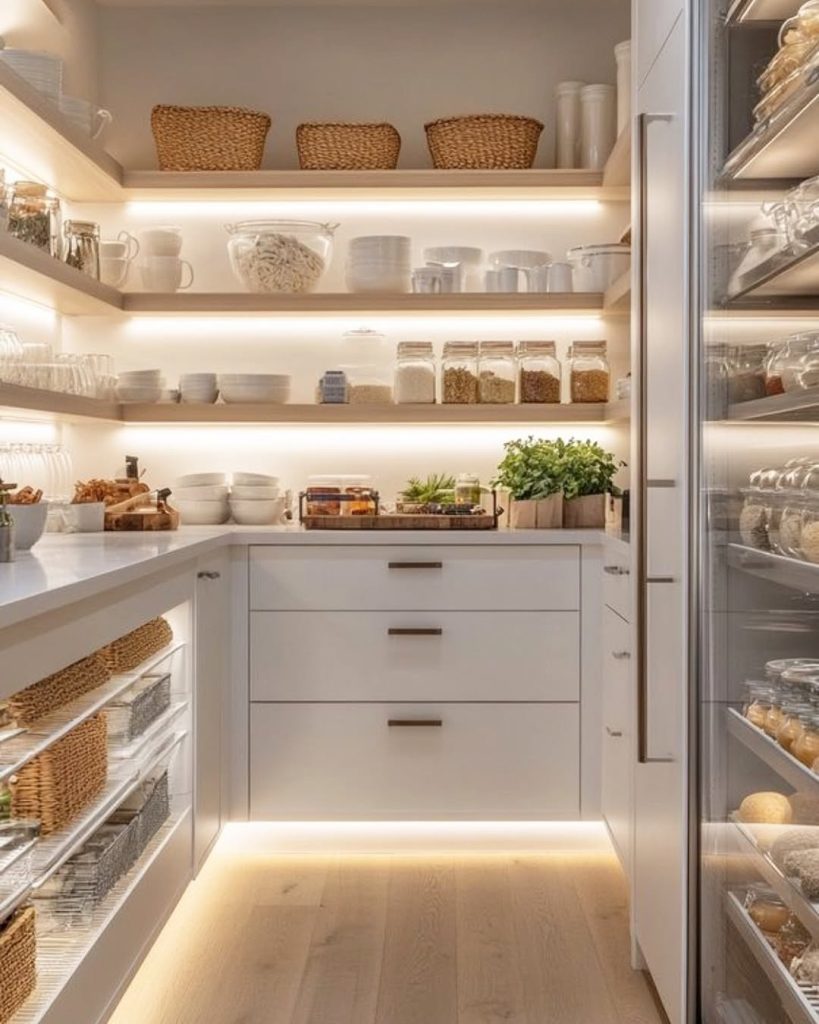
I usually use a mix of recessed ceiling lights and flicker free LED strips under or along shelves. Warm neutral light makes food look good and keeps labels readable. For finishes, I stick to light colors and soft textures. Pale walls and shelves, matte or satin surfaces, and light stone or composite counters reflect light gently. Cabinet fronts in white, light gray, or pale wood help widen the space. Dark tones are kept to small details like hardware or rails.
upgrading lighting is one of the fastest ways to improve a narrow walk in pantry.From my work stress the importance of layered lighting, even in small utility spaces. I’ve seen pantries completely transformed just by adding shelf lighting and repainting with lighter colors.
I would also add ideas for smart lighting like motion sensors that turn lights on when the door opens and dimmers to adjust brightness. I want to mention using reflective items like glass jars, metal baskets, or glossy tile in small amounts to boost brightness without overwhelming the space.
23. Real home narrow walk in pantry layout ideas for 2026
When I review real home pantry projects from 2026, success always starts with accurate measurements and understanding how the family actually cooks. I measure the full length and width and check how doors, windows, and stairs affect movement. I then plan a simple and logical layout. Some pantries are long and narrow with shelves on both sides. Others are short with storage on one wall. I always place daily items near the entrance and bulk storage at the back so nothing gets buried.
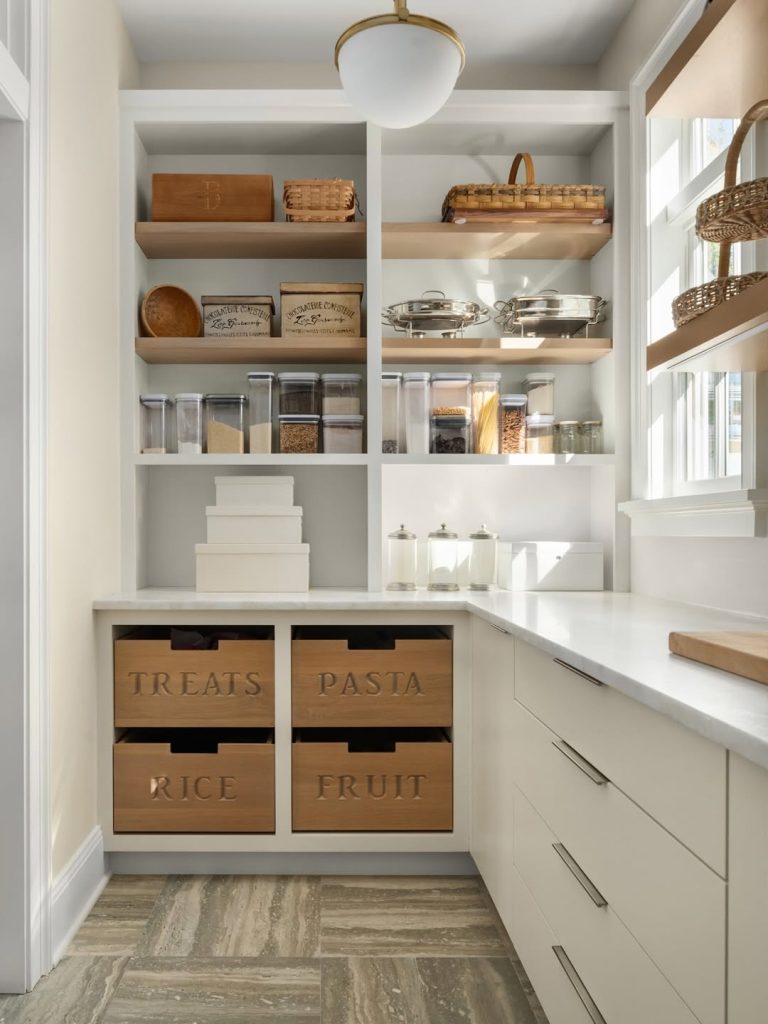
In real projects, I often mix several ideas into one design. For example, open shelves on one side for quick grab items and base cabinets with a counter on the other. A window at the end adds light. In slightly wider pantries, I may place a fridge or freezer at the back, recessed to keep walkways clear. I balance tall cabinets with open sections so the pantry feels like part of the home, not a wall of doors.
the most inspiring narrow walk in pantry layouts are not the biggest ones. They are compact but extremely well planned. I’ve worked on designs where one wall holds daily groceries and snacks, while the other becomes a mini butler pantry with a sink, microwave, and wine racks. Designers often showcase these hybrid layouts because they fit so much function into small spaces. When I apply these ideas, I always test the flow from kitchen to pantry to make sure doors, including barn doors, never disrupt daily movement.